In the evolving landscape of manufacturing, efficiency is essential. One of the most critical components in a factory's workflow is the cargo lift system. This system supports the movement of materials between different levels of a facility. But how does a cargo lift system work in factories?
Understanding the mechanics behind these systems reveals their role in optimizing operations. Cargo lifts not only save time but also enhance workplace safety. Employees can focus on their tasks instead of struggling with heavy loads. However, issues can arise if these systems are not maintained properly. Regular inspections and timely repairs are crucial for reliability.
Each factory may have unique requirements that influence the choice of a cargo lift system. Factors like load capacity, speed, and space constraints must be considered. Mistakes in selecting the right system can lead to inefficiencies. It's a reminder that understanding the inner workings of cargo lifts can empower factories to maximize their potential.
Understanding Cargo Lift Systems: Definition and Purpose
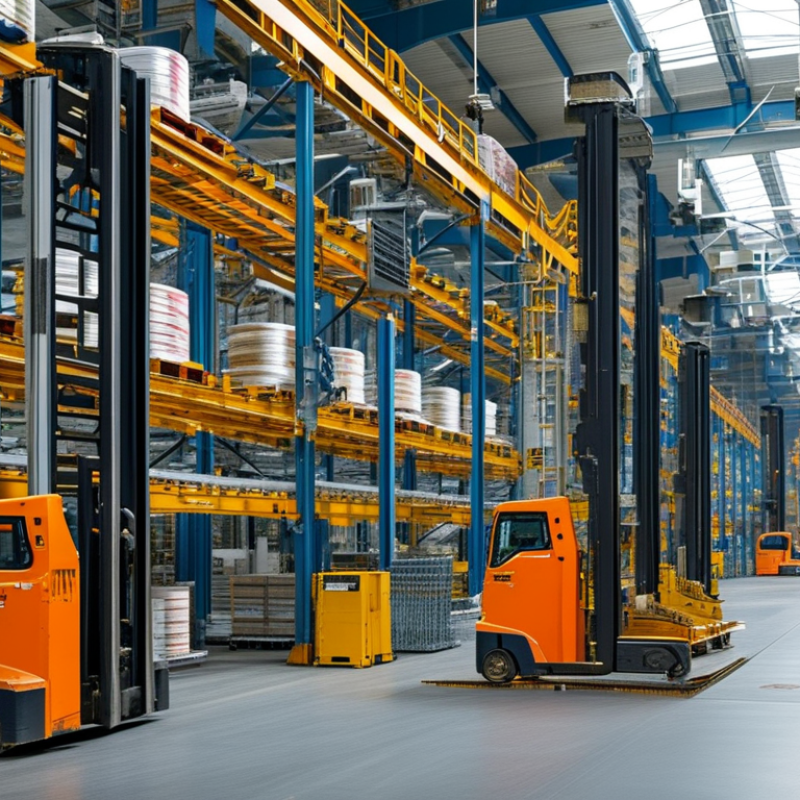
Cargo lift systems play a crucial role in modern factories. Their primary purpose is to transport goods between different levels of a facility efficiently. These systems streamline operations, reduce manual handling, and significantly improve productivity. According to a report by the Material Handling Industry of America, effective cargo lift systems can boost overall operational efficiency by up to 40%.
Understanding the mechanisms of cargo lifts reveals their complexity. Generally, these systems incorporate hydraulics, pulleys, and advanced controls to facilitate movement. They can handle heavy loads, sometimes exceeding 5,000 pounds. Safety features are integral, yet issues can arise, such as mechanical failures or power outages. Regular maintenance is essential to prevent these problems from disrupting operations.
Despite their benefits, businesses often overlook proper training for personnel. Poor usage can lead to accidents or damage, compromising the system's effectiveness. Operators should understand the limitations of each cargo lift. The balance between automation and human oversight remains delicate. Companies must navigate this to optimize performance while ensuring safety and reliability.
Types of Cargo Lift Systems Used in Factories
Factories rely on various cargo lift systems to enhance their operations. These systems vary in design and functionality, catering to different needs. One common type is the hydraulic cargo lift. This type uses fluid power to lift goods. It is highly efficient and ideal for heavy loads. However, maintenance can be tricky. Operators must regularly check for leaks to ensure safety.
Another popular option is the pneumatic cargo lift, which uses air pressure. It is excellent for transporting lighter items quickly. The simplicity of this system can be a double-edged sword. While it's easy to operate, it may not be suitable for all situations. Environmental factors like humidity can affect performance.
Electric cargo lifts are also prevalent in factories. They provide a smooth and reliable way to move products. However, they require a stable power supply, which can be a limitation. Operators should be trained properly to avoid mishaps. Ultimately, selecting the right cargo lift system depends on the specific needs of the factory. Careful consideration is essential for optimal performance.
Mechanisms of Operation: How Cargo Lifts Work
Cargo lifts are crucial in factories, providing efficient vertical transportation of goods. They usually operate through hydraulic or electric systems, ensuring a smooth ascent and descent. The hydraulic system relies on fluid pressure to lift heavy loads. This mechanism is robust but requires regular maintenance to prevent leaks.
Electric cargo lifts utilize motors and pulleys for operation. These systems offer faster movement but might consume more energy. Both mechanisms have their pros and cons. Users should be mindful of the weight limits and regular safety checks.
**Tips**: When using cargo lifts, always prioritize safety. Ensure operators are trained properly. Regularly inspect mechanisms for wear and tear.
Additionally, consider your factory's specific needs. Evaluate whether a hydraulic or electric system suits your operation best. This thoughtful decision can enhance productivity and safety in your workplace.
2026 Best Cargo Lift System - Mechanisms of Operation: How Cargo Lifts Work
| Cargo Lift Type |
Load Capacity (kgs) |
Max Height (m) |
Power Source |
Operating Mechanism |
| Hydraulic Lift |
2000 |
6 |
Hydraulic |
Hydraulic cylinder and fluid pressure |
| Electric Hoist |
1500 |
8 |
Electric |
Electric motor with chain drive |
| Pneumatic Lift |
1000 |
4 |
Compressed Air |
Air pressure pushes lift |
| Scissor Lift |
1800 |
10 |
Electric or Hydraulic |
Scissor mechanism for height adjustment |
| Freight Elevator |
3000 |
12 |
Electric |
Cable-driven elevator system |
Safety Features and Regulations for Cargo Lift Systems
Cargo lift systems are essential in modern factories, facilitating the movement of heavy goods.
Safety features are critical for ensuring smooth operations and protecting workers.
One key safety feature includes overload sensors. These devices prevent the lift from operating if the weight exceeds its capacity.
This feature is vital in avoiding mechanical failures and accidents.
Another important aspect is the emergency stop mechanism.
It allows for immediate cessation of lift movement in case of an unexpected event.
Regular maintenance checks should be done to ensure that this feature functions correctly.
Without it, minor issues could escalate into major hazards. Additionally, proper training for workers is crucial.
They must know how to operate the lifts safely and respond to any emergencies.
Regulations also play a significant role.
Factories must comply with local safety standards to ensure effective operation.
Adhering to these regulations often requires continuous improvement and monitoring.
There are instances when factories might overlook key safety measures due to cost-cutting.
This can result in serious consequences.
Therefore, a robust safety culture is necessary to protect both equipment and personnel in the long run.
Benefits of Implementing Cargo Lifts in Manufacturing Environments
The implementation of cargo lift systems in manufacturing environments offers numerous advantages that enhance efficiency and safety. According to a recent industry report, about 70% of factories experience a productivity increase after integrating these systems. Cargo lifts streamline the movement of materials, reducing manual handling and minimizing the risk of worker injury. This is especially crucial in environments with heavy loads, where ergonomic risks can lead to long-term health issues.
Additionally, cargo lifts conserve valuable floor space. By utilizing vertical transport, factories can better organize their layouts. This not only improves workflow but also increases storage capacity. A study highlighted that over 60% of manufacturing facilities recognize space optimization as a key benefit of cargo lift systems. Investing in such solutions can lead to long-term cost savings and improved operational standards.
**Tip:** Regular maintenance checks are crucial. Ensure your cargo lift is serviced frequently to prevent unexpected downtimes. It’s also wise to train employees on proper usage to reduce risks.
**Tip:** Consider load weight limits carefully. Overloading can lead to malfunction or accidents, impacting productivity rates. Evaluate your needs and choose systems that meet your operational demands.
Conclusion
Cargo lift systems play a crucial role in enhancing efficiency within manufacturing environments. Understanding how does a cargo lift system work in factories involves recognizing its definition and purpose, as well as the various types employed, such as hydraulic and electric lifts. These systems operate through mechanisms that facilitate the vertical transportation of goods, ensuring smooth workflow and safety.
Furthermore, cargo lifts are equipped with essential safety features and comply with regulations to protect both workers and materials. The implementation of such systems yields numerous benefits, including increased productivity, improved space utilization, and reduced manual labor. By streamlining operations, cargo lifts significantly contribute to the overall effectiveness of factory processes.

 Progan Lift