What Causes Hydraulic Lift Failure and How to Prevent It?

Time:2026-06-01 Author:Amelia
0%

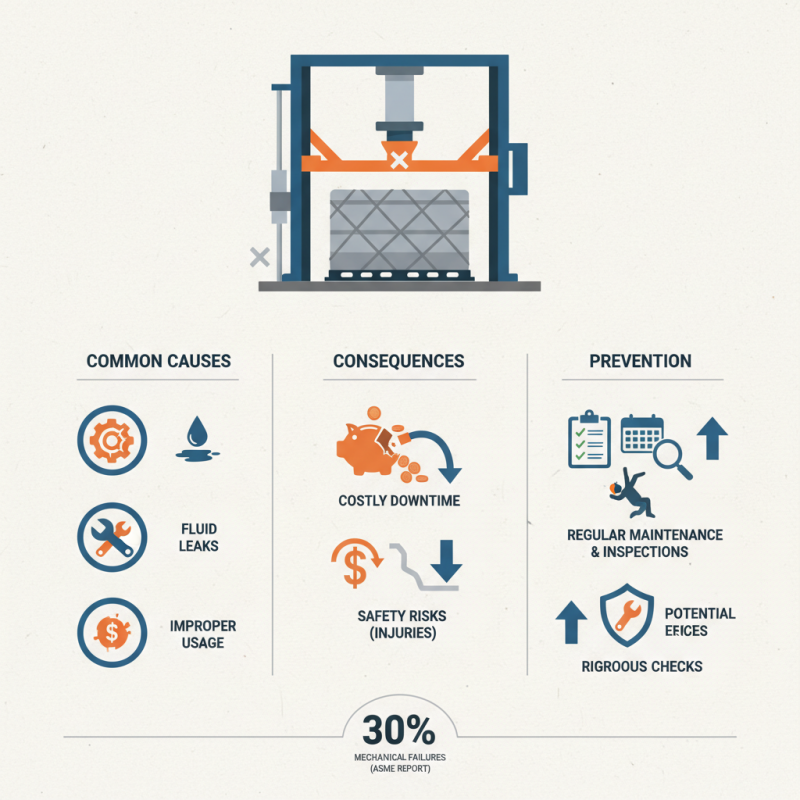
Hydraulic lifts are essential in various industries, offering crucial support for heavy loads. However, understanding what causes hydraulic lift failure is vital for maintaining safety and efficiency. According to a report by the American Society of Mechanical Engineers (ASME), mechanical failures account for nearly 30% of all lift incidents. Regular maintenance and inspections can significantly reduce these risks.

Expert Dan Turner highlights, “Preventative measures are key to avoiding lift failures.” His insights underline the importance of addressing potential issues before they escalate. Common causes of failures include wear and tear, fluid leaks, and improper usage.

Neglecting these factors can result in significant consequences, both in terms of cost and safety. Many businesses underestimate the importance of this issue. Failing to prioritize hydraulic lift maintenance not only endangers workers but can also lead to costly downtime. It's crucial to reflect on these aspects and implement rigorous checks to avoid potential disasters.
What Causes Hydraulic Lift Failure and How to Prevent It?

Causes of Hydraulic Lift Failure: An Overview

Hydraulic lift failure can stem from several causes. Understanding these causes helps to prevent costly downtimes. Common issues include fluid leaks, inadequate maintenance, and component wear. Fluid leaks may occur due to damaged hoses or seals. Regular inspection is crucial to identify these weaknesses early.

Another significant cause is insufficient lubrication, which leads to increased friction and wear. Components, such as pumps and valves, are particularly vulnerable. If they are neglected, their performance deteriorates quickly. Keeping a maintenance schedule can help mitigate these risks.

**Tips:** Always check fluid levels regularly. This simple step can prevent major issues. Invest in quality parts during maintenance. Cheap components may save money upfront but can lead to costly failures later. Tracking the operating conditions is also vital. Temperature and pressure extremes can signal potential failures before they happen. Regular analysis of performance data helps in proactively addressing issues.

Hydraulic Lift Failure Causes and Prevention Strategies

Common Hydraulic Systems and Their Vulnerabilities

Hydraulic systems play a crucial role in various industries, including construction, manufacturing, and aviation. However, they have inherent vulnerabilities that can lead to significant hydraulic lift failures. According to recent industry reports, approximately 30% of hydraulic lift failures occur due to fluid contamination. Contaminants can damage seals and internal components, compromising system integrity.

Another common issue arises from inadequate maintenance practices. Many operators neglect regular inspections, which can result in unnoticed wear and tear. A study indicated that about 25% of hydraulic systems fail because of overlooked maintenance procedures. This highlights the importance of establishing proactive maintenance schedules. Simple tasks, like checking fluid levels and replacing filters, can greatly extend system life.

Tip: Train employees on proper handling and maintenance protocols. Regular training reduces errors and keeps systems running smoothly.

Temperature fluctuations pose additional risks. Hydraulic fluids can degrade when exposed to extreme heat or cold. High temperatures may cause thermal breakdown, while low temperatures can increase fluid viscosity. It's essential to monitor fluid quality and temperature regularly.

Tip: Use temperature sensors to detect and manage overheating. This small investment can prevent costly repairs down the line.

Preventive Maintenance Techniques for Hydraulic Lifts

Hydraulic lifts play a crucial role in various industries. Regular maintenance can prevent failure and enhance safety. Keeping hydraulic lifts in top condition requires specific techniques and ongoing attention.

One essential maintenance tip is to regularly check the fluid levels in the hydraulic system. Low fluid levels can lead to overheating and ultimately to lift failure. Simple checks once a month can catch early signs of trouble. Another key practice is inspecting hoses and fittings for leaks. These small issues can escalate quickly if ignored. A visual inspection every week can help maintain performance.

Consider implementing a daily checklist for operators. This allows them to report any irregularities immediately. Timely responses can prevent major breakdowns. Additionally, ensure that operators are trained to recognize warning signs. This should include unusual noises or slow movements. Training creates a culture of safety and awareness, essential for long-term reliability.

A thoughtful approach to hydraulic lift maintenance will yield dividends. Operators must be diligent. Regular attention can prevent costly repairs and enhance your overall safety standards.

Signs of Potential Hydraulic Lift Malfunction

When operating hydraulic lifts, it's crucial to recognize early signs of potential malfunction. One common indicator is unusual noise. If you hear grinding, hissing, or clanking sounds, these may signal internal issues. Ignoring these sounds can lead to severe equipment failure over time.

Another warning sign is unexpected movements. If the lift hesitates before moving or lowers unexpectedly, it may indicate a hydraulic fluid leak. Leaks reduce pressure and affect performance. Regular inspections for fluid levels can help prevent such issues.

Vibrations during operation can also point to problems. Excessive shaking often results from worn-out components. This could signify that parts require maintenance or replacement. Addressing these signs promptly can ensure a safer experience and prolong the lift's life. Keeping a detailed log of performance can aid in identifying patterns that signal trouble on the horizon.

Emergency Protocols for Hydraulic Lift Failures

In the event of a hydraulic lift failure, having emergency protocols is crucial. Operators should remain calm and follow these steps for safe resolution. Identify the problem quickly. Isolate the power supply to prevent further operation. This step is vital to avoid additional hazards.

There are practical tips to enhance safety. Always keep emergency contact numbers handy. Train staff on emergency procedures regularly. Regular maintenance checks can prevent most failures. Ensure that all operators know how to manually lower the lift when necessary. This simple knowledge can be a lifesaver in emergencies.

Monitoring for early signs of failure is essential. Listen for unusual noises during operation. Regularly check hydraulic fluid levels. Any discrepancies can indicate underlying issues. Document all inspections thoroughly to track any recurring problems. When in doubt, consult an expert. It's better to seek help than to risk safety.

FAQS

: What are common causes of hydraulic lift failures?

: Fluid contamination is a leading cause, accounting for about 30% of failures. Regular maintenance issues follow closely behind.

How important is maintenance for hydraulic systems?

Maintenance is crucial. Around 25% of hydraulic systems fail due to overlooked maintenance procedures, affecting reliability.

What simple tasks can prevent hydraulic lift breakdowns?

Regularly check fluid levels and replace filters. These tasks can significantly extend your system's life and reliability.

What temperature risks do hydraulic fluids face?

Extreme heat can cause thermal breakdown, while cold can increase viscosity. Monitor fluid temperature and quality to prevent issues.

How can operators effectively report issues?

Implement a daily checklist for operators. This allows them to report irregularities, enabling timely maintenance and preventing breakdowns.

What are signs of potential hydraulic lift malfunction?

Unusual noises, unexpected movements, and vibrations are key signs. These require immediate attention to prevent severe failure.

How often should operators inspect hydraulic lifts?

A visual inspection every week can catch small issues, like leaks in hoses and fittings, before they escalate.

Why is operator training important in hydraulic maintenance?

Training helps operators recognize warning signs. Knowledgeable staff can maintain safety and enhance reliability in operations.

How can I monitor the condition of hydraulic fluids?

Use temperature sensors. They help detect overheating and ensure fluid quality, which can save costly repairs later.

What long-term benefits can come from diligent maintenance?

Regular attention can prevent costly repairs and enhance overall safety standards, creating a culture of trust and reliability.

Conclusion

Understanding what causes hydraulic lift failure is essential for ensuring the smooth operation of these systems. The primary causes often stem from poor maintenance, wear and tear of components, and system design flaws. Common hydraulic systems, including lifts and jacks, can exhibit vulnerabilities such as leaks, pressure loss, and failure of seals, which can lead to catastrophic failures if not addressed promptly.

To prevent hydraulic lift failure, implementing regular preventive maintenance techniques is crucial. This includes routine inspections, checking fluid levels, and ensuring all connections are secure. Additionally, recognizing signs of potential hydraulic lift malfunction, such as unusual noises or erratic movements, can help in early troubleshooting. In case of a failure, having emergency protocols in place ensures that operators can act swiftly and safely to mitigate risks associated with hydraulic lift malfunctions. Overall, proactive measures and awareness are key to maintaining the integrity and reliability of hydraulic lift systems.

Amelia

Amelia

Amelia is a seasoned marketing professional with a wealth of expertise in our company’s core offerings. With an unwavering passion for driving growth and innovation, she plays a pivotal role in shaping our marketing strategies and enhancing brand visibility. A key aspect of her responsibilities......