A reliable lift maintenance schedule is not a date on a calendar alone. It reflects the lift’s age, usage, location, and manufacturer’s instructions. A passenger lift serving a busy apartment block may need closer attention than one used occasionally in a small building. The details matter: door edges, landing locks, alarm systems, and the condition of the machine room can all affect safe operation.
Buyers searching “what maintenance schedule is recommended for lifts” should look beyond a single monthly or annual figure. Ask who will perform inspections, what tasks each visit covers, how faults are recorded, and how quickly urgent repairs are handled. Keep service reports. A clear record can reveal recurring problems, such as a door that sticks on the third floor or a lift that repeatedly stops unevenly.
The right intervals depend on the equipment and its operating conditions, so confirm them with the lift manufacturer and a qualified maintenance provider. A useful guide should also distinguish routine servicing from periodic inspections and testing. Those terms are sometimes blurred in sales discussions. That can cause confusion.
I can’t responsibly attribute a quotation to a named lift-maintenance expert without a verifiable source. For a publication-ready introduction, add a checked quotation from an identified expert, with their role and source. In the meantime, buyers can use one practical question: Does the proposed schedule explain what gets checked, when, and why?
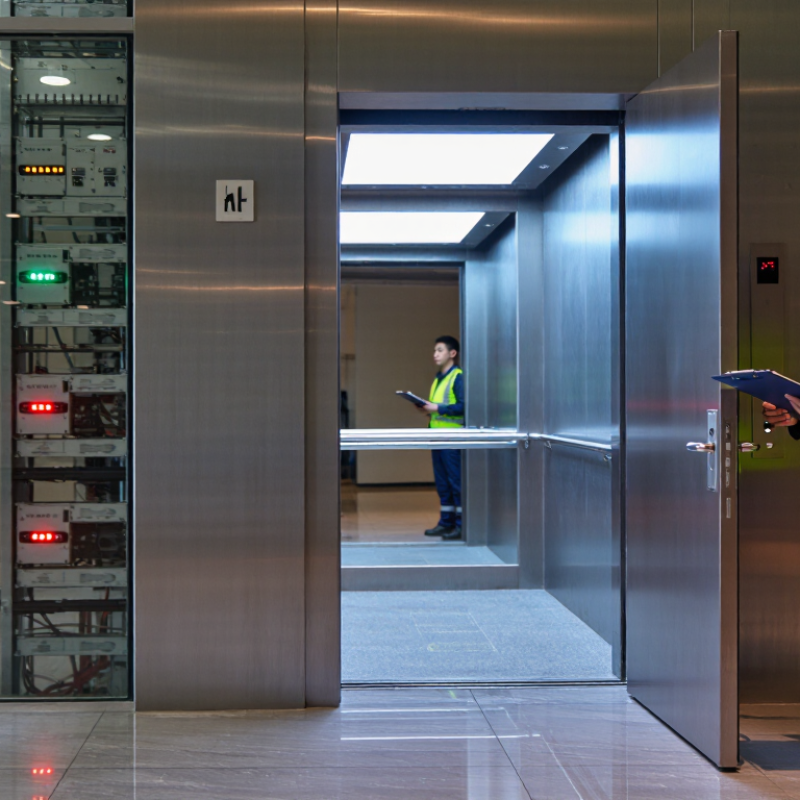
Lift maintenance requirements in China depend on the equipment, its location, usage, and applicable safety rules. Building owners or property managers should keep maintenance arrangements current and use qualified service personnel. They should also check local requirements and the lift’s technical documentation, rather than relying on a generic calendar. Details matter.
A practical maintenance plan covers door locks, brakes, leveling accuracy, alarm systems, and emergency communication. Technicians may also inspect ropes, guide rails, and control components, adjusting their checks to the lift’s condition and passenger traffic. A busy residential lift may need closer attention than one serving a quiet office. The manufacturer’s instructions help set a baseline, but they do not replace required inspections or local supervision.
Keep service records with dates, reported faults, repairs, and follow-up actions. These notes help managers spot recurring problems, such as doors that hesitate on the same floor. If a lift repeatedly stops unevenly, record when and where it happens, then arrange a professional assessment. Do not treat a completed checklist as proof that every issue is resolved. Schedules can look tidy on paper and still miss the warning signs riders notice each day.
| Maintenance or compliance item | Typical timing or requirement | What buyers and building operators should check | Planning note |
|---|---|---|---|
| Routine maintenance | At least once every 15 days under China’s elevator maintenance rules. | Confirm the maintenance provider is appropriately licensed and that each visit is recorded, including work performed and any issues found. | The 15-day interval is a minimum requirement, not a recommendation to delay work when a fault or safety concern arises. |
| Routine checks and servicing | As specified in the maintenance plan and applicable technical rules; routine visits follow the required interval above. | Ask for a written checklist covering relevant safety devices, door operation, electrical controls, lubrication, cleaning, and adjustments. | The exact tasks vary with lift type, configuration, usage, condition, and applicable requirements. |
| Periodic maintenance milestones | Maintenance rules include additional work at specified milestones, including half-yearly and annual tasks. | Request the provider’s schedule showing which milestone tasks apply to the specific lift and how completion will be documented. | Do not treat these tasks as a replacement for the required routine maintenance visits. |
| Inspection and self-testing | Complete inspections and any required self-testing in accordance with the current national rules, applicable inspection scheme, and local requirements. | Check the lift’s inspection status, required records, and upcoming deadlines with the responsible inspection body or local market-regulation authority. | The applicable process and timing can depend on the lift and current rules; verify the schedule for the installation rather than assuming a universal cycle. |
| Faults and safety-related issues | Report and address promptly when discovered; take the lift out of service when continued operation may be unsafe. | Agree on a reporting route, response arrangements, repair authorization, and records of corrective work before service begins. | A routine visit schedule does not replace prompt action for breakdowns, abnormal operation, or safety concerns. |
| Rescue and emergency arrangements | Maintain an emergency response procedure and coordinate with the maintenance provider and building personnel. | Verify emergency contacts, alarm and communication functions, rescue responsibilities, and staff awareness of the procedure. | Emergency response should follow applicable requirements and the building’s approved procedures; passengers should not attempt self-rescue. |
| Records and handover documents | Keep maintenance, inspection, repair, and safety-management records current and available to the responsible parties. | At handover, collect the maintenance plan, visit records, fault history, inspection documents, manuals, and equipment identification details. | Clear records help buyers assess service continuity, outstanding work, and future maintenance costs. |
| Buyer’s contract review | Before purchase or service renewal. | Confirm service scope, visit frequency, exclusions, response arrangements, spare-parts terms, reporting format, and responsibility for statutory tasks. | Compare the proposed contract with current Chinese requirements and the lift’s actual operating conditions. |
Regulatory reference: China’s elevator maintenance requirements include the national special-equipment safety technical specification TSG T5002-2017. Requirements and inspection arrangements may change; confirm the current rules and local implementation for the specific lift.
It should list checks for brakes, door locks, ropes, controls, and emergency communication equipment. Timing should reflect lift age, usage, conditions, and manufacturer guidance. No calendar fits all.
Review dated logs that name the lift, checks completed, faults found, parts replaced, and follow-up actions. “Checked” alone says very little. Details matter.
It should separate routine maintenance from repairs and replacement parts. Confirm who can approve extra work before it begins.
Ask about relevant training and regular updates on the equipment technicians maintain. Organized tools help, but they are not proof of careful work.
Clarify urgent-call procedures and expected response times. Staffing and travel distance can affect real arrival times. Promises need context.
Compare dated records with technician reports and recent repair notes. Look for recurring faults and named follow-up actions. A tidy file can still mislead.
Ask for references from buildings with similar lift traffic. Confirm what those clients actually received, not just what was promised.
Keep schedules and records in a shared folder. Confirm who logs emergency callouts and flags overdue tasks. Ask when something is unclear; guessing can be costly.
Lift maintenance in China depends on the equipment’s type, age, usage, operating environment, and applicable safety requirements. Rather than following a single timetable for every lift, owners should work with a qualified maintenance provider to determine what maintenance schedule is recommended for lifts at their site. A practical plan typically combines regular inspections with preventive servicing, adjusting the frequency when usage is heavy, conditions change, or inspections identify concerns.
Routine work may include checking doors, controls, alarms, safety devices, and key mechanical and electrical components, as well as addressing wear before it leads to disruption. Buyers can assess providers by reviewing their technicians’ qualifications, service coverage, response arrangements, and maintenance procedures. Clear records of inspections, repairs, and follow-up actions help demonstrate consistent care, support compliance, and make service quality easier to evaluate over time.

 Progan Lift