Choosing lifting equipment is not simply a matter of comparing prices or rated capacities. A crane working beside a steel furnace faces very different demands from a hoist serving a clean warehouse. Heat, dust, corrosive air, narrow aisles, load shape, and lifting frequency can change the safest and most practical choice.
This guide explains how to select lifting equipment for different industries through real operating conditions. In construction, mobile cranes may need rapid relocation, uneven ground protection, and clear load charts. Manufacturing plants often require bridge cranes with accurate positioning, frequent cycles, and low maintenance downtime. Ports and logistics yards may prioritize long travel distances, outdoor weather resistance, and reliable controls. Mining operations need equipment that tolerates vibration, dust, and heavy continuous loads.
Details matter. A 10-ton load does not always require the same 10-ton lifting solution. Its center of gravity, lifting points, movement path, and frequency all affect equipment selection. Experienced suppliers should review these factors before recommending a model. They should also provide traceable specifications, inspection guidance, installation support, and service records.
There is no perfect checklist.
Buyers should verify duty classification, safety devices, operating temperature, power supply, spare-part access, and operator training. Local technical requirements also deserve careful review. A low-cost machine can become expensive when downtime, difficult servicing, or poor load control appears later. That assumption can fail. The best equipment is the one that performs reliably in its actual workplace, not merely the one with the largest capacity or lowest initial quote.
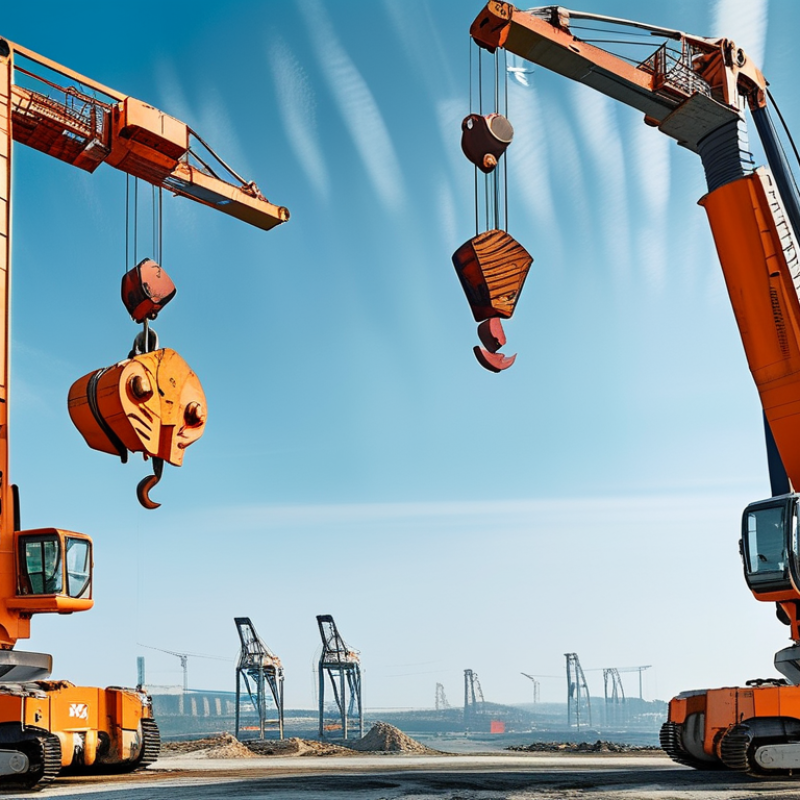
China Top Lifting Equipment: How to Choose by Industry?
Identify the industry before selecting lifting equipment. A warehouse may need compact electric lifting systems for narrow aisles and frequent pallet movement. A construction site usually requires greater reach, higher capacity, and stable operation on uneven ground. Manufacturing workshops often demand precise positioning, repeated cycles, and low vibration. A shipyard adds salt air, wind, and outdoor corrosion concerns. These conditions change the right choice.
Worksite details matter as much as rated capacity. Check the load weight, lifting height, load center, floor strength, available power, and daily duty cycle. In a foundry, heat-resistant components and protected controls may be necessary. In a food-processing area, cleanable surfaces and suitable materials can reduce contamination risks. A lifting professional should verify calculations, inspection access, operator visibility, and local safety requirements. One overlooked detail can affect the whole operation.
Tips: Record the heaviest real load, not an estimated average. Measure aisle width and overhead clearance on site. Leave a practical safety margin, but avoid unnecessary oversizing. Ask for load charts, maintenance instructions, inspection records, and operator training support. Test the equipment under controlled conditions before full deployment. A perfect selection is uncommon; reviewing mistakes after installation often reveals needs that planning missed.
| Industry | Typical Lifting Tasks | Common Load Type | Typical Capacity Range | Recommended Equipment Types | Worksite Conditions | Key Selection Factors | Relevant Safety Considerations |
|---|---|---|---|---|---|---|---|
| Construction | Moving structural steel, concrete components, formwork, machinery and materials between ground level and elevated floors. | Steel beams, rebar bundles, concrete panels, pallets and construction tools. | 2–20 tonnes | Tower crane Mobile crane Material hoist Electric chain hoist | Outdoor sites, uneven ground, changing work zones, wind exposure and restricted access. | Required height, working radius, ground bearing capacity, mobility, installation space and wind conditions. | Use certified lifting accessories, establish exclusion zones and verify load charts for the actual radius and configuration. |
| Manufacturing | Loading and unloading production lines, positioning dies, changing molds and moving components during assembly. | Machine parts, dies, molds, motors, gearboxes and fabricated assemblies. | 0.5–15 tonnes | Overhead crane Gantry crane Jib crane Wire rope hoist | Indoor facilities with defined travel paths, limited headroom, frequent lifting cycles and controlled floor conditions. | Duty class, lifting frequency, span, runway length, headroom, positioning accuracy and integration with production operations. | Protect operators from suspended loads, inspect hooks and ropes regularly, and prevent crane operation from interfering with production traffic. |
| Steel and Metal Processing | Handling coils, plates, billets, profiles and hot or processed metal during storage and production. | Steel coils, slabs, billets, plates, pipes and long steel sections. | 10–100+ tonnes | Heavy-duty overhead crane Magnet crane Coil-handling crane Grab crane | High temperatures, dust, scale, impact loading, heavy-duty cycles and potentially corrosive environments. | Thermal protection, duty classification, load control, magnet or grab suitability, crane speed and maintenance access. | Use heat-resistant components where required, maintain safe separation from hot material and never rely on a lifting magnet outside its rated conditions. |
| Port and Marine Operations | Loading and unloading containers, bulk cargo, ship components and heavy project cargo. | Containers, steel products, machinery, marine equipment and bulk materials. | 5–100+ tonnes | Quayside crane Mobile harbor crane Gantry crane Marine crane | Salt air, strong wind, water exposure, moving vessels, uneven loading areas and continuous operation. | Outreach, lifting height, wind limits, corrosion protection, load spectrum, rail alignment and vessel compatibility. | Apply anti-corrosion protection, use approved spreaders and lifting gear, and suspend operations when wind or sea conditions exceed limits. |
| Warehousing and Logistics | Moving pallets, containers, packaged goods, machinery and maintenance loads within storage and distribution facilities. | Palletized products, cartons, drums, equipment and packaged components. | 0.25–10 tonnes | Monorail crane Light-duty gantry crane Jib crane Electric hoist | Indoor areas with aisles, racking systems, frequent vehicle movement and limited floor space. | Load frequency, aisle width, available headroom, travel speed, floor loading, control method and workflow efficiency. | Separate pedestrian and vehicle routes, prevent overloads and ensure the load is stable before horizontal movement. |
| Energy and Power Generation | Installing and servicing turbines, transformers, generators, valves, pumps and other large plant components. | Turbine parts, transformers, generators, pipes, valves and maintenance equipment. | 5–300+ tonnes | Heavy-duty overhead crane Gantry crane Hydraulic crane Explosion-protected hoist | Large indoor halls, outdoor substations, high temperatures, electrical hazards and strict maintenance schedules. | Extreme load dimensions, lift precision, duty cycle, emergency operation, power supply, clearance and environmental protection. | Coordinate lifting plans with electrical isolation procedures and use equipment suitable for the facility’s electrical and hazardous-area classification. |
| Oil, Gas and Petrochemical | Handling pumps, compressors, pipe sections, process equipment and maintenance components in plant areas. | Pipe spools, valves, pumps, compressors, tanks and packaged process equipment. | 1–100 tonnes | Explosion-protected hoist Truck crane Process-area crane Portable gantry | Potentially explosive atmospheres, confined spaces, corrosive chemicals, outdoor exposure and complex pipework. | Hazardous-area classification, spark prevention, corrosion resistance, compact dimensions, remote control and maintenance access. | Confirm compliance with the site’s hazardous-area requirements, control ignition sources and follow permit-to-work and gas-testing procedures. |
| Mining and Quarrying | Moving crushers, motors, conveyor components, rock-handling equipment and maintenance loads. | Mining machinery, crushers, motors, conveyor parts, steel structures and bulk material equipment. | 5–150 tonnes | Heavy-duty gantry crane Overhead crane Rough-terrain crane Wire rope hoist | Dust, vibration, moisture, uneven terrain, remote locations and limited access for service vehicles. | Dust and water protection, structural durability, ground conditions, transportability, lifting radius and spare-parts availability. | Use equipment rated for the environment, inspect structural members for fatigue and establish stable crane positions before lifting. |
| Shipbuilding and Ship Repair | Positioning engines, hull sections, steel plates, piping assemblies and shipboard machinery. | Hull blocks, engines, propellers, steel plates, pipes and marine machinery. | 5–500+ tonnes | Goliath crane Shipyard gantry crane Portal crane Jib crane | Large open yards, coastal weather, long travel distances, variable load geometry and high wind exposure. | Span, lifting height, yard coverage, synchronized lifting, wind resistance, corrosion protection and load balancing. | Use engineered lifting plans for large blocks, verify center of gravity and coordinate all personnel involved in synchronized operations. |
| Railway and Transportation | Manufacturing, assembling, maintaining and exchanging railway vehicles, bogies, wheelsets and traction equipment. | Railcars, locomotive components, bogies, wheelsets, batteries and traction motors. | 2–80 tonnes | Workshop overhead crane Synchronized crane system Jib crane Hydraulic lifting system | Indoor workshops with long bays, precision positioning requirements and strict access control. | Synchronization accuracy, lifting points, runway length, low-headroom design, control reliability and maintenance frequency. | Balance long loads carefully, use designated lifting points and verify synchronization before raising rail vehicles or assemblies. |
| Agriculture and Food Processing | Handling processing equipment, motors, mixers, storage components, packaging machinery and maintenance parts. | Motors, pumps, conveyors, tanks, mixers, bins and packaged materials. | 0.25–10 tonnes | Stainless-steel jib crane Light-duty overhead crane Electric chain hoist Portable gantry | Washdown areas, humidity, dust, hygiene-controlled rooms, limited space and frequent cleaning. | Corrosion resistance, hygienic design, washdown protection, compact footprint, load frequency and ease of cleaning. | Select materials and finishes suitable for the cleaning regime, prevent contamination and keep lifting equipment outside product-contact zones where required. |
| Waste Management and Recycling | Moving scrap, waste containers, recyclable materials and equipment used in sorting or processing lines. | Scrap metal, waste containers, recyclable materials, bales and processing machinery. | 2–50 tonnes | Grab crane Waste handling crane Magnet crane Gantry crane | Dust, debris, corrosive waste, irregular loads, high operating cycles and potentially unpleasant or hazardous atmospheres. | Duty class, grab or magnet capacity, dust protection, corrosion resistance, automation level and maintenance accessibility. | Use suitable load-handling attachments, control falling debris and implement inspection procedures for contamination and abnormal wear. |
| Installation and Maintenance Services | Temporary lifting of motors, HVAC units, pumps, tooling and replacement parts in locations without permanent cranes. | Motors, compressors, air-conditioning units, pumps, tools and spare parts. | 0.1–10 tonnes | Portable gantry Lever hoist Manual chain block Vehicle-mounted crane | Variable sites, restricted access, temporary work areas, uneven floors and limited electrical supply. | Portability, setup time, available anchorage, manual effort, transport dimensions, floor capacity and working height. | Confirm the support surface and anchorage, secure portable equipment against movement and inspect all components before each lift. |
: Start with the heaviest planned load, not a catalogue photograph. Record its weight, shape, lifting points, center of gravity, and attachments. A two-ton pallet may need different handling from a two-ton steel coil. Do not rely on average loads.
A bridge crane suits repeated movement across a fixed bay. It travels along building runways and supports regular production work. Check runway capacity and rail alignment carefully. Small details matter.
Choose a gantry crane when building columns cannot support runway loads. It can serve outdoor yards or areas without suitable overhead structures. Check ground level, wheel travel, wind exposure, and surface strength. Uneven ground creates practical problems.
A jib crane suits short, localized lifts near a workstation. It can move materials between nearby benches, machines, or storage points. Confirm the swing radius and floor or wall strength. Space is limited.
Measure floor-to-ceiling clearance, hook travel, and space above the load. A low-headroom hoist can preserve working height in compact workshops. Check whether beams, lights, pipes, or ducts obstruct the hook path. Height changes everything.
Occasional maintenance lifting may require a lighter duty classification. Production lines with hundreds of daily cycles need stronger brakes, motors, controls, and thermal capacity. Review actual duty cycles regularly. Monthly checks may be excessive for a small workshop, but usage changes.
Request quality certificates, applicable standards, load-test records, welding procedures, and inspection reports. Ask for traceable component lists and clear operating manuals. Certification helps, but it does not prove every design decision is sound. That deserves scrutiny.
Confirm span, lifting height, duty class, power supply, control mode, temperature range, and rail alignment. Outdoor or corrosive locations may need stronger protective coatings and remote monitoring. Discuss these conditions before ordering. Retrofitting is rarely cheap.
Ask about spare-part lead times, technician response windows, operator training, and usable English manuals. Clarify inspection responsibilities and maintenance schedules after delivery. A low quotation may hide expensive downtime. Price is not everything.
Choosing the right lifting equipment begins with understanding the industry, worksite conditions, load characteristics, lifting height, and operating frequency. The key question is how to select lifting equipment for different industries while balancing productivity, safety, and long-term reliability. Construction sites may require flexible and durable solutions, while factories, warehouses, ports, and specialized facilities often need equipment designed for precise handling, repeated operation, or challenging environments. Load capacity, movement range, speed, available space, and power conditions should all be assessed before making a decision.
A practical selection process should also evaluate safety features, control systems, inspection procedures, maintenance access, and expected service life. When comparing Chinese manufacturers, buyers should review certifications, manufacturing quality, customization capabilities, technical support, spare-parts availability, and after-sales service. Finally, a complete cost assessment should include purchase price, installation, training, energy use, maintenance, downtime risks, and future upgrades. This structured approach helps organizations choose equipment that fits both operational requirements and budget goals.

 Progan Lift