Lifting equipment plays a crucial role in various industries, from construction to manufacturing. These machines need to be reliable and safe for long-term use. However, many operators overlook proper maintenance routines. Understanding how to maintain lifting equipment for long-term use is essential for maximizing lifespan and ensuring safety.
When equipment is not maintained, it can lead to costly downtimes and safety hazards. Regular inspections and timely repairs can prevent these issues. Simple tasks, such as lubrication and checking for wear and tear, can make a significant difference. Knowledge of best practices will help operators make informed decisions.
It's important to reflect on past experiences. Have you ever faced unexpected equipment failures? Such incidents highlight the need for a structured maintenance plan. Investing time in maintenance today will pay off in the future. A proactive approach ensures that lifting equipment remains efficient and dependable over time.
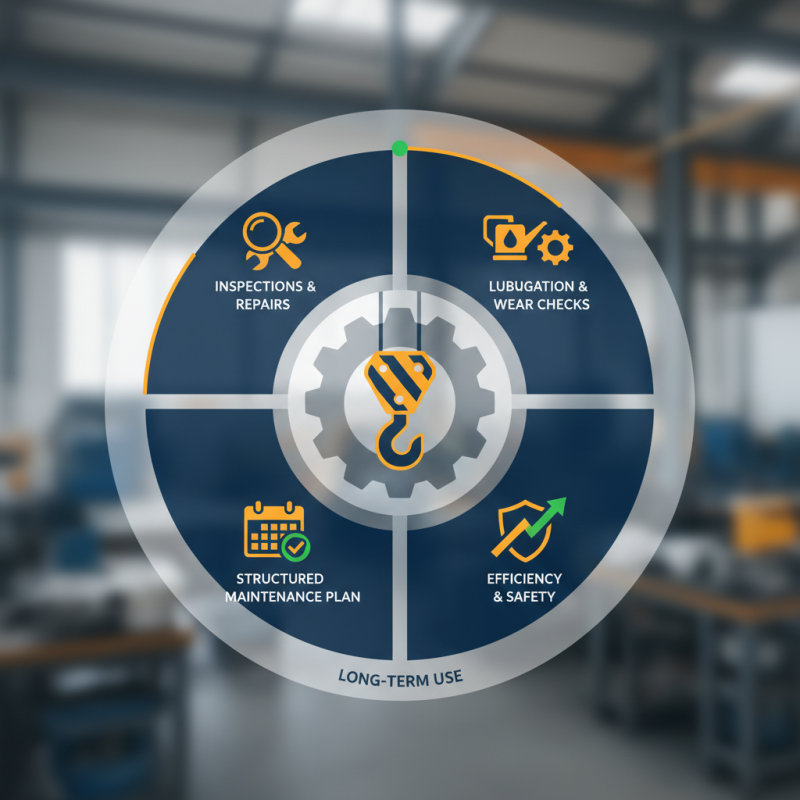
Regular maintenance of lifting equipment is essential for ensuring its longevity and reliability. Lifting equipment, such as cranes and forklifts, undergoes significant stress. Neglecting maintenance can lead to unexpected breakdowns and costly repairs. Regular checks not only enhance safety but also improve productivity.
Tips: Schedule monthly inspections. Check for wear and tear, especially on cables and chains. Replace damaged parts promptly.
Understanding the importance of regular maintenance means recognizing its long-term benefits. Equipment that is well-maintained operates efficiently, reducing energy consumption. For instance, a poorly maintained hydraulic system might lead to leaks. Such problems can affect the entire operation, causing delays.
Tips: Train staff to identify early signs of issues. Keeping a maintenance log can help track performance over time. This practice promotes accountability and encourages prompt intervention when necessary.
Ignoring maintenance can create serious hazards. Equipment failures can result in injuries, harming workers and damaging property. A proactive approach is crucial for maintaining operational integrity. Regular maintenance is not merely an expense; it is an investment in safety and efficiency.
Routine inspection of lifting equipment is essential for safe operation and longevity. Key components require regular checking to prevent failures. Inspections should focus on chains, hooks, and slings. These parts experience significant wear and tear. Inspect them for visible damage like cracks or bends. Look for corrosion that can weaken metal. If anything seems off, it’s better to replace these components.
The condition of brakes and controls is equally crucial. Ensure they function smoothly and reliably. Unexpected issues may arise if these systems are not routinely checked. Regular lubrication of moving parts is vital too. Without it, performance can diminish over time. Operators should be trained to recognize signs of wear. This awareness fosters a culture of safety.
Relying solely on scheduled inspections can be misleading. It is essential to promote a proactive approach. Encourage team members to report odd sounds or irregularities. Addressing even minor concerns can prevent major breakdowns. A consistent routine can avoid costly repairs. Well-maintained equipment not only enhances safety but also extends its lifespan.
| Component | Inspection Frequency | Common Issues | Maintenance Tips |
|---|---|---|---|
| Chains | Weekly | Wear, corrosion | Lubricate regularly, check for elongation |
| Slings | Monthly | Fraying, cuts | Inspect for damage before each use, replace if necessary |
| Hooks | Monthly | Deformation, cracks | Check for proper closure, ensure no signs of wear |
| Hoists | Quarterly | Jamming, motor issues | Test load capacity, ensure smooth operation |
| Control Systems | Monthly | Electrical faults, sensor errors | Check connections, test all functions |
| Wheels and Casters | Monthly | Worn out treads, binding | Lubricate bearings, inspect for wear |
| Frames | Quarterly | Rusting, structural weakness | Check for stability, repaint where needed |
Maintaining lifting equipment is crucial for safety and efficiency. A survey by the National Institute for Occupational Safety and Health (NIOSH) found that improper maintenance can lead to a 30% increase in workplace accidents. Preventive maintenance tasks help identify issues before they escalate. Start with regular inspections, focusing on key components like hooks, chains, and hoists. Look for signs of wear, corrosion, or fatigue.
Cleaning equipment is often overlooked. Dirt and grime can cause parts to fail prematurely. Use appropriate cleaners that won't damage surfaces. Data from the American Society of Mechanical Engineers (ASME) indicates that routine cleaning can extend equipment life by 25%.
Lubrication is another essential task. Apply the correct types and amounts of lubricants to reduce friction and wear.
Documenting maintenance activity is critical. Tracking inspections and repairs ensures accountability. However, many operators neglect this step. A study showed that 45% of companies do not keep proper maintenance logs. This lack of documentation can lead to missed issues and costly repairs. Regular training on maintenance best practices can help crews stay updated and vigilant.
Maintaining lifting equipment is crucial for its longevity. Common issues often arise from neglect and improper use. Regular inspections can help identify these problems early. Frequent wear is usually caused by overloading, which can lead to mechanical failures. Operators must understand the load limits and adhere strictly to them.
Tips: Conduct visual checks before every use. Look for signs of wear, such as frayed cables or loose components. Even small damages can lead to significant issues later.
Another common issue is lack of lubrication. Rust and corrosion can develop in the absence of proper maintenance. Regularly lubricating moving parts will help prevent these problems. Without this, equipment lifespan can significantly shorten.
Tips: Develop a regular maintenance schedule. Document each maintenance activity. This creates a history of the equipment’s condition. It helps identify potential problems before they escalate.
Operator training also plays a role in avoiding issues. Inexperienced operators may misuse equipment or fail to notice signs of trouble. Continuous education can remedy this, ensuring safety and efficiency.
Tips: Implement training sessions regularly. Use real-life examples from previous equipment failures. Learning from past mistakes can enhance awareness and skill.
This chart illustrates the common issues faced in lifting equipment and the recommended maintenance actions to enhance longevity. Data reflects the percentage of equipment affected by specific issues and the corresponding maintenance activities undertaken.
Maintaining lifting equipment is crucial for ensuring safety and longevity. One essential aspect is documenting maintenance and performance. Accurate records can greatly enhance reliability and efficiency. They help identify usage patterns and predict future needs.
Tips for Effective Documentation: Keep it Simple. Use clear language in your records. Note the date, type of maintenance performed, and any issues encountered. This clarity will aid in understanding the equipment's condition. Regularly review these documents to recognize recurring problems. Are your logs consistent?
Incorporate Visual Aid. Consider taking pictures during maintenance sessions. Visual records can complement written notes. They provide additional context, especially for complex issues. Are your photo records organized? Make sure they correlate with your written documentation.
Failure to document properly can lead to oversight. Inconsistent records might mask underlying problems. Ensure every maintenance task is logged accurately. Reflect on your documentation practices periodically. Are they meeting your needs?
: Preventive maintenance helps identify issues early. This can reduce workplace accidents by up to 30%.
Inspect key components like hooks, chains, and hoists. Look for signs of wear or corrosion.
Dirt and grime can cause parts to fail. Regular cleaning can extend equipment life by 25%.
Lubrication is essential. Apply the right types and amounts of lubricants to minimize wear.
Documentation ensures accountability. Without it, issues can be missed and repairs may be costly.
Many neglect to keep proper maintenance logs. About 45% of companies do not document adequately.
Keep records clear and simple. Note the date, task type, and any encountered issues.
Yes, taking pictures during maintenance can enhance understanding. Visuals help clarify complex issues.
Regular reviews can help identify recurring problems. Reflect on your documentation practices periodically.
Yes, inconsistent records can mask problems. Ensure that maintenance tasks are logged accurately.
Effective maintenance of lifting equipment is crucial for ensuring its longevity and operational safety. Understanding the importance of regular inspections and maintenance can help in identifying key components that require attention, such as cables, pulleys, and hydraulic systems. A step-by-step guide to performing preventive maintenance tasks will not only prolong the lifespan of the equipment but also minimize the risk of common issues, such as wear and tear and mechanical failure.
Furthermore, documenting maintenance and performance records is essential for tracking the condition of the equipment and ensuring compliance with safety standards. By following these guidelines, operators can learn how to maintain lifting equipment for long-term use, ultimately leading to increased productivity and reduced costs associated with unexpected repairs.

Progan Lift