Why You Should Ensure Compliance with Lift Safety Standards?

Time:2026-06-19 Author:Liam
0%

Ensuring compliance with lift safety standards is crucial for protecting lives. Elevators are used daily in various settings, from residential buildings to hospitals. However, without adherence to safety regulations, the risk of accidents increases dramatically.

John Thompson, a lift safety expert with over 15 years of experience, emphasizes, "Proper maintenance and compliance can prevent most accidents." His insights highlight the importance of proactive measures. Understanding how to ensure compliance with lift safety standards can significantly enhance safety protocols.

Compliance involves regular inspections, staff training, and proper documentation. These actions build a culture of safety. Reflecting on past incidents can offer valuable lessons. Organizations must avoid complacency and continually strive for improvement in safety practices. Adopting a thorough approach will foster an environment of reliability and trust.
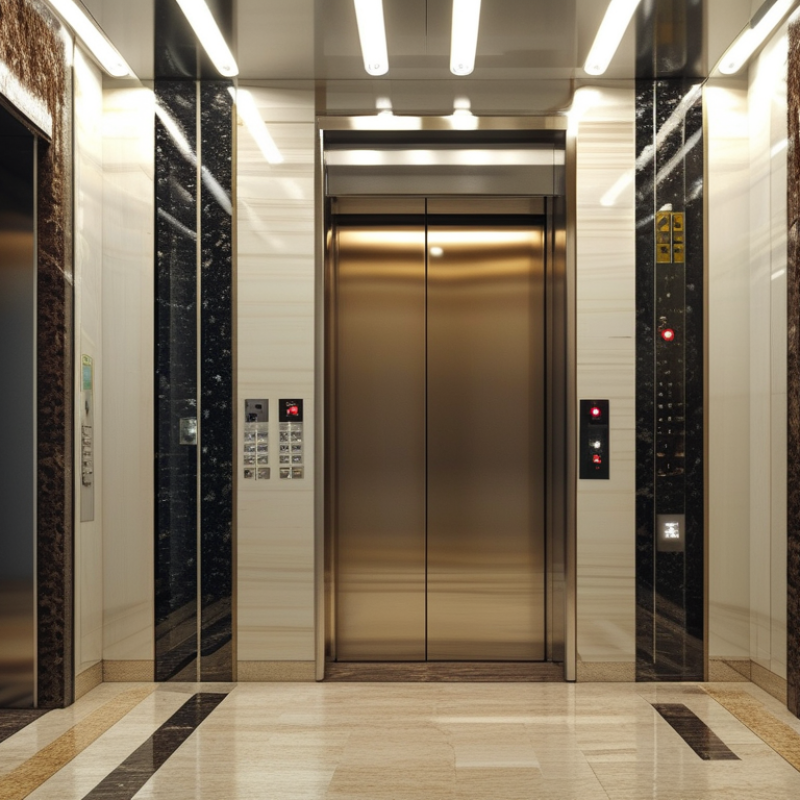
Why You Should Ensure Compliance with Lift Safety Standards?

Importance of Lift Safety Standards in Preventing Accidents

Ensuring compliance with lift safety standards is crucial. These standards play a vital role in preventing accidents and protecting users. Every year, numerous lift-related incidents occur due to lack of adherence to safety protocols. These accidents can lead to serious injuries or even fatalities. Maintaining lift safety isn’t just about following regulations; it’s about creating a culture of safety.

Tips for Lift Safety: Regular inspections are essential. Check for any signs of wear or malfunction. Train all users on proper lift usage. Educate them about what to expect. It’s important to ensure that emergency procedures are clear and accessible.

Additionally, frequent maintenance checks can help identify potential hazards early. Many overlook this step, assuming lifts are always safe if they seem functional. Remember, safety standards are there for a reason. Even minor issues can escalate into major problems. Stay vigilant and prioritize safety above all.

Legal Implications of Non-Compliance with Lift Safety Regulations

Compliance with lift safety standards is crucial for both legal protection and operational safety. Non-compliance can lead to serious legal consequences. According to the National Safety Council, workplace accidents involving lifts account for thousands of injuries annually, resulting in significant liability for companies. A single incident can lead to costly lawsuits, regulatory fines, and even criminal charges.

In a report by the Occupational Safety and Health Administration (OSHA), it's noted that elevators and lifts, when not regularly inspected and maintained, become funeral liabilities. Approximately 20% of lift accidents occur due to maintenance neglect. This negligence not only endangers employees but also puts businesses at risk of significant financial losses, which can exceed millions in damages and fines.

Ignoring lift safety standards comes with an ethical dilemma, too. An organization’s reputation suffers when it becomes linked to safety violations. This can lead to decreased employee morale and loss of trust from clients. Each entity must reflect on their commitment to safety. Are your safety protocols truly up to date? Regular audits are essential in avoiding hazards and ensuring accountability.

Compliance with Lift Safety Standards: Legal Implications of Non-Compliance

Key Components of Lift Safety Standards Every Business Should Know

Lift safety standards are crucial for ensuring the well-being of users and the efficiency of businesses. Understanding key components of these standards can help prevent accidents and enhance operational safety. According to the International Organization for Standardization (ISO), compliance with safety regulations can reduce lift-related incidents by up to 30%. This statistic highlights the urgency of adhering to these guidelines.

Regular maintenance is a fundamental component. It's essential to inspect lifts monthly. A report from the American National Standards Institute states that 20% of lift failures stem from inadequate inspections. This reveals a clear need for diligent oversight. Additionally, operator training plays a vital role. Staff should be trained on emergency procedures and routine operations to respond effectively.

Tip: Implement a checklist for daily inspections. This simple practice ensures that potential issues are promptly addressed.

Another important aspect is the quality of installation. Substandard installation can lead to malfunctions, posing a risk to users. According to the National Elevator Industry, nearly 25% of lift accidents involve installation errors. Investing in professional installation can mitigate these risks significantly.

Tip: Engage certified professionals for all installation work. This choice pays dividends in safety and reliability.

Understanding lift safety standards is not just a regulatory requirement; it's a vital part of a responsible business strategy. Prioritizing these standards can protect lives and enhance the reputation of your business.

Benefits of Adhering to Lift Safety Standards for Businesses and Users

Ensuring compliance with lift safety standards offers significant benefits for both businesses and users. Research indicates that adherence can reduce accidents by up to 50%. This dramatic decrease highlights the importance of maintaining safety protocols. Companies that invest in lift safety not only comply with regulations but also protect their employees and clients.

A recent industry report found that 30% of businesses do not perform regular safety inspections on their lifts. This oversight can lead to costly injuries and legal issues. By ensuring compliance, companies can enhance their reputation and trustworthiness. Users feel safer knowing that lifts are regularly checked and maintained.

Moreover, compliant lifts can improve operational efficiency. Regular maintenance reduces downtime and the likelihood of costly repairs. While some businesses may see safety compliance as an extra cost, it is, in fact, an investment. Ignoring safety standards can result in long-term financial implications that far exceed the cost of compliance. The focus should be on creating a safer environment for all.

Steps to Achieve Compliance with Lift Safety Standards and Best Practices

Ensuring compliance with lift safety standards is crucial for protecting users and minimizing risks. To achieve this, organizations must follow several key steps. Regular inspections are essential. Technicians should conduct thorough checks of lift equipment at least once a month. Document these inspections to track any issues clearly.

Training staff is another critical step. Employees must understand safety protocols. This knowledge empowers them to act quickly in emergencies. Conduct regular safety drills to reinforce these practices. Make sure all staff know how to operate lifts safely.

Tips for compliance: Use clear signage around lifts for guidance. Maintain a clear communication channel for reporting safety concerns. Finally, evaluate your safety procedures annually. Reflect on areas of improvement and adjust practices accordingly. Compliance is not a one-time effort; it requires ongoing commitment.

Why You Should Ensure Compliance with Lift Safety Standards?

Compliance Area Importance Best Practices Inspection Frequency Recommended Actions
Design Standards Ensures safety and prevents accidents Follow national regulations Before installation Consult with engineers
Maintenance Protocols Keeps lifts operational and safe Schedule regular maintenance Monthly Document service records
Safety Training Prepares staff for emergency situations Conduct regular training sessions Quarterly Simulate emergency drills
Emergency Procedures Ensures quick response in emergencies Develop clear evacuation plans Annually Review and update plans
Regulatory Compliance Avoids legal penalties Stay updated on laws Bi-annually Audit compliance regularly

FAQS

: Why are lift safety standards important?

: They prevent accidents and protect users, reducing injuries and fatalities.

How often should lifts be inspected?

Lifts should be inspected monthly to ensure safety.

What is a common cause of lift failures?

Inadequate inspections contribute to 20% of lift failures.

How can staff improve lift safety?

Proper training on emergency procedures is essential for all staff.

What should be included in a daily inspection checklist?

Inspect for signs of wear, malfunction, and ensure emergency procedures are clear.

What can happen if lifts are poorly installed?

Nearly 25% of lift accidents stem from installation errors.

What is a key aspect of maintaining lift safety?

Regular maintenance checks help identify potential hazards early.

Why might people neglect lift safety checks?

Some assume lifts are safe if they seem functional, which can lead to problems.

How can businesses enhance their reputation through safety?

Prioritizing safety standards promotes a responsible business image.

What should businesses remember about safety culture?

Creating a culture of safety goes beyond just following regulations.

Conclusion

Ensuring compliance with lift safety standards is crucial for preventing accidents and safeguarding both users and businesses. By understanding the importance of these standards, organizations can mitigate risks associated with lift operations. Non-compliance can lead to severe legal consequences, making it vital to familiarize oneself with key components of lift safety regulations.

For businesses, adhering to these standards not only enhances safety but also fosters trust among users. To achieve compliance with lift safety standards, organizations should implement best practices, including regular maintenance, staff training, and thorough safety audits. Ultimately, understanding how to ensure compliance with lift safety standards can significantly benefit both operations and user safety.

Liam

Liam

Liam is a dedicated marketing professional with a profound expertise in the industry, where he excels at highlighting the unique advantages of our core products. With a keen understanding of market trends and consumer needs, Liam frequently updates our company’s professional blog, providing......