China Top 10 Lifting Platforms How to Inspect Before Use?

Time:2026-09-20 Author:Isabella
0%

Choosing among China’s top 10 lifting platforms is only part of a safe purchasing decision. The real question is simple: how to inspect lifting platforms before use, every time, under real site conditions. A new machine can still arrive with loose fittings, damaged cables, low battery power, or transport-related defects. Experience matters here. The platform must be checked, not merely admired.

Jeffrey Stachowiak, a recognized safety training professional in the powered-access industry, states, “A pre-use inspection is not a paperwork exercise; it is a hands-on safety decision.” His point is practical. Walk around the platform slowly. Check the guardrails, entry gate, wheels, emergency-stop buttons, hydraulic hoses, warning labels, and visible welds. Look beneath the chassis for leaks. Test the controls at ground level before raising the deck. Listen for unusual clicking or grinding.

The inspection should follow the manufacturer’s manual and the applicable workplace requirements. Records should include the machine number, inspection time, defects found, and corrective action. Do not operate equipment with failed alarms, unstable movement, missing pins, or unclear load ratings. Stop it immediately.

A checklist helps, but it can create false confidence. People sometimes tick boxes without looking closely. That weakness deserves attention. Weather, uneven flooring, poor lighting, and rushed workers can change the risk within minutes. The following guide examines ten leading Chinese lifting platforms and explains how to inspect lifting platforms before use with clearer, field-based steps. Safe equipment begins with honest observation. Not assumptions.
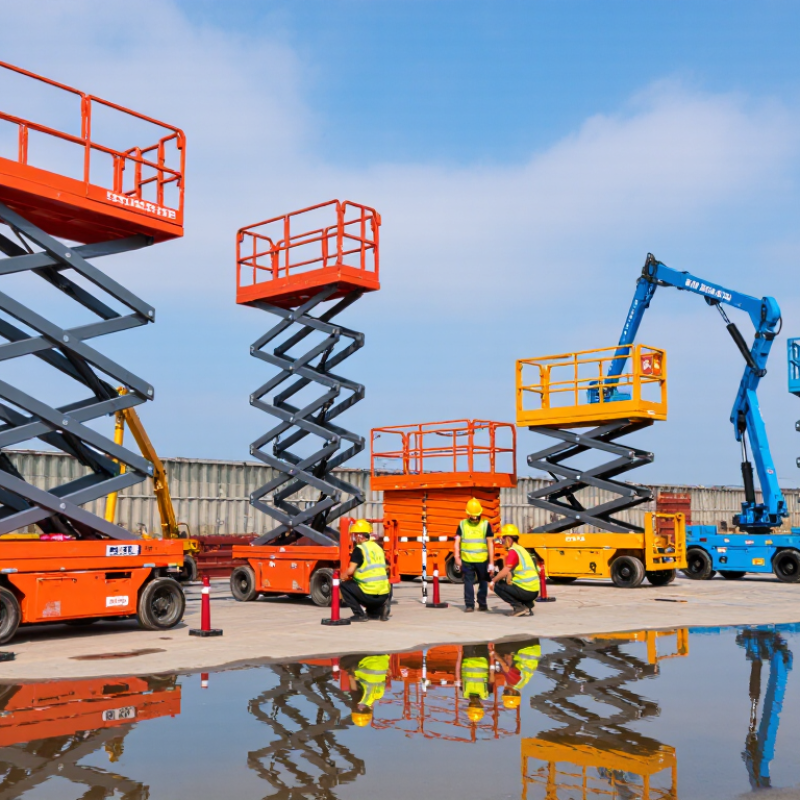
China Top 10 Lifting Platforms How to Inspect Before Use?

Understanding the Main Types of Lifting Platforms in China

Understanding the Main Types of Lifting Platforms in China

China’s lifting-platform market includes several distinct machine types. Scissor platforms provide vertical access on level floors. Telescopic booms reach farther across open spaces. Articulating booms bend around pipes, beams, and equipment. Vertical mast platforms suit narrow aisles and indoor maintenance. Truck-mounted platforms combine road mobility with elevated access. Spider and trailer-mounted units work well on uneven or restricted sites. Rough-terrain models use stronger tires and stabilizers. A 2024 Grand View Research report estimated the global aerial work platform market at over USD 9 billion in 2023, showing the scale behind this equipment category.

Inspection must match the platform’s design. Check guardrails, gates, platforms, emergency-stop buttons, alarms, and visible welds. Look beneath scissor units for hydraulic leaks and damaged hoses. On boom platforms, examine pins, cylinders, slew rings, and telescopic sections. Confirm that outriggers sit firmly on suitable ground. Read the load chart, then compare it with the planned workers, tools, and materials. ISO 16368 recommends controls for design, safe use, and maintenance of mobile elevating work platforms. Local operators should also follow current Chinese inspection and training requirements.

A small detail matters. Test the emergency lowering system before entering the work zone. I would not trust a clean appearance alone. Hidden corrosion can sit beneath fresh paint. A checklist can still miss poor ground conditions or a weak battery. Recheck those points when weather, location, or attachments change.

Checking Documents, Labels, and Equipment Specifications

China Top 10 Lifting Platforms: How to Inspect Before Use?

Checking documents, labels, and specifications is not paperwork theater. It prevents wrong-machine decisions. IPAF’s 2023 Global Safety Report recorded 118 fatalities across 105 powered-access incidents in 20 countries. That figure makes a missing inspection record more than an administrative problem. Check the latest manual, inspection certificate, maintenance history, and operator authorization. Confirm the platform’s serial number matches every document. A certificate with an attractive date means little if it belongs to another unit.

Read every label before starting the engine. Confirm rated load, maximum occupants, platform height, permitted gradient, wind limit, and indoor or outdoor use. Compare these markings with the load chart and job requirements. The emergency-lowering instructions should remain readable. A faded warning label is a defect, not decoration. Standards such as ANSI A92 and ISO 16368 emphasize safe design, inspection, and operating information, but paperwork cannot replace a physical check. I have seen specifications copied incorrectly. That mistake is easy to overlook.

Tips: Photograph the serial plate and key labels. Check them against the inspection certificate. Ask for clarification when figures disagree. Do not guess.

A practical inspection should also compare the listed capacity with tools, materials, and workers entering the platform. Include harness equipment where required. Record missing labels, damaged documents, or unclear specifications before use. The uncomfortable part is admitting that a familiar machine can encourage careless habits. Pause anyway. Safety decisions should follow verified evidence, not confidence.

Inspecting the Platform Structure and Safety Components

Before using one of China’s top lifting platforms, inspect the complete structure on level ground. Check the platform deck for cracks, bent sections, loose fasteners, and slippery oil residue. Examine the guardrails, gates, steps, and access points closely. A small deformation can become serious under a moving load. Confirm that welds show no fresh cracking or unusual separation. Inspect the base frame, wheels, outriggers, and stabilizers for damage or uneven contact.

Test every safety component according to the operating manual. Emergency-stop buttons should respond immediately. Check limit switches, overload protection, alarms, interlocks, and lowering controls. Hydraulic hoses must not show cuts, swelling, or leaks near fittings. Electrical cables need intact insulation and secure connections.

The platform should rise and lower smoothly, without sudden movement, unusual noise, or drifting. Keep clear during this test. Never stand beneath a raised platform.

Tips:

Use a flashlight around joints and welds. Compare both sides for uneven wear. Record defects with photographs and inspection dates. Do not rely only on a clean appearance; dust can hide hydraulic oil. If a warning label is missing, treat it as a safety issue. Operators should confirm the rated load and ground conditions before entry. A checklist helps, but it may miss a problem after rain, impact, or repeated heavy use. Stop the equipment and report uncertainty to a qualified technician. The inspection should be practical, not rushed.

Testing Controls, Power Systems, and Emergency Functions

China Top 10 Lifting Platforms: How to Inspect Before Use?

Controls deserve a hands-on test, not a quick glance. Walk around the platform and check guardrails, gates, tyres, hoses, and warning labels. Look for fresh oil, cracked cables, loose pins, or damaged welds. Then test every control from ground level. Confirm that travel, lift, lower, steering, and emergency-stop functions respond smoothly. Controls should stop immediately when released or pressed. Do not ignore unusual delay. It may indicate contamination, wear, or a failing switch.

Power systems need equal attention. Check battery terminals for corrosion, damaged insulation, and secure connections. For electric units, inspect charging cables and confirm the charger indicates normal operation. For fuel-powered units, examine leaks, exhaust condition, and fluid levels.

Test the platform on a clear, level surface, using the manufacturer’s operating procedure. Emergency lowering must work from both the platform and ground controls. Keep people clear of the descent area. It sounds basic, but this step is often rushed.

IPAF’s Global Safety Report 2024 recorded 118 powered-access fatalities during 2023 across reported countries. Falls, overturns, and entrapment remained major causes. OSHA also identifies falls, electrocution, and tip-overs as recurring aerial-lift hazards. These figures support a disciplined pre-use inspection. A checklist can help, but it cannot replace judgment. If a control feels “almost normal,” stop and investigate. A perfect inspection is unlikely every day; a careless assumption is avoidable.

Completing a Safe Pre-Use Inspection and Operating Decision

Before operating any of the top lifting platforms, complete a hands-on pre-use inspection in a quiet area. A qualified operator should read the operating manual and confirm the platform’s rated capacity. Check the floor for holes, oil, loose debris, and weak surfaces. Inspect guardrails, gates, steps, wheels, outriggers, and visible welds. Nothing should feel loose or damaged.

Look for hydraulic fluid, battery acid, or unusual wear around hoses and fittings. Test the emergency stop, alarms, limit switches, steering, brakes, and platform controls at ground level. Raise the platform slightly, then stop and listen for grinding, hesitation, or uneven movement. Confirm that the controls respond correctly and that the platform remains stable. Keep hands clear of pinch points.

I have learned that a rushed inspection can appear complete while missing a small crack or weak tire. It happens. Use a checklist, but do not follow it blindly. Compare the machine’s condition with its previous inspection record. If any safety device fails, a leak appears, or the operator feels uncertain, do not operate the platform. Isolate it, report the defect, and request assessment by a competent person. The operating decision should be clear: safe to use, restricted for a specific condition, or removed from service. A clean appearance is not proof of safety.

China Top 10 Lifting Platforms: Pre-Use Inspection Checklist

This chart groups the essential checks that should be completed before operating a lifting platform. Inspect the structure, guarding, controls, power systems, stabilizing components, load conditions, fall protection, and safety documentation. Do not operate the platform if any critical defect, abnormal alarm, fluid leak, damaged component, or missing safety device is found.

FAQS

Which documents should be checked before using a lifting platform?

Check the current manual, inspection certificate, maintenance history, and operator authorization. Match the serial number on the platform with every document. A recent certificate may belong to another unit. Do not guess.

What information should platform labels show?

Read the rated load, maximum occupants, platform height, gradient limit, and wind limit. Confirm whether the platform is approved for indoor or outdoor use. Faded labels are defects.

How can the platform’s capacity be verified?

Add the weight of workers, tools, materials, and required safety equipment. Compare the total with the load chart. Small items still count.

What should be done when documents and labels disagree?

Photograph the serial plate and important labels. Compare them with the inspection certificate and manual. Pause the work. Ask a qualified person for clarification.

Which structural parts require close inspection?

Examine the deck, guardrails, gates, steps, access points, and fasteners. Look for cracks, bends, loose parts, oil residue, or fresh weld separation. Small damage matters.

What should be checked around the base and support system?

Inspect the frame, wheels, outriggers, and stabilizers for damage. Confirm that each support contacts firm, level ground. Uneven contact can reduce stability.

Which safety functions should be tested before operation?

Test the emergency stop, limit switches, overload protection, alarms, interlocks, and lowering controls. The platform should move smoothly without drifting, sudden motion, or strange noise. Keep clear.

How should hydraulic and electrical components be inspected?

Check hydraulic hoses for cuts, swelling, and leaks near fittings. Inspect electrical cables for damaged insulation and loose connections. Dust can hide oil. A clean appearance proves little.

What should happen when a defect or uncertainty is found?

Stop the equipment and record the defect with photographs and the inspection date. Do not stand beneath a raised platform. Report uncertainty to a qualified technician. Confidence is not evidence.

Conclusion

This guide explains how to inspect lifting platforms before use, with a focus on the main types commonly used in China, including scissor, boom, vertical, and vehicle-mounted platforms. It outlines how to confirm that equipment documents, inspection records, warning labels, rated capacity, and operating specifications are complete and consistent with the intended task. Readers will also learn to examine the platform structure, guardrails, gates, stabilizers, tires, wheels, hydraulic lines, chains, cables, and other safety-critical components for damage, wear, leaks, or loose parts.

The article further covers testing the control panel, power supply, brakes, alarms, emergency stop, lowering functions, and other protective systems in a controlled area. A practical pre-use checklist helps operators record defects, isolate unsafe equipment, report problems, and decide whether the platform is suitable for operation. The central message is that careful inspection, clear documentation, and proper judgment are essential for preventing avoidable incidents and supporting safe, efficient lifting work.

Isabella

Isabella

Isabella is a dedicated marketing professional with a sharp focus on driving brand growth and engagement through strategic content creation. With an extensive background in digital marketing, she combines her passion for storytelling with her keen understanding of industry trends to deliver......