What Causes Hydraulic Lift Failure and How to Prevent It?

Time:2026-10-05 Author:Amelia
0%

A hydraulic lift can appear dependable while hiding serious weaknesses beneath its platform. A slow descent, oil stain, or uneven rise may signal a failing seal, damaged hose, worn pump, or contaminated fluid. Understanding what causes hydraulic lift failure helps technicians identify these warnings before a minor defect becomes an expensive shutdown.

Hydraulic systems author Brendan Casey warns, “Contamination is the single biggest cause of hydraulic system failure.” His point deserves attention. Fine metal particles can score a cylinder rod, while moisture can corrode valves and reduce lubricant performance. Excessive heat may thin the oil. Low fluid levels can introduce air, causing noisy, jerky movement. Poor alignment adds stress to the cylinder and mounting points. Overloading creates another predictable risk.

The practical response begins with evidence, not guesswork. Inspect the reservoir, hoses, fittings, filters, seals, and pressure readings. Check whether the lift reaches its rated height smoothly. Look for foam in the tank and oil around the cylinder rod. Keep a maintenance record with dates, temperatures, fluid changes, and unusual sounds.

Prevention is not complicated.

Use the correct hydraulic fluid. Replace filters on schedule. Keep the reservoir sealed and clean. Train operators to respect load limits and report small changes early. Still, no checklist is perfect. A hidden crack or incorrectly adjusted relief valve can escape a routine inspection. That is why qualified technicians should verify critical repairs and test the lift under controlled conditions. Reliability comes from repeated attention, not one impressive service visit.
What Causes Hydraulic Lift Failure and How to Prevent It?

Hydraulic Lift Components and Their Roles in Safe Load Handling

What Causes Hydraulic Lift Failure and How to Prevent It?

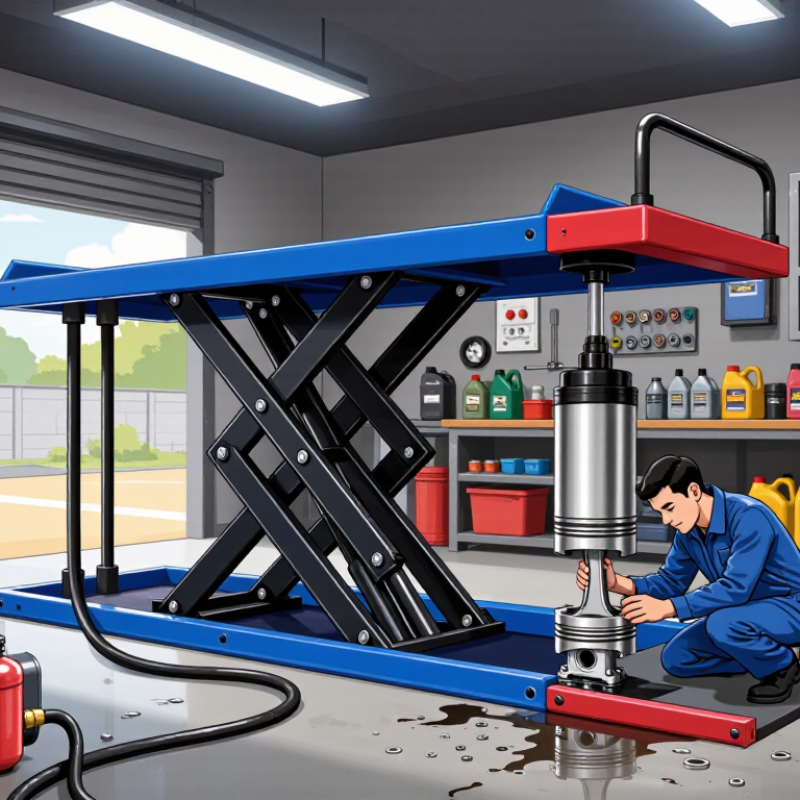
A hydraulic lift depends on several parts working together during every load movement. The pump sends pressurized fluid through control valves to the cylinder. The cylinder converts that pressure into platform movement. Hoses carry the fluid, while seals prevent pressure loss. The reservoir stores and helps cool the hydraulic fluid. Small failures matter.

A worn seal can create a slow leak beneath the platform. Contaminated fluid may score cylinder surfaces and damage valve passages. Trapped air can cause jerky movement or sudden settling. Overloading also increases pressure beyond safe design limits. Safety locks, limit switches, and load sensors help control these risks. They must remain clean, aligned, and functional.

Inspect hoses for bulges, abrasion, and wet connections before operation. Check the fluid level and look for cloudy fluid or metal particles. Listen for unusual pump noise. A raised platform should never rely on hydraulic pressure alone; engage mechanical safety locks during service. Trained technicians should test relief valves, cylinder drift, and emergency lowering systems according to the equipment manual. Keep loads centered and stable. Never improvise.

In practice, operators often notice a leak but delay reporting it. That habit can turn a minor seal problem into a dangerous failure. Inspection records should include dates, load conditions, fluid changes, and repeated faults. Even careful maintenance has limits. Hidden corrosion inside a hose can escape a visual check, so periodic pressure testing remains necessary.

Hydraulic Lift Failure: Pressure, Load and Component Safety

The chart shows the theoretical lifting force produced by a 100 mm hydraulic cylinder at common system pressures. The values are calculated using Force = Pressure × Piston Area. A 100 mm piston has an area of approximately 0.00785 m², so increasing pressure increases available lifting force. Actual safe capacity is lower because of seal friction, leakage, valve losses, structural limits, uneven loading and safety factors.

Key Hydraulic Lift Components and Their Roles

  • Hydraulic pump: Supplies pressurized fluid; wear or cavitation can reduce lifting speed and force.
  • Relief valve: Limits excessive pressure and helps prevent cylinder, hose and structural damage.
  • Control valve: Directs and holds hydraulic flow; contamination can cause drift or uncontrolled movement.
  • Cylinder and seals: Convert hydraulic pressure into lifting force; seal damage can cause internal leakage.
  • Hoses and fittings: Carry pressurized fluid; abrasion, aging or loose connections can cause leaks and sudden pressure loss.
  • Load-holding valve: Helps prevent unintended descent if a hose or control circuit fails.

Prevention: Inspect hoses and fittings, maintain clean hydraulic fluid, check pressure settings, lubricate and replace seals when required, keep loads centered, and never exceed the rated capacity of the lift.

Common Failure Causes: Leaks, Contamination, Overload, and Seal Wear

What Causes Hydraulic Lift Failure and How to Prevent It?

Hydraulic lift failure often begins with a small leak. Fluid may appear around a hose fitting, cylinder rod, or valve block. Even a slow leak reduces pressure and causes uneven lifting. During inspections, technicians should check wet spots, damaged hoses, and falling fluid levels. Tightening a fitting may help, but replacing a cracked hose is safer.

Contaminated oil creates less visible damage. Dust, metal particles, and water can score valves and wear pump components. Use clean fluid, suitable filtration, and sealed storage containers. Change filters according to operating conditions, not only the calendar. This detail is easy to overlook. A dirty fill funnel can undo careful maintenance.

Overloading bends components, raises pressure, and can damage the frame. Operators should follow the rated capacity and keep loads centered. Seal wear also develops through age, heat, misalignment, and rough cylinder surfaces. Inspect seals for cracking, swelling, or oil trails. Replace worn seals before pressure loss becomes obvious. A maintenance log helps, although records are sometimes incomplete. That weakness deserves attention. Include load history, fluid changes, unusual noises, and inspection dates. Recheck the lift after repairs with a controlled test load, while keeping people clear of moving parts.

How Fluid Cleanliness Below ISO 4406 Standards Prevents System Damage

What Causes Hydraulic Lift Failure and How to Prevent It?

Hydraulic lift failure often begins with contamination that operators cannot see. A fluid may look clear while carrying particles measured at four, six, and fourteen micrometres. ISO 4406 cleanliness codes quantify these particles. Higher code numbers indicate more contamination. Small particles matter. They can score pump surfaces, restrict narrow valve passages, and damage seals. The damage is gradual.

When contamination increases, pressure may fluctuate and lifting motion can become uneven. A valve may stick during lowering, creating a serious safety concern. Worn components also produce more metal debris, accelerating the same failure cycle. It is tempting to blame the pump first, but fluid analysis may reveal a broader maintenance problem. Clean oil alone cannot correct poor filtration or moisture entry.

Preventive control should match the lift’s most sensitive component and its operating conditions. Take samples from a live, turbulent return or pressure line, not from a dirty container or drain pan. Compare laboratory results with the equipment manufacturer’s recommended ISO 4406 target. Replace overloaded filters, inspect breathers, seal open reservoirs, and flush new or repaired circuits before operation. Keep sampling records to identify rising particle counts early. A filter can look serviceable. Its element may already be bypassing contamination. Regular inspections, correct storage, and disciplined refill practices reduce this risk, although no single measure prevents every failure.

Inspection Methods: Pressure, Oil, Hose, Valve, and Cylinder Testing

Hydraulic lift failure often begins with pressure loss, contaminated oil, damaged hoses, sticking valves, or internal cylinder leakage. Start with a calibrated pressure gauge at the pump outlet and lift circuit. Compare readings with the manufacturer’s rated pressure, then check pressure stability under load. A sudden drop may indicate pump wear or relief-valve leakage. The U.S. Bureau of Labor Statistics recorded 844 fatal workplace injuries involving contact with objects and equipment in 2023. This broad category is not lift-specific, but it shows why disciplined testing matters.

Inspect oil appearance, odor, level, and temperature. Dark oil, foam, or metal particles require laboratory analysis, preferably using an ISO 4406 cleanliness code. Check hoses for bulges, abrasion, exposed reinforcement, and wet fittings. Never touch a suspected pinhole leak. Test control valves for spool movement, response delay, and internal leakage. Then perform a cylinder drift test with the load secured and the system isolated. Excessive drift can suggest worn seals, a leaking valve, or both. A pressure reading alone can mislead.

Tips: Record readings before repairs. Photograph hose damage. Replace questionable seals early. Use lockout procedures and rated supports. Recheck every connection after testing. I have seen teams blame the pump too quickly; the valve was actually bypassing oil. That mistake costs time. Sometimes, the test plan needs revision.

Preventive Maintenance Using Rated Loads, 3:1 Safety Factors, and ANSI Rules

Hydraulic lift failure often begins with a simple mistake: the actual load exceeds the rated load.

A vehicle may fit visually, yet its weight distribution can overload one arm or platform. Check the capacity plate before every lift. Include tools, attachments, and uneven cargo in the calculation. Never treat a 3:1 safety factor as permission to lift three times the rated capacity. It protects equipment design margins, not careless operation.

A 3:1 factor may apply to specific structural or lifting components, depending on the engineering standard. It is not a universal ANSI requirement for every hydraulic lift. Use the current, applicable ANSI rules, local codes, and the lift’s technical manual. Inspect arms, welds, pins, hoses, and locks before use. Look for cracked paint, wet fittings, flattened hoses, or slow platform drift. Small leaks matter.

Preventive maintenance also requires clean hydraulic fluid, correct pressure settings, and scheduled inspections by qualified personnel. Test mechanical locks, not only hydraulic pressure. Pressure can hold briefly while a damaged seal slowly fails. A checklist helps, but it is not magic. Workers sometimes sign forms without touching the equipment. That habit needs correction. Record load tests, repairs, fluid changes, and inspection dates with enough detail for another technician to verify the work.

FAQS

What are the main components of a hydraulic lift?

The pump pressurizes fluid and sends it through control valves. The cylinder changes pressure into platform movement. Hoses carry fluid, while seals prevent pressure loss. The reservoir stores and cools the fluid.

What commonly causes hydraulic lift failure?

Common causes include leaks, contaminated fluid, overloads, worn seals, trapped air, and corrosion. Small defects can grow quickly. Failure rarely appears without warning.

How can operators check a lift before use?

Inspect hoses for bulges, abrasion, and wet connections. Check fluid levels and unusual pump noise. Look for cloudy fluid or metal particles. Keep loads centered and stable.

What does a hydraulic fluid leak indicate?

Fluid near a fitting, cylinder rod, or valve block may indicate a leak. Slow leaks reduce pressure and cause uneven lifting. Replace cracked hoses instead of relying only on tightening fittings.

How does contaminated fluid damage hydraulic equipment?

Dust, water, and metal particles can score cylinder surfaces. They may also wear pump parts and block valve passages. Use clean fluid, sealed containers, and suitable filtration.

Why is overloading dangerous?

Overloading raises hydraulic pressure beyond safe design limits. It can bend components and damage the frame. Follow the rated capacity. Keep the load centered.

How should worn seals be handled?

Inspect seals for cracks, swelling, and oil trails. Heat, age, misalignment, and rough surfaces can accelerate wear. Replace damaged seals before pressure loss becomes obvious. Delays can be costly.

What precautions are required during maintenance?

Engage mechanical safety locks before working beneath a raised platform. Never rely on hydraulic pressure alone. Trained technicians should test relief valves and emergency lowering systems. Never improvise.

Are visual inspections always enough?

No. Hidden corrosion inside a hose may escape visual checks. Periodic pressure testing remains necessary. Maintenance has limits.

What should maintenance records include?

Record inspection dates, load conditions, fluid changes, unusual noises, and repeated faults. Recheck the lift after repairs with a controlled test load. Keep people away from moving parts. Records can be incomplete, so repeated faults deserve another review.

Conclusion

Understanding what causes hydraulic lift failure is essential for safe and reliable load handling. Key components—including the pump, reservoir, hoses, valves, cylinders, seals, and control system—must work together to generate and control hydraulic force. Common failure causes include fluid leaks, contamination, excessive loading, improper operation, damaged hoses, valve malfunctions, and worn or hardened seals. Dirty hydraulic oil can accelerate wear, block small passages, and damage precision components, so maintaining fluid cleanliness below the required ISO 4406 contamination limits is vital.

Effective prevention combines regular pressure checks, oil sampling, hose inspections, valve testing, and cylinder examinations for drift, scoring, or leakage. Operators should use only rated loads, avoid shock loading, and apply a 3:1 safety factor where appropriate for critical lifting tasks. Preventive maintenance should also follow applicable ANSI rules, manufacturer recommendations, and documented inspection schedules. Promptly replacing worn seals, filtering or changing contaminated fluid, and correcting leaks can significantly reduce downtime, protect equipment, and improve overall lifting safety.

Amelia

Amelia

Amelia is a seasoned marketing professional with a wealth of expertise in our company’s core offerings. With an unwavering passion for driving growth and innovation, she plays a pivotal role in shaping our marketing strategies and enhancing brand visibility. A key aspect of her responsibilities......