In the industrial sector, the use of lifts is vital for efficiency and productivity. However, safety remains a significant concern. According to the Occupational Safety and Health Administration (OSHA), falls and lift-related accidents account for a high percentage of workplace injuries. Knowing how to prevent accidents when using industrial lifts is essential for protecting workers.
The National Institute for Occupational Safety and Health (NIOSH) reports that lift-related incidents can result in severe injuries or fatalities. Organizations face hefty fines and legal repercussions from accidents. Implementing safety protocols and training can greatly reduce these risks. Regular maintenance of lifts is also crucial. This ensures their safe operation and prolongs their lifespan.
It's important to reflect on past incidents to improve safety measures continually. Neglecting to address the potential hazards of industrial lifts can lead to dire consequences. Workers must be educated about safety practices, and businesses need to commit to fostering a safety-first culture. By prioritizing these aspects, industry leaders can create safer workplaces and ultimately save lives.
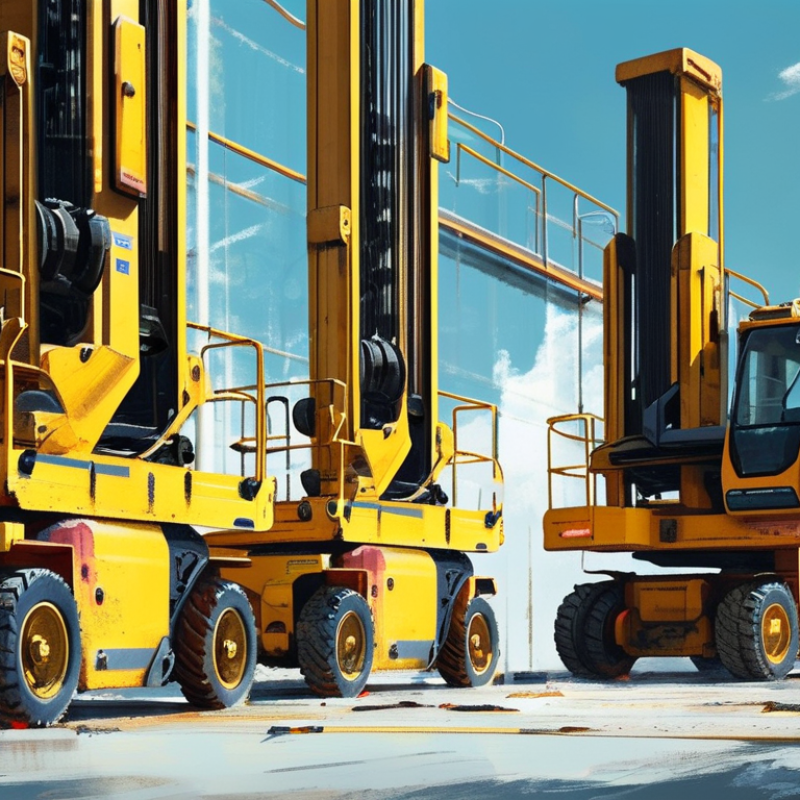
Industrial lifts play a vital role in modern industries, enhancing efficiency and safety during the movement of heavy materials. These machines are essential for warehouses, factories, and construction sites. They help reduce physical strain on workers and facilitate faster operations. However, their importance goes beyond mere convenience; they are crucial for maintaining a safe work environment.
Accidents involving industrial lifts can lead to severe injuries or fatalities. Proper training and adherence to safety protocols are essential. Regular inspections of equipment ensure everything operates safely and efficiently. An untrained operator may not recognize potential hazards, resulting in unforeseen accidents.
Safety precautions should always be a priority. Be aware of your surroundings when using lifts. Always wear appropriate protective equipment. Workers must understand load capacities to avoid overloading the lifts. Encourage open communication among team members to ensure everyone is aware of their responsibilities.
Industrial lifts are powerful tools that require respect and understanding. While they streamline processes, an accident can change lives forever. Therefore, ongoing training and strict safety measures can foster a culture of safety, emphasizing the importance of prevention in the workplace.
Industrial lifts are essential for enhancing productivity. However, they come with risks that can lead to serious accidents. Common types of accidents associated with industrial lifts include falls, tip-overs, and collisions. Falls often occur when workers are not properly secured. Tip-overs can happen if loads are unbalanced or if the lift operates on unstable ground. Collisions with objects or personnel can lead to injuries or damages. Awareness of these risks is key to maintaining a safe workplace.
Training is vital. Ensure all operators are proficient in lift safety protocols. Conduct regular maintenance checks to address potential hazards before they escalate. Awareness programs can help identify unsafe practices among workers. Always use the lift according to its specifications. Overloading a lift diminishes its stability.
Encouraging a culture of safety is crucial. Open discussions about near-misses can uncover hidden risks. Workers should feel empowered to report unsafe conditions or practices without fear. Continuous monitoring can help improve compliance with safety measures. Remember, safety should be a collective effort in every industrial setting.
Using industrial lifts poses significant risks if safety is not prioritized. Effective prevention strategies can greatly enhance safety during operations. Training workers on proper lift use is vital. Employees must understand the lift's specifications and capabilities. Regular maintenance checks help ensure the lift functions correctly. A malfunctioning lift can lead to accidents that might be fatal.
Frequent safety audits can identify potential hazards. Conducting risk assessments enables the team to address issues proactively. Emergency procedures should be well-documented and accessible. Workers must be familiar with these protocols. This not only prepares them for emergencies but also promotes a culture of safety.
Communicate openly about safety concerns. Encourage team members to report dangerous conditions or equipment. Ignoring minor issues can lead to severe accidents later. Proper use of personal protective equipment, like hard hats and harnesses, is also important. Small adjustments can make a significant difference. Prioritize safety. Reflect on past incidents to prevent future ones.
Regulatory standards play a critical role in ensuring safety when using industrial lifts. These guidelines are designed to minimize the risks of accidents. Organizations must comply with local and international regulations. Familiarity with these standards promotes safer work environments. Ignoring these regulations can lead to serious injuries.
Regular inspections are essential. Equipment must be checked routinely to ensure it meets safety standards. Operators should be trained on procedures. They need to understand the limitations of the lift and how to operate it safely. This not only protects the workers but also enhances overall productivity.
Engaging employees in safety discussions can spark improvements. Feedback about potential hazards is invaluable. Encourage a culture of reporting near misses. This proactive approach can prevent future accidents. Regular drills can also help workers respond effectively in emergencies. Safety does not happen by chance; it requires constant attention and effort.
Training and awareness programs for lift operators are essential in industrial settings. Inadequate training is a leading cause of accidents involving lifts. According to a report by the Occupational Safety and Health Administration (OSHA), nearly 25% of all lift-related injuries occur when operators lack proper training. Clear understanding of machine functions helps prevent accidents. A well-designed training program can significantly lower these risks.
Regular training refreshers are crucial as well. Workers often forget protocols over time. A study shows that continuous education can reduce accidents by up to 40%. Workers should engage in hands-on training sessions. Simulated scenarios can prepare them for real-life situations, ensuring they respond effectively. Effective communication about safety procedures also enhances workplace safety.
Another important aspect is awareness among all personnel. Even ground staff should understand lift operations. Miscommunication can lead to accidents. Statistics indicate that nearly 30% of lift-related incidents involve individuals not directly operating the equipment. Creating a culture of safety requires everyone’s involvement. Regular safety meetings and workshops can reinforce the importance of collective responsibility.
This bar chart illustrates the importance levels of various factors contributing to accident prevention while using industrial lifts. Operator training and regular maintenance are identified as the most crucial aspects, emphasizing the need for comprehensive training and adherence to safety protocols.
: Common risks include falls, tip-overs, and collisions. Falls happen when workers aren't secured.
Ensure all workers are properly secured. Training on safety protocols is crucial to avoid falls.
Regular maintenance ensures lifts function properly. A malfunctioning lift can lead to serious accidents.
Workers should report unsafe conditions without fear. Open communication helps identify and address risks.
Encourage discussions about near-misses. This can reveal hidden risks and promote vigilant safety practices.
Personal protective equipment, like hard hats and harnesses, is important for worker safety. Small adjustments matter.
Frequent safety audits identify potential hazards. These proactive steps prevent severe accidents from occurring.
Training workers on lift use is vital. Understanding specifications and capabilities minimizes risks during operations.
Emergency procedures should be documented and accessible. Familiarity with these protocols prepares workers for emergencies.
Reflecting on past accidents helps identify areas for improvement. Learning from mistakes is key to preventing future issues.
Industrial lifts play a crucial role in modern industries by facilitating the movement of heavy materials and improving operational efficiency. However, they are also associated with various accidents, including falls, collisions, and improper use. To ensure the safety of personnel and equipment, it is vital to implement effective prevention strategies. This includes adhering to regulatory standards, conducting regular maintenance, and ensuring that lift operators are well-trained and aware of safety protocols.
Knowing how to prevent accidents when using industrial lifts is essential for creating a safe work environment. Key strategies include rigorous training programs for operators, regular safety audits, and fostering a culture of safety awareness among all personnel involved in lift operations. By prioritizing these measures, industries can significantly reduce the risk of accidents and enhance overall safety in the workplace.

Progan Lift