Top 10 Ways to Improve Efficiency with Material Handling Equipment?

Time:2026-09-05 Author:Charlotte
0%

In today's fast-paced industrial environment, understanding how to improve efficiency with material handling equipment is crucial. Efficient material handling not only streamlines operations but also significantly reduces costs. Companies must rethink their processes to enhance productivity.

Consider the varying types of handling equipment available. Choosing the right tools can make a tangible difference. For instance, using automated systems can minimize human error and speed up workflows. Yet, not all businesses implement these solutions effectively. Many still rely on outdated methods, leading to inefficiencies.

Moreover, the training of staff plays a vital role. Ensure that employees understand how to utilize these tools effectively. Without proper training, the benefits of new equipment may not be fully realized. It's essential to strike a balance between technology and skilled labor to truly reap the rewards of improved efficiency.
Top 10 Ways to Improve Efficiency with Material Handling Equipment?

Choosing the Right Material Handling Equipment for Your Operations

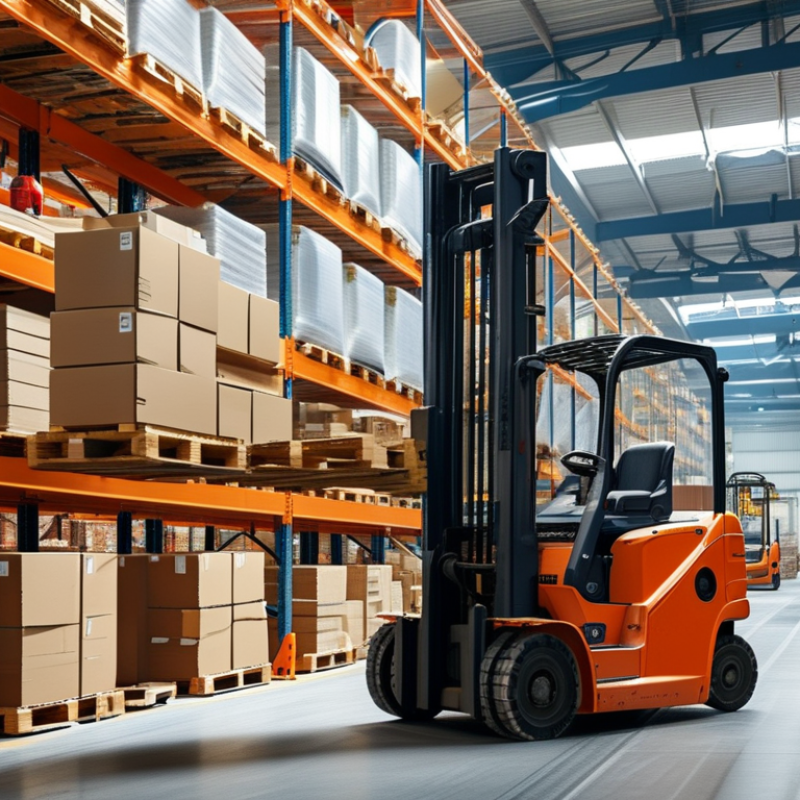
Choosing the right material handling equipment is key to boosting operational efficiency. Assess your specific needs before making any decisions. Understanding the types of materials you handle will guide your choice. For instance, heavier loads require sturdy forklifts, while lighter items may suit conveyor systems.

Consider the layout of your facility as well. Narrow aisles may not accommodate large machinery. Flexibility in equipment is crucial. If your operations change frequently, modular equipment can adapt easily. Regular training for staff on new equipment is also essential. This practice reduces the risk of accidents and enhances productivity.

Investing in the right equipment is not just about purchase costs. Maintenance is another critical factor. Equipment can fail unexpectedly, leading to delays. A reliable maintenance schedule will help prevent these issues. Take time to evaluate options before choosing. Don't rush this process; it can prevent future challenges.

Implementing Automation to Streamline Material Movement Processes

Implementing automation in material handling can significantly enhance efficiency and productivity. When companies integrate automated systems, they reduce human error and speed up processes. For instance, using automated guided vehicles (AGVs) can streamline the movement of materials within warehouses.

Consider assessing your current processes. Identify repetitive tasks where automation could save time. It’s essential to focus on tasks that consume a lot of manual effort. By making strategic investments in automation technologies, businesses can optimize their workflows, leading to better allocation of resources.

Evaluate the layout of your workspace. An optimal design will facilitate smoother flow and minimize obstructions. Examine the paths materials take. Look for opportunities to automate transfers between stations. Investing in smart shelving or conveyor systems can also reduce bottlenecks and improve handling time.

Regularly review and adjust your systems. Automation isn't a one-time fix. Continuous evaluation ensures that technology keeps pace with your operational needs. Adaptability is crucial in maintaining efficiency. Prioritize regular training for staff on new systems to maximize benefits from automation.

Regular Maintenance Practices to Enhance Equipment Lifespan and Efficiency

Regular maintenance practices are crucial for maximizing the efficiency of material handling equipment. Consistent checks can reveal minor issues before they escalate. A small hydraulic leak, for example, can lead to major inefficiencies over time. Operators should report unusual sounds or performance dips during daily checks.

Scheduled inspections help identify wear and tear. For instance, worn-out belts may not convey materials effectively. Replacing these before they fail can prevent downtime. Cleaning equipment also plays a vital role. Dust and debris can hinder performance, making it harder for machines to operate smoothly.

It's important to train staff on proper handling techniques. Improper use can lead to unnecessary stress on equipment. Encourage team members to use machinery in accordance with guidelines. Reflecting on past maintenance records can help improve future practices. Neglecting this may mean repeated issues, increasing repair costs and downtime. Prioritizing maintenance leads to a more reliable operation in the long run.

Training Employees on Best Practices for Material Handling Techniques

Training employees in best practices for material handling is crucial for any organization. Proper training not only improves efficiency but also enhances safety. When workers understand the right techniques, they are less likely to incur injuries. Understanding ergonomic principles can minimize strain and fatigue.

Interactive sessions can engage employees more effectively. Hands-on training allows workers to practice techniques directly with equipment. This helps them remember the right steps in real-world scenarios. Regular refreshers can keep skills sharp, as forgetting is common over time. Providing feedback on their handling techniques encourages continuous improvement.

Employees may initially struggle with new practices, which is part of the learning process. It's essential to foster a culture where asking questions is encouraged. A space to discuss challenges helps workers feel supported. Observing peers can also inspire more efficient methods. Discussing mistakes openly can lead to better strategies for everyone involved.

Establishing a Smart Inventory Management System with Equipment Integration

Establishing a smart inventory management system hinges on integrating material handling equipment effectively. This approach can streamline operations and eliminate common inefficiencies. Start by analyzing current workflows. Identify bottlenecks where manual processes slow down inventory movement. Integrating automated equipment like conveyors or pallet jacks can drastically enhance speed. These systems reduce the need for labor-intensive tasks and minimize errors.

Another crucial aspect is real-time data tracking. Equip your machinery with sensors to gather data on inventory levels, movement speed, and order processing times. This data creates a transparent view of operations, allowing managers to make informed decisions. Sometimes, equipment may not sync perfectly with existing systems. Regular audits can spotlight these issues and guide improvements.

Training is essential for staff to adapt to new technology. Frequent hands-on sessions may reveal that some employees struggle with the new equipment. Open dialogues can help address concerns and build confidence. Acknowledging these challenges is vital for a smooth transition. Combining technology with a responsive workforce maximizes efficiency.

FAQS

: Why is it important to choose the right material handling equipment?

: Choosing the right equipment boosts operational efficiency and reduces future challenges during operations.

How can facility layout influence equipment choice?

Narrow aisles limit the use of large machinery, so it's essential to assess the layout before choosing equipment.

What should be considered alongside the purchase cost of equipment?

Maintenance costs and schedules are critical to avoid unexpected delays and equipment failures.

How can proper training impact employee safety?

Training in best practices reduces injury risks and enhances efficiency by teaching the right handling techniques.

What are some effective training methods for employees?

Hands-on training and interactive sessions engage employees better, helping them remember the correct techniques.

What role does real-time data tracking play in inventory management?

It creates transparency in operations and helps managers make informed decisions about inventory levels and movement.

How can organizations foster a culture of continuous improvement?

Encouraging questions and discussing mistakes openly creates a supportive environment for improving handling techniques.

What challenges might employees face when adapting to new equipment?

Some employees may struggle with new technologies, which is a common part of the learning process.

Why is feedback important in training sessions?

Providing feedback helps employees refine their techniques and encourages ongoing skill development.

What should be done if equipment does not integrate well with existing systems?

Regular audits can identify issues and guide necessary adjustments for smoother integration.

Conclusion

To improve efficiency with material handling equipment, it is essential to start by selecting the right equipment that suits your specific operations. Once the appropriate machinery is in place, implementing automation can significantly streamline material movement processes, reducing time and labor costs. Regular maintenance practices should be established to enhance the lifespan and efficiency of the equipment, ensuring reliable operation.

Additionally, training employees on best practices for material handling techniques can lead to safer and more effective operations. Integrating a smart inventory management system with the equipment can further boost overall productivity by facilitating better tracking and management of materials. By following these steps, businesses can effectively learn how to improve efficiency with material handling equipment and optimize their operational workflows.

Charlotte

Charlotte

Charlotte is a seasoned marketing professional with a deep understanding of the company's portfolio and a passion for elevating its presence in the market. With a keen eye for detail and a commitment to excellence, she ensures that our professional blog is regularly updated with insightful articles......