How to Integrate Lifting Equipment into Smart Warehouses?

Time:2026-07-17 Author:Madeline
0%

As industries advance, warehouses evolve into smart environments. A key challenge is how to integrate lifting equipment into smart warehouses. Lifting equipment plays a crucial role in enhancing efficiency. However, the integration process is not straightforward. It demands careful planning and expertise.

Successful integration requires understanding both equipment capabilities and warehouse needs. Choosing the right lifting devices is essential. Wireless technology can improve communication between equipment and warehouse management systems. Yet, this transition can reveal unforeseen complications. Staff training is vital to optimize new systems. Without proper training, technology may not reach its full potential.

Many companies still face hurdles during this integration journey. Cost concerns and resistance to change often arise. It's crucial to approach these challenges with a clear strategy. Acknowledging potential issues early can lead to better solutions. Learning from each integration attempt fosters growth and resilience.
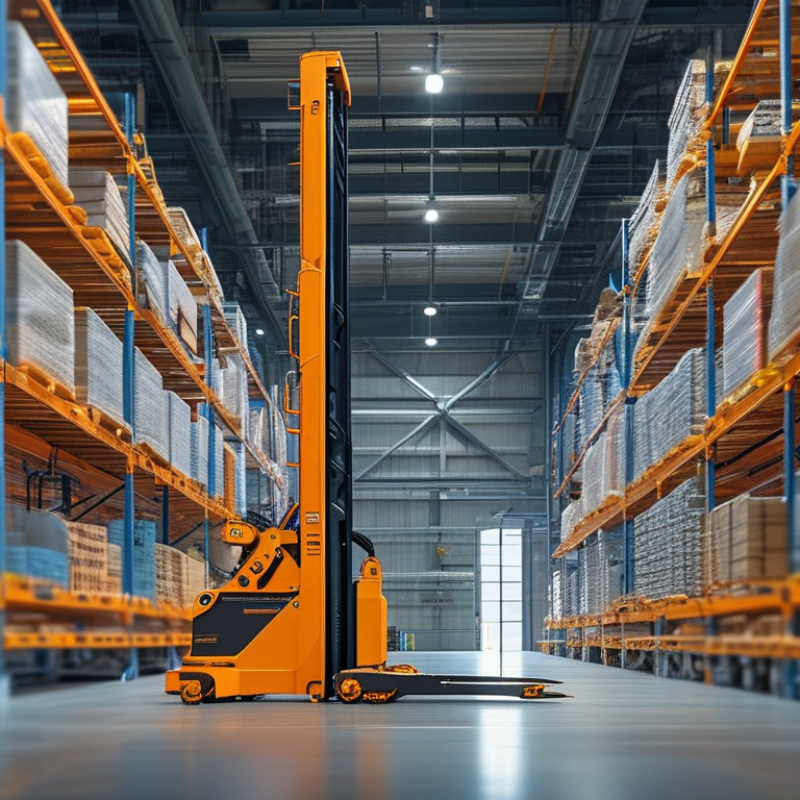
How to Integrate Lifting Equipment into Smart Warehouses?

Understanding the Role of Lifting Equipment in Smart Warehousing

The integration of lifting equipment in smart warehouses plays a vital role in optimizing warehouse operations. According to a report by the Material Handling Industry of America, the use of automated lifting solutions can increase productivity by up to 30%. These automated systems not only reduce manual labor but also minimize the risk of injuries associated with heavy lifting. Smart warehouses rely on robotics and advanced lifting equipment to streamline processes.

Implementing lifting equipment allows for seamless data collection and analysis. With IoT integration, these machines can communicate their performance metrics in real-time. This capability enables warehouse managers to make informed decisions. The potential for predictive maintenance is particularly noteworthy. A forecast by the McKinsey Global Institute suggests that such advancements could lead to cost savings of around 20% in operational expenses.

Yet, integrating such technology is not without challenges. Workers may resist transitioning to automated systems, fearing job loss. Furthermore, training staff to work alongside advanced machinery is crucial. This transition can create initial operational hindrances. Maintaining a balance between human oversight and automation remains a critical consideration in the evolution of smart warehousing.

Integration of Lifting Equipment in Smart Warehouses

This chart illustrates the efficiency improvements observed in smart warehouses through the integration of various types of lifting equipment over the past year. The data represents the percentage increase in productivity for different equipment types used in smart warehousing environments.

Key Technologies for Integrating Lifting Equipment in Smart Systems

Integrating lifting equipment into smart warehouses requires a deep understanding of key technologies. Automation and data analytics play critical roles. According to a report by Logistics Management, over 70% of warehouses are implementing automation strategies. This shift creates opportunities to enhance efficiency and reduce operational costs.

One key technology is the Internet of Things (IoT). IoT sensors can monitor equipment performance in real-time. This leads to timely maintenance and minimizes downtime. A study by Allied Market Research estimated that IoT in logistics could reach $70 billion by 2027. This reflects the growing reliance on connected devices in warehouse environments.

Artificial Intelligence (AI) also plays a pivotal role in optimizing operations. AI algorithms analyze massive data sets, predicting usage patterns for lifting equipment. This helps in decision-making regarding equipment allocation and scheduling. However, there are challenges. Integrating these advanced technologies requires significant investment and expertise. As operations become increasingly reliant on technology, ensuring cybersecurity and data reliability becomes essential. Warehouses must carefully strategize their technology implementation roadmap for maximum effectiveness.

Benefits of Automating Lifting Equipment in Warehouse Operations

The integration of lifting equipment into smart warehouses brings significant advantages. Automating these systems enhances efficiency and reduces labor costs. According to a 2022 report from the Warehousing Automation Association, companies saw a 30% increase in operational efficiency after adopting automated lifting solutions. This shift allows for faster handling of goods and reduces the risk of human error.

Additionally, the use of automated lift systems leads to improved safety. The National Safety Council found that automated lifting reduces workplace injuries by up to 40%. Workers are less exposed to heavy lifting tasks, which can lead to fatigue and accidents. This creates a more secure environment for employees and boosts overall morale.

However, the transition is not without challenges. Organizations must focus on training employees to work alongside automated systems. There can be a learning curve, and many workers may feel apprehensive about new technology. Adequate planning and onboarding processes are crucial. Moreover, initial investments in automation technology can be steep. Companies must assess the long-term benefits against these upfront costs. Balancing technology with human insight is essential for success.

Challenges and Solutions in Integrating Lifting Equipment with IoT

Integrating lifting equipment into smart warehouses poses several challenges. One major issue is ensuring compatibility with existing IoT systems. Lifting equipment often relies on specific protocols. These protocols may not communicate effectively with newer technologies. This mismatch can lead to delays in data processing and inventory management.

Additionally, safety concerns arise when integrating lifting machinery with IoT. Automated systems can malfunction or fail to respond in time. Ensuring that lifting equipment adheres to safety standards is crucial. Regular audits and updates are necessary. Personnel training in both safety protocols and equipment operation forms a vital part of this transition.

On the other hand, solutions do exist to enhance the integration process. Implementing middleware can bridge communication gaps between different systems. Using standardized technologies enables better interaction among devices. Investing in robust data analytics can also predict equipment maintenance needs. This proactive approach reduces downtime, though it requires continuous monitoring and adjustment. Mistakes in integration can prove costly, necessitating an ongoing commitment to refinement and adaptation.

Future Trends for Lifting Equipment in Advanced Warehouse Automation

The integration of lifting equipment into smart warehouses is becoming crucial. Advanced warehouse automation trends indicate a significant shift toward the seamless interaction of technology and machinery. According to a report by Research and Markets, the global warehouse automation market is forecasted to reach $30 billion by 2026. This indicates a growing focus on efficiency and reduced operational costs, where lifting equipment plays a pivotal role.

As facilities adopt automated guided vehicles (AGVs) and robotic arms, lifting equipment must keep pace. These devices are designed to enhance productivity but require careful integration. A study by McKinsey highlights that warehouses employing automation can achieve up to 30% higher efficiency. However, challenges remain. Workers must adapt to new technologies, and safety protocols need constant updating, which may not always align with operational goals.

Tip: Regular training sessions can help workers comfortably integrate new lifting equipment. Ensure personnel understands both the benefits and risks involved.

Another consideration is data management. Smart lifting equipment generates vast amounts of data. This data can improve performance but needs effective systems for analysis. Industry forecasts suggest that predictive maintenance could save companies nearly $630 billion globally by 2025. Relying solely on technology without human oversight can lead to unexpected failures, highlighting the importance of a balanced approach.

Tip: Implement a feedback system where workers can report issues with lifting devices. Their insights are invaluable for continuous improvement.

FAQS

: What is the impact of lifting equipment on warehouse operations?

: Lifting equipment can increase productivity by up to 30%. It reduces manual labor and minimizes injury risks.

How does IoT benefit lifting equipment in warehouses?

IoT enables real-time communication of performance metrics. This aids managers in making informed decisions promptly.

What are the potential cost savings from advanced lifting equipment?

Predictive maintenance could lead to around 20% savings in operational expenses. This is significant for budget management.

What challenges do warehouses face when integrating lifting equipment?

Workers may resist automation, fearing job loss. Training is essential for staff to adapt to new machinery.

How does AI enhance the use of lifting equipment?

AI analyzes data to predict usage patterns. This helps with effective equipment allocation and scheduling.

What is a key concern when implementing advanced technologies?

Cybersecurity is crucial. Risks increase as warehouses rely more on technology and connected devices.

How many warehouses are implementing automation strategies?

Over 70% of warehouses are adopting automation. This shift aims to enhance efficiency and cut operational costs.

What is a downside of using automation in warehouses?

The transition to automated systems can create operational hindrances. It requires careful planning and management.

Why is training important in smart warehousing?

Staff need to learn how to work alongside advanced machinery. Proper training minimizes operational disruptions.

What does integrating lifting equipment require?

It needs a deep understanding of technology, investment, and expertise. A strategic approach is essential for success.

Conclusion

The integration of lifting equipment into smart warehouses is crucial for enhancing operational efficiency and productivity. Understanding the role of lifting equipment is the first step, as it forms the backbone of material handling in automated environments. Key technologies such as IoT sensors and automation software play a vital role in how to integrate lifting equipment into smart warehouses, enabling seamless communication and coordination between devices.

Automating lifting equipment presents numerous benefits, including reduced labor costs, improved safety, and increased accuracy in handling goods. However, challenges such as interoperability and data security must be addressed to achieve effective integration. Solutions involve leveraging advanced analytics and standardized protocols. Looking ahead, future trends indicate a growing reliance on AI and machine learning to further optimize the functionality of lifting equipment within advanced warehouse automation, paving the way for smarter, more responsive supply chains.

Madeline

Madeline

Madeline is a dedicated marketing professional with a wealth of expertise in our company's core offerings. With a keen understanding of the industry, she brings a unique perspective to her role, consistently delivering high-quality content that highlights the superior aspects of our products. As......