When people ask, “what are the benefits of electric lifting systems”, they often expect a simple list. The real answer depends on the workplace, load, duty cycle, and operator needs. Electric lifting systems use powered motors, controls, and lifting mechanisms to reduce manual effort. In warehouses, workshops, clinics, and production lines, this difference can appear within one shift. A button press can raise a motor, position a work platform, or move a loaded trolley with steady control. Small changes matter.
Their main advantages include improved handling consistency, reduced physical strain, and more precise positioning. Electric power can support smoother starts and stops than rushed manual movement. This may help protect products, fixtures, and nearby surfaces. Variable-speed controls can make delicate alignment easier around machinery or narrow benches. Some systems include overload protection, limit switches, emergency stops, and diagnostic displays. These features do not remove risk. Correct installation, inspection, training, and maintenance remain essential. A poorly selected lift can waste energy and create new hazards.
From an operational perspective, electric lifting may improve workflow by reducing waiting time and supporting repeatable tasks. Battery-powered models offer flexibility where fixed power is unavailable. Wired units may suit continuous indoor use. Noise, charging time, floor conditions, and service access still deserve attention. The most powerful model is not always the best choice. The right system should match the load, travel distance, frequency, and safety requirements. This guide examines practical benefits, limitations, and selection considerations. Some marketing claims may be overstated. Real performance should be checked against manufacturer specifications, workplace observations, and qualified professional advice.
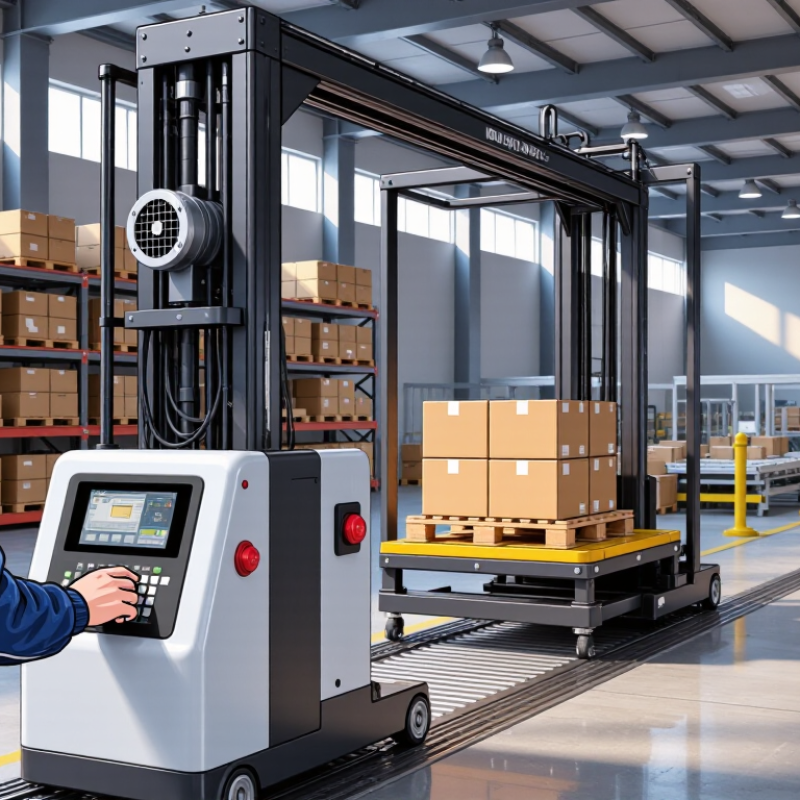
Electric lifting systems convert electrical power into controlled vertical movement. A powered hoist can raise materials steadily, reducing strain during repetitive handling. In a workshop, a load may stop precisely above a workbench. That control helps in narrow spaces. Electric drives also support smoother starting and braking. Less swinging means fewer corrections. Operators can focus on alignment instead of fighting momentum. Not magic. Poor setup still creates hazards.
The rated load is a working limit, not a performance goal. It includes the lifted object, hooks, slings, clamps, and other attachments. A hoist rated for 1,000 kilograms may not safely lift that weight in every configuration. The supporting structure, lifting angle, duty cycle, and travel speed also matter. Qualified technicians should check the load path and equipment records before operation. Rated-load markings must remain visible and readable. This detail is easy to overlook.
Electric drives can improve productivity by offering repeatable speed and controlled positioning. Pendant controls or approved remote controls may keep operators away from pinch points. However, faster movement is not always better. Sudden acceleration can damage fragile goods or increase load sway. Maintenance teams should inspect brakes, cables, chains, limit devices, and connection points at planned intervals. Keep records. Real conditions often differ from installation drawings. A thoughtful review may reveal that the selected capacity is technically adequate, but poorly suited to frequent cycling, dust, heat, or uneven loading.
Electric Lifting Systems: Powered Hoists, Drives, and Rated Loads
Powered hoists can reduce manual lifting effort and provide consistent, controlled movement. This chart shows the ideal mechanical power needed to raise example loads at a constant speed of 0.1 m/s, calculated using power = mass × gravitational acceleration × lifting speed. Actual electrical input will be higher because of motor and drivetrain losses. Always use equipment within its rated load.
An electric lifting system can spend much of its working life starting, stopping, and holding loads. The motor’s efficiency affects how much electrical energy becomes useful motion and how much is lost as heat. It adds up. In a busy workshop, even small losses repeated across many lifting cycles can matter.
IEC 60034-30-1 assigns efficiency classes to specified AC motors. IE3 is the premium-efficiency class, indicating lower motor losses than IE2 under the standard’s test conditions. When comparing motors, check the rated power, speed, and duty requirements, not just the IE label. A hoist motor must also deliver suitable starting torque and withstand frequent starts. Efficiency alone is not enough.
The class describes the motor, not the complete lifting system. Controls, gearing, braking, load weight, and operator habits also influence energy use. Variable-speed operation may help match motor speed to the task, but its real benefit depends on the drive and application. For example, a lift that pauses often may behave differently from one running steadily. Site measurements can reveal this, though they take time. I would treat IE3 as a useful comparison point, not a promise of a fixed bill reduction.
Electric lifting systems can reduce the force workers use to raise, lower, or position heavy loads. That matters. NIOSH’s Revised Lifting Equation sets a 23 kg load constant for ideal lifting conditions. It is a starting value, not a universal safe limit. NIOSH adjusts the recommended weight downward for reach distance, twisting, lift height, repetition, and grip quality. A 20 kg carton held far from the body may therefore pose greater risk than a closer load. The distinction is easy to miss.
NIOSH’s Applications Manual for the Revised Lifting Equation (1994) describes how these factors change the recommended weight limit. Electric hoists and powered lift tables can help by carrying much of the load, especially during repeated transfers. The operator still needs to position the load carefully. A poorly placed control or a sudden swing can create new hazards. The U.S. Bureau of Labor Statistics reported about 2.6 million nonfatal workplace injury and illness cases in private industry for 2023; that figure is not limited to lifting injuries, but it shows why prevention deserves attention. In practice, measure the task, not just the object’s weight. One awkward reach can undo some of the benefit.
| Dimension | Evidence-Based Detail | Why It Matters |
|---|---|---|
| Reduced manual lifting effort | Powered lifting systems can raise, lower, or position loads using a motorized mechanism, reducing the force workers need to apply directly. | Less forceful manual handling may help reduce physical demands, particularly during repeated or awkward lifts. |
| NIOSH Load Constant (LC) | The Revised NIOSH Lifting Equation uses a 23 kg (51 lb) load constant as its starting value under ideal lifting conditions. | The LC is not a universal safe lifting limit. The recommended weight is adjusted for the conditions of each lift. |
| Recommended Weight Limit (RWL) | NIOSH calculates the RWL using: RWL = LC × HM × VM × DM × AM × FM × CM. The multipliers account for horizontal reach, hand height, travel distance, twisting, lifting frequency, and hand-to-object coupling. | As lifting conditions become less favorable, the calculated RWL can fall below 23 kg. |
| Horizontal reach | The horizontal multiplier is based on the distance between the worker’s body and the hands. Greater reach generally lowers the calculated RWL. | Electric positioning equipment can help bring a load closer before it is handled, when properly selected and used. |
| Twisting and asymmetry | The NIOSH equation reduces the RWL when a lift involves trunk rotation or an asymmetrical lifting posture. | Powered turning or positioning may help limit manual twisting, but the work area and task still need assessment. |
| Repetition and duration | The equation’s frequency multiplier considers lifting frequency, task duration, and hand height. | Mechanical assistance can reduce repeated manual lifting demands; task design should also consider work pace, recovery time, and total exposure. |
| Load control and placement | Electric lifting devices can provide controlled movement for raising or lowering compatible loads within the equipment’s rated capacity. | Controlled placement may make handling more manageable. Operators must follow the device’s instructions and keep clear of suspended loads. |
| Safety assessment | The NIOSH Lifting Equation applies to selected two-handed lifting tasks; it does not evaluate every material-handling activity or replace a full workplace risk assessment. | Choose equipment based on the load, task, environment, worker needs, and applicable safety requirements. |
| Key takeaway | Electric lifting systems can reduce direct manual effort, while the NIOSH 23 kg constant is only the starting point of a task-specific calculation. | Use mechanical assistance where appropriate and assess the complete lifting task rather than relying on a single weight value. |
Electric lifting systems can make overhead crane work more controlled, repeatable, and less physically demanding. Electric motors support smoother starts and stops, reducing sudden load movement near workers or stored materials. Pendant controls and emergency stopping devices can also improve operator response. However, powered movement does not replace careful planning. A fast lift can still become unsafe when the load weight is uncertain.
OSHA 1910.179 requires the crane’s rated capacity to be clearly marked on each side. The marking must be legible from the floor or ground. Each hoisting unit also needs its safe working load identified when multiple units operate on one crane. This detail matters during busy shifts, especially when operators change or lighting is poor. A faded label, blocked sign, or missing marking should not be treated as a minor defect.
Keep it visible.
Before lifting, compare the load weight with the marked capacity, including attachments and below-the-hook equipment. Check hooks, wire rope, brakes, controls, and limit devices according to the employer’s inspection program. Electric lifting systems may include overload protection, but those features are not permission to exceed the rated load. A cautious operator should stop when the weight, label, or equipment condition is unclear. In practice, rushed decisions still happen, and that is where training and supervision need improvement.
Duty and service planning should begin with ISO 4301-1, not motor size. The standard classifies cranes from A1 to A8 by total working cycles and load spectrum. A1 suits light, occasional service. A8 indicates intensive operation with frequent heavy loads. Duty class matters.
Electric lifting systems match these demands more precisely. Variable-speed drives support smooth starts, controlled positioning, and reduced shock on gears, ropes, and structures. Regenerative braking can return energy during lowering or deceleration.
The International Energy Agency reports that electric motors consume about 45% of global electricity, making efficient control important across industrial equipment. In practice, accurate control may also reduce unnecessary repositioning and idle movement.
Planning must use real operating details. A crane moving empty hooks for most of a shift may not need the same selection as one lifting near rated capacity repeatedly. ISO 4301-1 therefore requires more than counting lifts. The estimated load spectrum and total operating time both matter. A neat A-class label can still mislead.
Maintenance records should track starts per hour, average load, peak load, travel distance, and brake cycles. The U.S. Department of Energy’s motor-system guidance emphasizes measurement before efficiency upgrades. That advice applies here. Sensors and drive diagnostics can reveal overheating or abnormal starts before failure, but they are not a substitute for inspection. Some planning assumptions will be wrong. Review them after several months of actual operation.
IE3 is a premium-efficiency class, with lower motor losses than IE2 under specified test conditions. It is a useful comparison point, not a guarantee of lower bills.
Not always. Controls, gearing, braking, load weight, and operating habits also affect energy use. Site measurements can help, but they take time.
Compare rated power, speed, and duty requirements. The motor also needs suitable starting torque and the ability to handle frequent starts.
It may help match motor speed to a task. The benefit depends on the drive and application; frequent pauses can change the results.
The capacity should be clearly marked on both sides of the crane and readable from the floor or ground. Keep it visible.
Compare the load weight with the marked capacity, including attachments and below-the-hook equipment. A rushed estimate can still be wrong.
Follow the employer’s inspection program for hooks, wire rope, brakes, controls, and limit devices. A faded label matters, too.
No. Protection features are not permission to exceed the marked load. Stop if the weight, label, or equipment condition is unclear.
What are the benefits of electric lifting systems? These systems use powered hoists and drive mechanisms to move loads with greater consistency, control, and efficiency than manual lifting. When equipped with suitable motors, including IE3 efficiency classes under IEC 60034-30-1, they can help reduce energy consumption during regular operation. Electric lifting also lowers the physical effort required from workers, supporting safer material handling and reducing exposure to excessive manual strain. The NIOSH 23 kg load constant provides a useful reference when considering the risks associated with lifting tasks.
In overhead crane applications, electric lifting systems can improve safety when equipment is clearly marked with its rated capacity, as required by OSHA 1910.179. Proper planning is also essential: ISO 4301-1 classifies crane duty groups from A1 to A8, helping users select equipment according to operating frequency, load intensity, and expected service life. By combining efficient power, controlled movement, capacity awareness, and appropriate duty planning, electric lifting systems can support safer, more productive, and more reliable lifting operations.

Progan Lift