Lift safety compliance means keeping elevators and other lifting equipment safe throughout their working life—not merely passing an inspection. It brings together routine maintenance, competent inspections, clear operating procedures, staff training, and timely repairs. Requirements vary by location and equipment type, so owners should confirm which standards apply and follow the manufacturer’s instructions. Details matter: a worn door interlock, an unreliable alarm, or a maintenance entry without a date can signal a problem that paperwork alone will not solve.
A useful question is how to ensure compliance with lift safety standards while keeping daily operations practical. Elevator engineering scholar Dr. Albert So’s perspective can be paraphrased this way: “Lift safety depends on sound engineering, careful maintenance, and people who take their responsibilities seriously.” This is a paraphrase, not a verified verbatim quotation. In practice, that means assigning responsibilities, keeping inspection and repair records, responding promptly to reported faults, and checking that contractors are qualified for the work. Records should show what was checked, what was found, and how defects were addressed. Keep them accessible.
A checklist helps. It is not a guarantee. Staff may overlook a fault, or a repair may need follow-up. Regularly review near misses, recurring defects, and delayed actions. Those details can reveal gaps before they become serious. A reliable compliance program is not perfect; it is documented, reviewed, and improved when evidence shows something is not working.
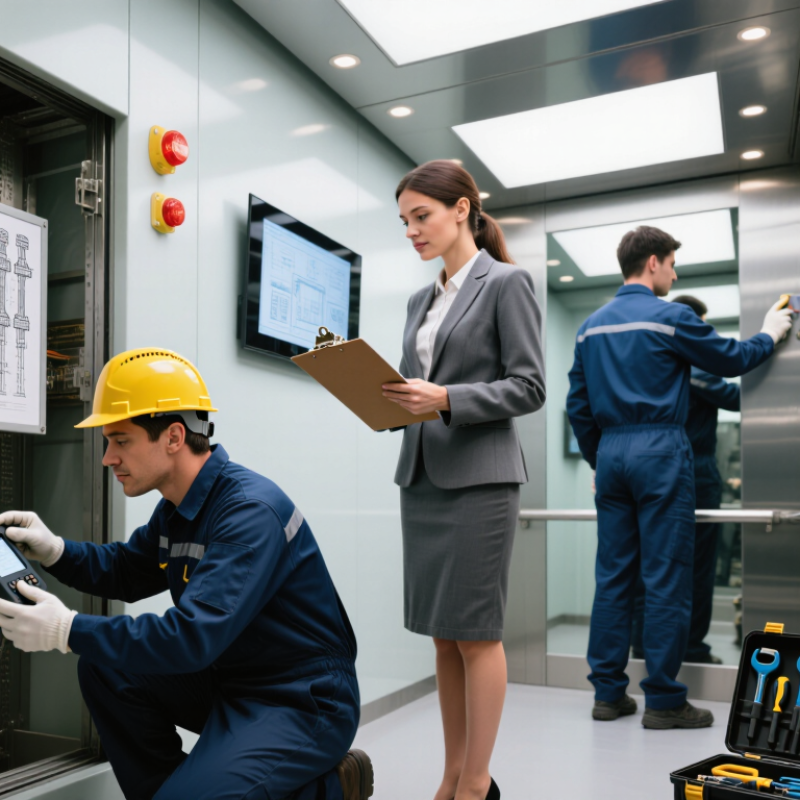
What Is Lift Safety Compliance and How to Ensure It?
What Lift Safety Compliance Means and Why It Matters
Lift safety compliance means keeping equipment, operators, and work practices aligned with applicable standards, manufacturer instructions, and site procedures. It includes documented inspections, timely repairs, operator training, and clear rules for setup and use. The details matter: a loose gate latch or soft tire can change a routine task into a serious hazard.
NIOSH’s 2003 alert reviewed 26 worker deaths involving aerial lifts from 1992 to 1999. Twenty workers fell, four were electrocuted, and two were caught between objects. These figures are historical, not a measure of today’s risk, but they show how varied lift hazards can be. Compliance helps teams spot risks before raising a platform, especially near overhead lines, uneven ground, or moving vehicles. Paperwork alone is not enough. A checklist can miss what a rushed worker sees—or fails to see.
Tips: Before each shift, check controls, guardrails, tires, alarms, and visible damage. Confirm the ground is stable and the work area is clear. Keep inspection records, and remove questionable equipment from service until it is assessed. Pause when conditions change. Even experienced crews can overlook a small warning sign.
Lift safety compliance is not governed by one worldwide rulebook. Requirements depend on a lift’s location, type, installation date, and use. In North America, many jurisdictions adopt ASME A17.1/CSA B44, often with local amendments. In Europe, the EN 81 series covers lift design, installation, and safety, while national rules determine enforcement. ISO 8100 standards may also inform technical practice, but they do not automatically replace local law.
Building, fire, electrical, accessibility, and workplace requirements may apply too. Owners should confirm which code edition the local authority has adopted. Inspection intervals and certification procedures differ. A lift in a public building may have different requirements from one in a private home. Keep inspection reports, maintenance records, defect notices, and repair dates together. Missing paperwork is a real problem; compliance must be demonstrated, not assumed. A qualified lift professional can help interpret requirements, while the local regulator or inspection body confirms what applies. Rules change, and older equipment may have transition provisions.
Tips: Check the lift’s location and use, then ask the local regulator which standards apply. Keep a logbook near the machine room. Record small faults, too. They can reveal patterns before a shutdown. A service sticker alone may not show the full inspection history.
| Compliance Area | Regulations or Standards | What They Address | Practical Compliance Actions and Records |
|---|---|---|---|
| United States and Canada: design, installation, and alteration | ASME A17.1/CSA B44, where adopted by the relevant authority having jurisdiction | Safety requirements for elevators and related equipment, including design, installation, alteration, and certain operational safeguards. The adopted code and edition can differ by location. | Confirm the locally adopted code and edition; obtain required permits and approvals; retain design, installation, alteration, test, and acceptance-inspection records. |
| Existing elevators in the United States and Canada | ASME A17.3 and local existing-elevator requirements, where adopted | Safety requirements for existing elevators. The extent of required upgrades depends on local adoption, building circumstances, and the authority having jurisdiction. | Check local retrofit rules and deadlines; document risk assessments, mandated upgrades, corrective work, and approvals. |
| European Union: placing a lift on the market | Directive 2014/33/EU on lifts; relevant harmonised EN standards, including EN 81-20 and EN 81-50 where applicable | The Lift Directive establishes essential health and safety requirements and conformity-assessment obligations for lifts and safety components within its scope. The EN standards provide technical specifications used to demonstrate conformity. | Use the applicable conformity-assessment procedure; compile technical documentation; issue the required EU declaration of conformity; apply CE marking when all applicable requirements are met. |
| Great Britain: lift supply and workplace use | Lifts Regulations 2016; Lifting Operations and Lifting Equipment Regulations 1998 (LOLER); Provision and Use of Work Equipment Regulations 1998 (PUWER), where applicable | The Lifts Regulations cover relevant product-safety and conformity requirements. LOLER and PUWER impose duties concerning the safe use and condition of work equipment, including lifts where they fall within scope. | Check the applicable conformity route and current rules; arrange competent-person thorough examinations under LOLER where required; keep examination reports and promptly address defects. |
| Accessibility | Local building and accessibility laws; in the United States, the 2010 ADA Standards for Accessible Design, including Section 407, where applicable | Accessibility provisions may specify elevator controls, signals, clearances, and other features for accessible use. Requirements depend on building type, jurisdiction, and applicable exceptions. | Verify accessibility requirements during design and alterations; inspect relevant controls, indicators, and clearances; retain design reviews and inspection evidence. |
| Electrical and fire-safety interfaces | Locally adopted electrical and fire codes; in the United States, NFPA 70 (National Electrical Code) and applicable fire-code provisions where adopted | Electrical installation, protection, wiring, and building fire-safety interfaces may be governed by separate codes in addition to lift-specific requirements. | Coordinate lift work with electrical and fire-safety professionals; verify required interfaces and tests; keep permits, test results, and inspection approvals. |
| Inspection, maintenance, and safe operation | Applicable lift code, local inspection rules, workplace-safety laws, and the equipment’s maintenance instructions | Inspection intervals, maintenance duties, and operating requirements are not universal; they depend on local law, lift type, use, and the rules adopted by the relevant authority. | Set a documented maintenance and inspection schedule; use competent personnel; record inspections, repairs, defects, shutdowns, and return-to-service checks; train relevant staff on emergency procedures. |
| Emergency readiness | Applicable local building, fire, workplace-safety, and lift-code requirements | Requirements may address alarm and communication systems, emergency lighting, rescue procedures, and coordination with emergency services. | Keep a site-specific rescue plan; test required communication and emergency systems; ensure staff know how to respond and do not attempt unsafe passenger rescues. |
Important: Lift requirements vary by country, state or province, municipality, building type, and equipment use. Confirm the current locally adopted rules, standards, editions, inspection intervals, and approval procedures with the authority having jurisdiction and qualified lift-safety professionals.
Lift safety compliance means keeping a lift safe to use, not simply passing an inspection. Requirements vary by location and equipment type, so building managers should follow applicable codes, the manufacturer’s instructions, and advice from qualified lift professionals. Inspections, maintenance, and repairs should be documented, with faults addressed before the lift returns to service.
Pay close attention to doors, brakes, alarms, and floor leveling. A door that closes too quickly can strike a passenger; a misaligned car can cause someone to trip while stepping in or out. Overloading, damaged cables, faulty sensors, and blocked machine-room access are also serious hazards. Keep landing areas clear, display load limits, and make sure emergency communication devices work. Never ask untrained staff to attempt a rescue.
Train staff to report unusual noises, jerky movement, or doors that reopen repeatedly. Stop using a lift when a safety concern is identified, and arrange assessment by a qualified technician. Keep a clear response plan for trapped passengers. Small details matter. A missed log entry may seem harmless, but it can hide a recurring fault. I would review incident records regularly; patterns are easy to overlook when each complaint seems minor.
A lift can appear normal while a door sensor, brake, or leveling system begins to wear. Regular inspections help reveal these changes before they become hazards. Check doors for smooth movement, unusual gaps, or repeated reopening. Notice whether the car stops level with each floor. Small signs matter.
Maintenance should follow the equipment’s instructions and be handled by qualified technicians. They can examine brakes, cables or belts, safety circuits, alarms, and emergency communication devices. Keep the lift out of service when a defect could affect safe operation, and arrange repairs before reopening it. Never bypass a safety device to keep the lift running. That shortcut can hide a serious fault.
Keep clear inspection records, including dates, findings, repairs, and any parts replaced. Staff can also watch for changes between formal inspections, such as new grinding sounds, slow doors, or jerky starts. Report concerns promptly rather than waiting for the next scheduled visit. A checklist helps, but it is not a substitute for technical judgment. And records can be incomplete; review them against the lift’s actual condition.
Lift safety compliance is built through competent operators, reliable equipment, and records that show what happened. OSHA’s Powered Industrial Trucks eTool estimates that forklifts cause about 85 fatal accidents and 34,900 serious injuries each year. Training is not a one-time event. OSHA’s standard requires formal instruction, practical training, and an evaluation of each operator’s performance. Refresher training is needed when unsafe operation or workplace changes make it necessary, and operators must be evaluated at least every three years. Records matter.
Keep operator names, training dates, evaluation dates, and trainer details together. Add pre-use inspection and maintenance records, noting issues such as a worn tire, a leaking hose, or a faulty brake. These details help supervisors spot recurring problems and show whether equipment was checked before use. Still, paperwork can become a checkbox. A signed form cannot prove that a worker can safely maneuver a loaded lift through a tight aisle; direct observation can.
Tips: Review training after a near miss, equipment change, or new work task. Use a short checklist during shift handovers, and record who reported each defect and when it was addressed. Store records where supervisors can retrieve them quickly. This takes discipline. A missing date may seem minor, but it can weaken the whole record.
OSHA requires operators to be evaluated at least once every three years. Refresher training is also required when triggered by circumstances such as unsafe operation, an accident or near miss, assignment to a different truck type, or workplace changes. Keep certification records with the operator’s name, training date, evaluation date, and the identity of the trainer or evaluator.
Source: OSHA 29 CFR 1910.178(l)(4) and 1910.178(l)(6).
Requirements depend on location, lift type, installation date, and use. Local authorities determine which codes and editions apply.
Keep inspection reports, maintenance notes, defect notices, and repair dates together. A service sticker may not show the full history.
Watch for faulty doors, brakes, alarms, or floor leveling. Jerky movement and unusual noises also deserve assessment.
Stop using the lift and contact a qualified technician. Do not ask untrained staff to rescue trapped passengers.
Keep landing areas clear, display load limits, and check emergency communication devices. Blocked machine-room access is a concern.
Training should combine formal instruction, practical practice, and an evaluation of performance. Real maneuvering matters.
Consider refresher training after unsafe operation, workplace changes, equipment changes, or new tasks. Evaluate operators at least every three years.
Record names, training and evaluation dates, and trainer details. Note issues such as a worn tire, leaking hose, or faulty brake.
Not by itself. Direct observation can reveal whether a worker handles a loaded lift safely in a tight aisle.
Repeated complaints may point to a recurring fault. I still think small problems are easy to dismiss.
Lift safety compliance means keeping lifts safe, reliable, and suitable for use by meeting applicable regulations, standards, and operational requirements. These requirements may cover lift design, installation, protective devices, accessibility, and ongoing operation. Understanding them helps building owners and operators reduce risks such as falls, entrapment, unexpected movement, and equipment failure, while protecting passengers and staff.
To ensure ongoing safety, arrange regular inspections and preventive maintenance by qualified professionals, address identified issues promptly, and keep safety features in good working order. Clear procedures should guide daily use and the response to faults or emergencies. Staff training helps people recognize hazards, report problems, and follow safe operating practices. Accurate records of inspections, repairs, training, and corrective actions make it easier to track performance and demonstrate that safety responsibilities are being met. Together, these steps explain how to ensure compliance with lift safety standards and support a consistent culture of safe lift operation.

Progan Lift