Top 10 Tips for Long Term Maintenance of Lifting Equipment?

Time:2026-08-16 Author:Madeline
0%

Lifting equipment plays a crucial role in various industries. Proper maintenance is essential for ensuring safety and efficiency. Understanding how to maintain lifting equipment for long-term use can be a challenge. Many overlook routine checks or assume that equipment will last without attention.

Regular inspections and proactive care can prevent costly breakdowns. Yet, lifting equipment can deteriorate over time. Rust, wear, and improper use may lead to risks. Thus, consistent maintenance routines are vital to avoid unexpected failures.

Feeling overwhelmed? You're not alone. Many operators struggle with effective maintenance strategies. Lack of training or unclear procedures can lead to mistakes. This article outlines the top 10 tips for maintaining lifting equipment long-term. By integrating these practices, you can enhance the lifespan and reliability of your equipment.
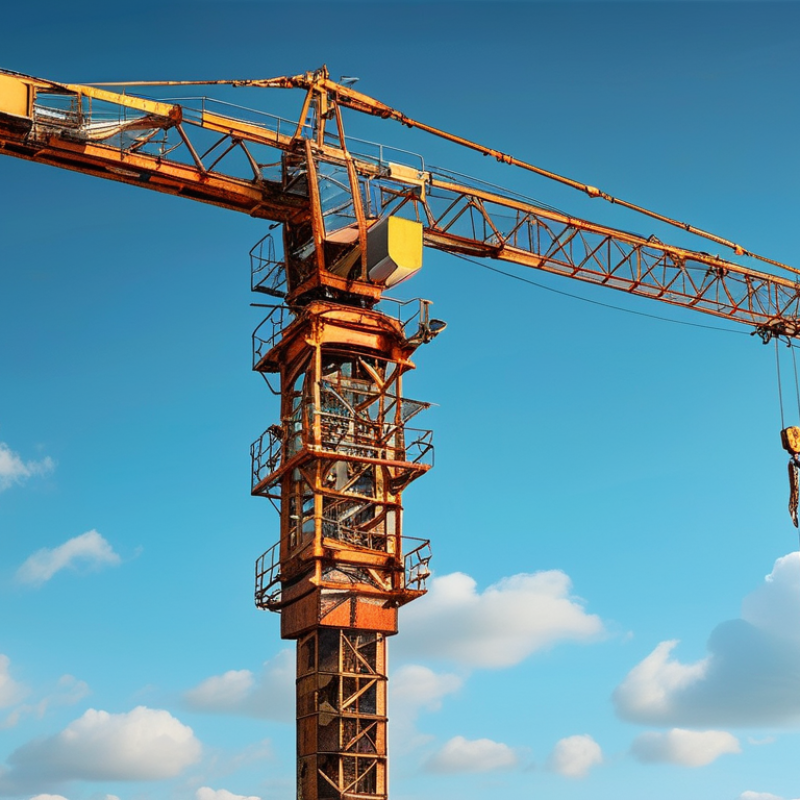
Top 10 Tips for Long Term Maintenance of Lifting Equipment?

Key Considerations for Regular Inspection of Lifting Equipment

Regular inspections of lifting equipment are crucial for ensuring safety and longevity. Each component, from hooks to chains, should be scrutinized. Visual checks can reveal signs of wear or damage. Look for rust, cracks, or deformities. These issues can escalate if left unaddressed. Simple observations can lead to significant improvements in equipment reliability.

Maintaining accurate records is essential. Documentation of inspections helps track equipment history. It can highlight recurring issues that might need further examination. Consistency in scheduling inspections is another area that often falls short. Many operators assume everything is fine but neglect proactive measures. Setting reminders for inspections can keep equipment in optimal condition.

Training staff on what to look for during these inspections is also critical. They should feel empowered to report any abnormalities. A culture of safety enhances overall operational efficiency. Engaging everyone in the inspection process often leads to better outcomes. Ultimately, it requires commitment from all levels to prioritize this aspect of maintenance.

Essential Cleaning Procedures to Extend Equipment Lifespan

Lifting equipment requires regular cleaning to function correctly and last longer. Dirty or neglected machinery can lead to wear and tear, affecting performance. Dedicate time for frequent inspections and cleaning.


Use mild detergents to avoid damaging surfaces. Pay attention to hooks, chains, and pulleys where dirt accumulates. A thorough rinse ensures all residues are removed. Regular lubrication of moving parts is crucial. It helps prevent corrosion and promotes smooth operation.


In addition to cleaning, keep records of maintenance activities. Documenting procedures can reveal patterns that need attention. When cleaning and inspecting, involve your team. Their insights can identify overlooked areas. Remember, a little diligence can save significant costs in repairs later.

Best Practices for Lubrication and Maintenance of Moving Parts

Proper lubrication is crucial for the longevity of lifting equipment. Each moving part requires specific attention. Regular checks can prevent excessive wear. Make sure to assess all lubrication points frequently, especially in high-use areas. Implementing a routine schedule can significantly enhance the performance and lifespan of the equipment.

Selecting the right lubricant is vital. Not all lubricants are created equal; some may not adhere well to certain surfaces. Use products formulated for your equipment's materials. Improper choices can lead to failures or inefficient operation. It’s important to test various lubricants to find what works best, as circumstances may vary.

Document your maintenance activities. Recording which lubricants were used and when will help in tracking performance. Regular evaluations can reveal patterns or issues. Over time, you may notice that certain areas need more attention. Reflecting on these findings will lead to better maintenance strategies.

Training and Safety Protocols for Equipment Operators

Training equipment operators is crucial for safe lifting operations. Studies show that inadequate training is a common cause of accidents in the industry. According to the Occupational Safety and Health Administration (OSHA), about 75% of workplace accidents are linked to operator error. Proper training can significantly reduce these risks.

Regular safety drills and refresher courses help maintain high standards. These should address emergency procedures, equipment inspection, and load handling techniques. Consider providing hands-on training sessions, which can enhance understanding and retention. Operators should be familiar with the equipment's limitations and capabilities, as outlined in manufacturer guidelines.

Tips for ongoing training include encouraging feedback from operators. Create an open environment where they can share experiences. This will help identify gaps in knowledge and areas needing improvement. Additionally, utilize up-to-date training materials that reflect current best practices and technologies. Regular assessments can ensure that operators remain competent and confident in their roles. Investing in training pays off, as a well-trained team can prevent costly accidents and improve productivity.

Importance of Keeping Accurate Maintenance Records

Accurate maintenance records are crucial for lifting equipment. These records offer vital insights into the equipment's performance and longevity. A report from the International Journal of Equipment Maintenance states that 70% of equipment failures are due to inadequate maintenance. Neglecting documentation can lead to costly breakdowns and safety hazards.

Keeping detailed logs helps identify patterns and issues, ensuring compliance with safety regulations. According to OSHA, proper maintenance records can reduce accidents by 30%. Organizing a system for tracking repairs, inspections, and part replacements promotes proactive maintenance. It allows teams to strategize replacements before inefficiencies escalate.

However, maintaining accurate records isn't always straightforward. Companies can struggle with consistency and completeness. Relying on manual entries often introduces errors. Investing in digital systems can help streamline this process, making tracking easier and more reliable. Regular audits of maintenance records are necessary to ensure accuracy and address any deficiencies.

FAQS

: Why is regular cleaning of lifting equipment important?

: Regular cleaning prevents wear and tear, enhancing equipment performance and lifespan.

How should I clean lifting equipment?

Use mild detergents and focus on areas like hooks, chains, and pulleys for optimum results.

What should I do after cleaning the equipment?

Thoroughly rinse to remove all residues and consider lubricating moving parts for better operation.

How do I decide on the right lubricant?

Test various lubricants for compatibility. Not all adhere well to every surface.

Why is it essential to keep maintenance records?

Accurate records reveal equipment patterns and can prevent costly breakdowns and safety hazards.

What challenges can arise in maintaining records?

Consistency and errors often occur with manual entries. This can undermine effective tracking.

How can I improve my maintenance tracking process?

Investing in digital systems streamlines tracking and improves reliability in documenting maintenance activities.

How often should equipment be inspected for lubrication?

Regular checks are necessary, especially in high-use areas, to prevent excessive wear on moving parts.

What can I do if I notice recurring issues during inspections?

Reflecting on these findings allows for better strategies in addressing frequent problems.

Can involving my team in inspections be beneficial?

Yes, their insights may help identify overlooked areas that require attention during maintenance.

Conclusion

Proper maintenance of lifting equipment is crucial for ensuring its longevity and reliability. To effectively understand how to maintain lifting equipment for long-term use, it is essential to focus on regular inspections, as they help identify potential issues before they escalate. Implementing essential cleaning procedures is also vital, as maintaining cleanliness can significantly extend the lifespan of the equipment. Additionally, adopting best practices for lubrication and maintenance of moving parts ensures smooth operation and reduces wear and tear.

Training and safety protocols for equipment operators cannot be overlooked, as well-trained personnel are key to safe and efficient operation. Lastly, keeping accurate maintenance records is important for tracking the equipment's performance over time and supports proactive maintenance strategies. By adhering to these guidelines, operators can maximize the efficiency and safety of their lifting equipment.

Madeline

Madeline

Madeline is a dedicated marketing professional with a wealth of expertise in our company's core offerings. With a keen understanding of the industry, she brings a unique perspective to her role, consistently delivering high-quality content that highlights the superior aspects of our products. As......