Optimizing warehouse workflow is crucial for enhancing efficiency. In modern logistics, systems like lifts play a vital role. Understanding how to optimize warehouse workflow with lifts can transform operations significantly.
Lifts streamline the movement of goods. They reduce manual handling and increase safety. Properly integrating lifts can lead to smoother processes. Yet, many warehouses still struggle with inefficiencies. Often, employees face challenges with ergonomics and layout. This can lead to unnecessary delays and frustrations.
Utilizing lifts requires thoughtful planning. They should be placed strategically to minimize travel time. Training staff on their use is essential. However, not every solution works perfectly in every setting. Continuous assessment and adaptation are necessary for best results. Exploring these avenues can help optimize operations and ultimately boost overall performance.
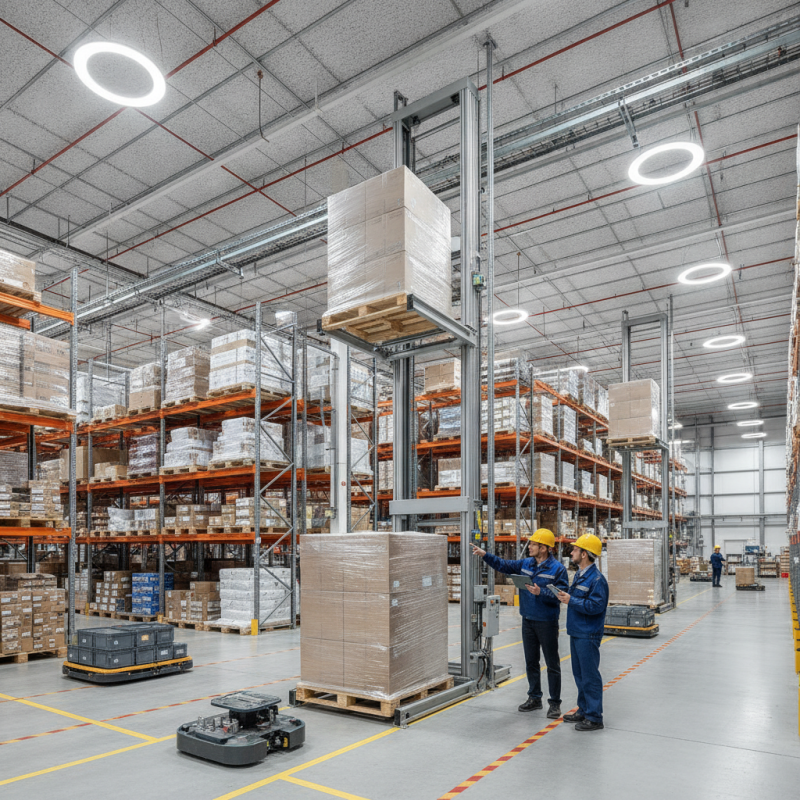
In modern warehouses, optimizing workflow is crucial for increasing efficiency. Lift systems play a significant role in this process. They enable workers to move goods quickly and safely between different levels. This reduces the risk of injuries and enhances productivity. By automating vertical transport, lifts cut down on manual lifting, leading to less fatigue among employees.
However, implementing lift systems isn't without challenges. Proper training for employees is essential. Not everyone is familiar with lift operations. This can lead to mistakes that disrupt workflow. Regular maintenance of lifts is also vital. A malfunctioning lift can halt operations and cause delays. These factors require careful planning and continuous evaluation.
Creating a seamless workflow demands attention to detail. Each lift's placement should be strategically planned to minimize travel time. It's important to analyze product flow and employee movement. This helps identify the most effective lift locations. Balancing efficiency with safety remains a constant challenge. A well-optimized warehouse can provide significant benefits, but it requires ongoing adjustments and willingness to adapt.
In a warehouse setting, lift systems play a crucial role in enhancing operational efficiency. Different types of lifts come with their unique advantages and challenges.
For example, vertical lifts can streamline vertical transport. However, they may require significant floor space. On the other hand, conveyor lifts efficiently handle material movement across various levels. Yet, they can have higher initial costs.
The choice of lift systems also affects overall workflow. A scissor lift can assist in varying load heights, but its capacity could limit the types of materials it can handle.
Standard forklifts offer flexibility but can struggle in tight spaces. Each variant serves a purpose, but it is vital to analyze how these systems fit into specific warehouse layouts.
Understanding the pros and cons helps in making informed decisions. Some lifts may work efficiently in one scenario but not in another. It is essential to assess individual needs and operational workflows.
Involving staff in these discussions often reveals insights that can lead to better solutions.
Finding the right balance is crucial for enhancing efficiency in a busy warehouse environment.
Implementing lifts in warehouses can significantly enhance operational efficiency. Research shows that integrating lifts can boost worker productivity by up to 25%. This improvement stems from reduced physical strain on employees and optimized movement of goods. Lifts enable quick vertical transport, minimizing time spent on manual handling of heavy items.
Tips for maximizing the benefits of lifts include regular maintenance checks. Ensuring lifts are in top condition can prevent delays caused by breakdowns. Employee training on safe lift operation is also crucial. Workers must understand how to efficiently use these systems to avoid accidents. Installing clearly marked pathways for lift use can help streamline movements.
Some facilities still overlook lift installation due to initial costs. However, not embracing this technology can hinder overall productivity in the long run. As warehouses evolve, considering lifts can become essential in meeting growing demands. Reflecting on workflow practices can reveal whether lifts may be the missing link in achieving efficiency goals.
| Warehouse Type | Efficiency Gain (%) | Reduction in Labor Costs (%) | Time Saved in Operations (hrs/week) | Increase in Order Fulfillment Speed (%) |
|---|---|---|---|---|
| Retail Warehouse | 20% | 15% | 10 | 25% |
| E-commerce Warehouse | 30% | 20% | 15 | 35% |
| Industrial Warehouse | 25% | 18% | 12 | 28% |
| Cold Storage Warehouse | 15% | 10% | 8 | 20% |
In today's competitive warehouse industry, optimizing workflow is crucial. Lifts can greatly enhance efficiency by streamlining the movement of goods. According to a 2022 study by the Warehousing Education and Research Council, warehouses that employ mechanical lifts can increase productivity by up to 25%. This is largely due to reduced manual labor and the faster movement of heavy items.
Cost-benefit analysis is vital for implementing lifts. The initial investment can be significant. Industry reports indicate that the average cost for installing a lift system ranges from $20,000 to $100,000. However, the return on investment can be realized within two to five years through labor savings and reduced injury rates. Reports suggest that workplaces with lift systems experience up to a 50% decrease in worker injuries related to material handling.
Although the benefits seem clear, not every warehouse may see immediate improvements. Some operations struggle to integrate lifts into existing workflows. Misalignment with inventory management processes can lead to bottlenecks instead of enhancements. Therefore, detailed planning and analysis are essential. Understanding specific needs and challenges is key to making effective decisions about lift implementation.
This chart illustrates the cost-benefit analysis of implementing lifts in warehouse operations, showcasing the impact on efficiency and associated cost metrics.
In modern logistics, the role of lifts is evolving rapidly. These machines are no longer just tools for moving goods vertically. Today, they are integral to streamlining operations. Automation is reshaping how warehouses function. With the rise of smart technology, lifts can now operate with minimal human intervention. This change enhances productivity but also raises questions.
As facilities adopt automated lifts, they must consider integration challenges. Not all systems work well together. Each warehouse has unique needs. Companies must evaluate compatibility with existing logistic systems. This might require additional training for staff, which can disrupt workflow. However, the potential efficiency gains are substantial. Time savings from automated lifts can greatly impact throughput.
Future trends point toward smarter lifts with advanced data analytics capabilities. These lifts can predict maintenance needs, ensuring uptime. Yet, reliance on technology demands vigilance. A system error can halt operations, leading to severe delays. Balancing innovation and operational reliability becomes crucial for success. As lifts continue to evolve, the logistics sector must embrace both opportunities and uncertainties.
: Vertical lifts streamline vertical transport, improving efficiency. They save effort and reduce manual handling of heavy items.
Conveyor lifts can efficiently move materials but often have higher initial costs. This may deter some facilities from installation.
Scissor lifts are designed for varying load heights, but their capacity can limit material types. Forklifts offer flexibility in movement.
Involving staff can provide insights into practical needs, helping to identify the most effective lift solution for specific workflows.
Regular maintenance checks prevent breakdowns and delays. Ensuring lifts are functioning optimally supports smoother operations.
Automation enhances lift efficiency, but it also requires careful integration with existing systems and additional staff training.
Dependence on technology may lead to errors that can stop operations. Being vigilant about system reliability is essential.
Some facilities hesitate due to initial costs, but not adopting lifts can limit productivity and growth potential in the long run.
Advanced lifts may use data analytics to predict maintenance needs, helping to reduce downtime and improve operational efficiency.
Embracing new technology is vital, but it is equally important to ensure systems are reliable to prevent workflow disruptions.
In today’s fast-paced logistics environment, understanding how to optimize warehouse workflow with lifts is crucial for boosting efficiency. Lift systems play a pivotal role by facilitating the movement of goods across various levels, thus reducing manual handling and minimizing operational delays. By exploring the different variants of lift systems, warehouses can evaluate the pros and cons of each option, ensuring that they select the most effective solutions for their unique needs.
Additionally, key statistics reveal that implementing lifts can significantly enhance operational efficiency, often yielding substantial time and cost savings. Analyzing cost-benefit metrics allows warehouses to make informed decisions about the investment in lift technologies. Looking ahead, the integration of automation in warehouse operations is set to redefine the role of lifts, further streamlining workflows and improving overall productivity in logistics.

Progan Lift