Accidents in industrial lift operations can lead to severe injuries and costly downtime. According to John Miller, an expert in workplace safety, "Proper training is essential to avoid accidents when using industrial lifts." His words emphasize the need for a structured approach to safety measures.
In industries where lifts are common, awareness is crucial. Workers often overlook basic safety protocols. Knowledge about how to prevent accidents when using industrial lifts can significantly reduce risks. Ensuring all operators receive proper training is paramount. Equipment should be inspected regularly, and operators must understand load limits.
Incorporating safety measures can seem daunting. However, facilities should prioritize safety gear and clear signage. Regular safety drills can help reinforce protocols. Mistakes will happen, but a focus on continuous improvement can foster a safer work environment. Emphasizing vigilance and accountability can lead to enhanced safety outcomes.
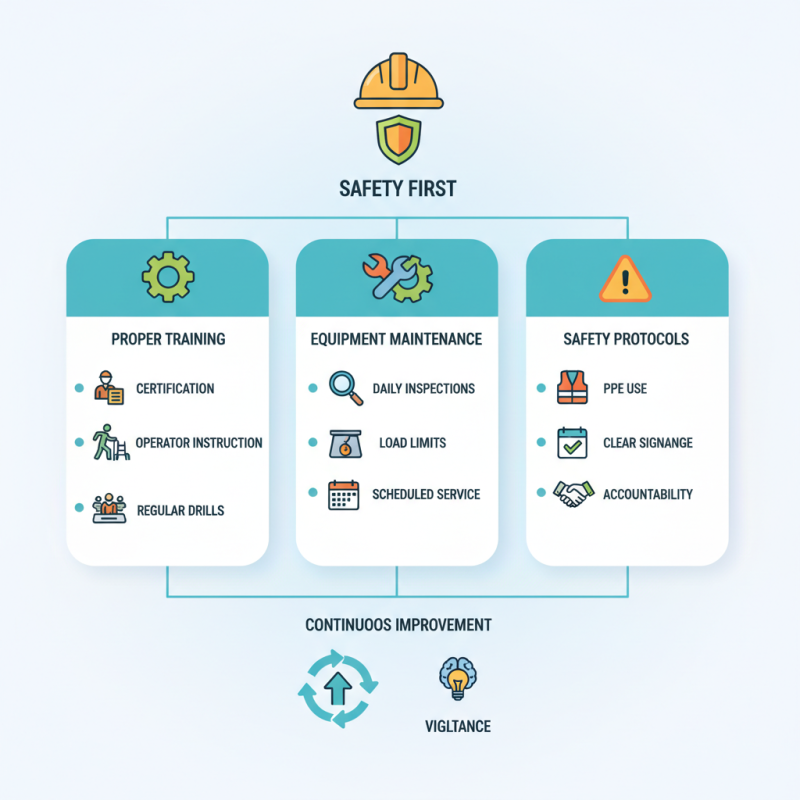
Safety training for industrial lift operators is critical. Well-trained operators can handle equipment confidently and make better decisions during operations. Promoting a culture of safety is essential for any workplace that uses lifts.
Regular training helps operators understand the mechanics of the lifts. They learn about load limits, emergency procedures, and maintenance checks. Knowledgeable operators can identify potential hazards early and prevent accidents. They should also practice situational awareness, adapting their responses to different environments.
Despite training, accidents can still occur. Operators might forget safety protocols under stress. Regular refresher courses are vital to maintain their skills and knowledge. Creating an environment where operators are encouraged to share their experiences can also improve safety. Learning from past mistakes helps everyone become more aware and prepared.
Regular maintenance and inspection of industrial lifts is crucial for preventing accidents. According to a report by the Occupational Safety and Health Administration (OSHA), proper maintenance can reduce lift-related injuries by up to 60%. This statistic highlights how essential it is to follow a strict maintenance schedule.
Routine inspections should be conducted at least once a month. Operators must check fluid levels, electrical components, and safety systems. A comprehensive checklist helps ensure nothing is overlooked. Real-life incidents show that most accidents occur due to neglecting these basic tasks. Operators might rush through checks, thinking they can fix issues later. This often leads to safety compromises.
Training staff on the importance of maintenance is vital. Only 40% of workers believe their lifts receive adequate care, according to industry surveys. This indicates a serious communication gap. Regular workshops can emphasize the significance of proactive maintenance. The aim should be to create an environment where safety is a shared responsibility. Consistent engagement can help foster a culture of safety around industrial lifts, thus reducing overall risks.
Understanding load capacity limits is critical when using industrial lifts. Each lift has a specific weight limit defined by its manufacturer. Ignoring this limit can lead to dangerous accidents. Overloading a lift compromises its stability and increases the risk of falling. When lifts are overloaded, they can malfunction or tip over unexpectedly.
It's essential to regularly check the load capacity indicators on industrial lifts. Ensure that operators are trained to recognize these limits. Training programs should include practical examples and real-life scenarios. Workers should be aware of common mistakes, such as misjudging the weight of materials.
In practice, sometimes workers may underestimate the actual weight due to the bulkiness of items. This overconfidence can lead to overloading incidents. Encourage a culture where safety is prioritized, and everyone feels responsible for maintaining it. Reflecting on past incidents can lead to better awareness and safer practices. Proper documentation of weight checks and regular inspections can significantly reduce risks associated with industrial lifts.
Implementing proper signage and safety zones around lift operations is crucial for reducing accidents in industrial environments. According to a 2021 report by the National Safety Council, nearly 25% of workplace injuries involve mobile equipment like industrial lifts. Clear signage can guide workers on safety protocols and increase awareness of potential hazards.
Signs indicating the presence of lifts should be strategically placed. They must be visible from all angles. Color-coded systems can help to convey information quickly. Zones where lift operations occur should be clearly marked. This helps prevent pedestrian access during operations. Unfortunately, many workplaces underestimate the importance of these visual cues. A lack of proper signage often results in misunderstandings and dangerous situations.
Creating dedicated safety zones will further improve safety. These zones should be designed to keep workers at a safe distance. Barriers or cones can be effective in defining these areas. According to OSHA, establishing these zones can reduce the likelihood of accidents by 70%. Reviewing and updating safety measures regularly is essential. Continuous improvement helps address gaps that may arise over time. Proper training for workers on lift safety and the significance of signage can also minimize accidents, which are sometimes seen as unavoidable.
Emergency procedures are crucial in responding to lift-related accidents. Every organization should establish a clear response plan. This includes designated roles for employees during an emergency. Training sessions should cover how to operate lifts safely and manage accidents. Regular drills help keep staff ready for real situations.
Communication is key in any emergency. All workers should know how to report an incident quickly. A dedicated communication channel for emergencies ensures everyone is informed. Additionally, posting clear instructions near lifts can guide employees during unexpected situations. Regularly reviewing and updating these procedures keeps them relevant and effective.
In the event of an accident, quick action is essential. First responders should assess the situation before helping anyone. Sometimes, fault detection is not straightforward. Delays can be dangerous. Reflecting on past incidents can reveal gaps in preparedness. Continuous improvement in emergency response is necessary for safety.
: Proper signage reduces accidents and informs workers about safety protocols. Clear signs help increase awareness of hazards.
Signs must be strategically positioned and visible from all angles. This ensures all workers can see them easily.
Safety zones keep workers at a safe distance from lifts. Barriers or cones are effective in defining these areas.
OSHA indicates establishing safety zones can reduce accidents by 70%. This is significant for workplace safety.
Regular reviews help identify and address gaps in safety protocols. Continuous improvement ensures the measures remain effective.
Procedures should outline designated roles, quick reporting methods, and clear instructions for all employees during emergencies.
Training sessions provide knowledge on safely operating lifts and managing accidents. Regular practice keeps workers prepared.
Effective communication is vital. Workers must know how to report incidents and have access to emergency channels.
First responders should assess the situation carefully before providing assistance. Quick action is crucial.
Reflecting on past incidents and ongoing gaps improves preparedness. Continuous updates keep response plans effective.
When considering how to prevent accidents when using industrial lifts, it is crucial to prioritize safety training for operators. Thorough training ensures that operators are well-equipped to handle equipment safely and understand the potential risks involved. Regular maintenance and inspection protocols are also essential in identifying any mechanical issues before they lead to accidents.
Equally important is the understanding of load capacity limits to prevent overloading incidents, which can lead to serious accidents. Establishing proper signage and safety zones around lift operations can further enhance safety by keeping unauthorized personnel at a safe distance. Finally, implementing comprehensive emergency procedures and response plans is vital to ensure swift action can be taken in the event of a lift-related accident. By following these guidelines, workplaces can significantly reduce the risks associated with industrial lifts.

Progan Lift