A lifting equipment emergency can develop in seconds. A crane may stop mid-lift, a hoist may behave unpredictably, or a load may begin to swing near workers. In that moment, noise, pressure, and confusion can make small decisions matter. Knowing how to handle emergency situations with lifting equipment starts with a clear priority: protect people, not the load or the schedule.
A safe response usually means stopping the operation, warning nearby workers, and keeping everyone away from suspended or unstable loads. Do not approach damaged machinery or attempt a rescue unless you are trained and the site procedure allows it. Alert the designated supervisor or emergency team, then follow the equipment-specific plan. The correct response can vary with the machine, the load, and the hazard. A mobile crane on uneven ground presents different risks from a warehouse hoist with a jammed brake.
Details help. Note where the equipment stopped, whether the load moved, and who may be at risk. Share those facts with qualified responders; do not guess at the cause. Once the area is safe, preserve relevant inspection and operating records for review. Even a well-rehearsed plan can leave people uncertain. That is worth admitting. Regular drills, clear communication, and competent maintenance make a response more reliable, though no checklist replaces judgment. This guide covers practical preparation, immediate actions, communication, and follow-up, with safety taking priority at every step.
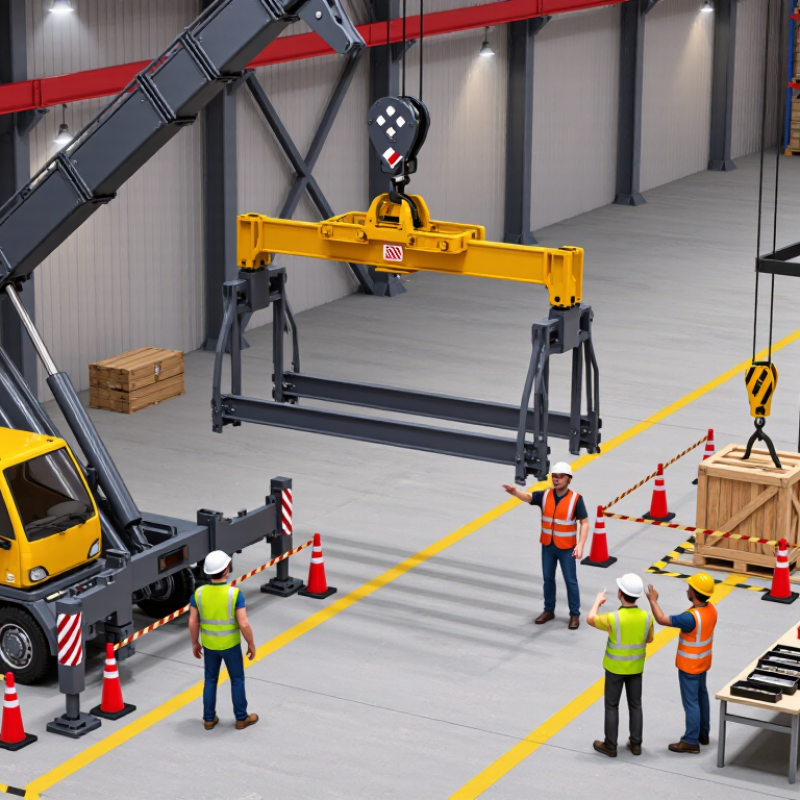
Recognizing Signs of a Lifting Equipment Emergency
Top Tips for Handling Lifting Equipment Emergencies
Recognizing Signs of a Lifting Equipment Emergency
A lifting emergency rarely begins with a dramatic failure. Often, small changes appear first. Listen for new clicking, grinding, or repeated hydraulic strain during a lift. Watch for a load that swings unexpectedly, tilts, or slowly slips from its position. These movements can signal an unstable load, a rigging problem, or equipment trouble. That matters. Look for leaking fluid beneath the machine, a bent hook, damaged wire rope, or sling fibres that are cut or badly worn. An alarm, a control that responds unevenly, or a sudden loss of power also deserves attention. It is easy to focus on the load and miss a change in the equipment’s sound.
If anything seems abnormal, stop the lift and keep people clear of the suspended load. Do not stand beneath it or try to steady it by hand. Follow the site’s emergency procedure, and alert the supervisor or qualified equipment inspector. Lowering the load may be appropriate only when it can be done safely and the operator is trained to do so. Otherwise, leave the controls alone and wait for direction. A pause can feel inconvenient. It is still better than guessing. Record what happened, including the sound, movement, and any visible damage, once the area is safe. A small detail may help identify the cause. Sometimes, it may not.
Stopping Operations and Securing the Work Area
When a lifting emergency occurs, stop the operation immediately. Lower a suspended load only if it can be done safely; otherwise, keep people clear and prevent access beneath it. Tell the operator and nearby workers to halt, then isolate the equipment using site procedures. Do not touch a damaged sling, hook, control, or power source until a qualified person has assessed the hazard. A quick restart is tempting. It can also be the wrong call.
Secure a visible exclusion zone around the load, equipment, and likely fall or swing path. Use barriers or a spotter, and keep access routes open for responders. The U.S. Bureau of Labor Statistics reported 5,283 fatal work injuries in 2023, including 1,075 in construction. These figures cover all work-related causes, not lifting emergencies alone, but they underscore why a controlled scene matters. Record what happened, including load position, warning signs, and any equipment damage, without disturbing evidence unnecessarily. Then notify the supervisor and arrange an inspection by a competent, qualified person before reuse. In real emergencies, boundaries can be hard to maintain when coworkers want to help. Assigning one person to control entry makes that imperfect task more manageable.
Top Tips for Handling Lifting Equipment Emergencies - Stopping Operations and Securing the Work Area
| Situation or Warning Sign |
Immediate Response |
Secure the Work Area |
Before Operations Resume |
| Uncontrolled movement, unusual noise, or loss of control |
Stop the lift using the equipment’s emergency-stop procedure. Alert the operator and nearby workers; do not continue the lift. |
Keep people clear of the equipment and load. Prevent access to the affected area and establish a safe exclusion zone. |
Have a competent, authorized person inspect the equipment and determine whether repair or further assessment is required. |
| Load is swinging, unstable, or at risk of falling |
Warn everyone nearby. Do not try to steady the load by hand or stand beneath it. Follow the site emergency plan. |
Move people away from the potential fall and swing zones. Keep the area closed until the load is safely controlled. |
Confirm the load, rigging, lifting plan, and work conditions have been checked by qualified personnel. |
| Equipment or rigging appears damaged |
Stop use and report the defect. Do not operate equipment that is visibly damaged or behaving abnormally. |
Mark or tag the equipment as out of service where safe to do so. Prevent use until it has been assessed. |
Require inspection and any necessary repair by qualified personnel. Keep records in line with site procedures. |
| Power failure or loss of communication during a lift |
Stop the operation and follow the manufacturer’s instructions and site emergency procedure. Do not improvise a recovery. |
Maintain the exclusion zone and keep workers away from suspended or potentially unstable loads. |
Restore communication and verify that the equipment and controls are safe before restarting under an authorized plan. |
| Person injured or trapped near lifting equipment |
Raise the alarm and contact the site emergency response team or emergency services. Do not put yourself at risk. |
Stop nearby work, keep access routes clear, and prevent untrained personnel from entering the incident area. |
Resume only when the incident has been managed, the area has been released, and required equipment checks are complete. |
| Fire, smoke, electrical hazard, or suspected hydraulic leak |
Stop work, warn others, and follow the site evacuation and emergency procedures. Do not touch exposed electrical parts or leaking components. |
Keep people away from the hazard and allow trained responders to manage isolation and containment. |
Obtain clearance from the responsible safety or maintenance personnel before returning equipment to service. |
General rule: Stop the operation, raise the alarm, keep people clear, and follow the site emergency plan. Only trained and authorized personnel should isolate, inspect, recover, or repair lifting equipment.
Protecting Personnel and Contacting Emergency Responders
When a lifting incident occurs, stop nearby work and raise the alarm in a clear, steady voice. Keep people back. Never walk beneath a suspended load or ask anyone to steady it by hand. If equipment is moving unpredictably, do not approach the controls unless you are trained and it is safe. Isolate the area, prevent access, and follow the site emergency plan. Check for injuries from a safe position. Do not move an injured person unless immediate danger makes movement necessary. In practice, people may freeze or crowd closer; assign someone to guide them away.
Call local emergency responders promptly if someone is hurt, a load has fallen, equipment is unstable, or danger remains. Give the site address, nearest entrance, exact incident location, number of people affected, visible hazards, and whether a load remains suspended. Ask someone to meet responders at the gate while another keeps access routes clear. Share equipment details only if known; never guess about capacity, injuries, or hidden damage. Do not restart the lift or clear debris until a competent person confirms the scene is safe. Even a practiced team can miss small details under pressure, so record times and actions once help is on the way.
Managing Suspended Loads Without Increasing Risk
When a suspended load starts swinging, snagging, or behaving unexpectedly, stop the lift.
Give the agreed emergency signal and clear people from the load’s possible travel path. Never stand beneath it or try to steady it by hand. Keep clear.
The operator should follow the site emergency plan and the equipment instructions, avoiding abrupt control inputs. Lower the load only if the operator is trained, the controls work, and the route and landing area are clear. If the load is unstable or the controls fail, keep the area isolated and contact the designated lifting supervisor or emergency team. Do not attempt an improvised rescue beneath the load.
Wind, shifting ground, or a snagged sling can change the situation quickly. Use clear radio messages, name one person to coordinate, and confirm that everyone is outside the exclusion zone. Watch for secondary hazards, such as a load rolling after landing. Plans can miss small details; that is why crews should pause and reassess when conditions differ from the plan. A slow response is safer than a rushed correction.
Inspecting Equipment and Authorizing a Safe Restart
After a lifting-equipment emergency, stop movement and keep people clear of the load, boom, and travel path. Do not reset alarms or restart to “see if it happens again.” Secure the area, record what operators observed, and preserve any warning messages or control settings. Small details matter: a kinked sling, fresh hydraulic fluid, a bent latch, or an unusual motor sound can point to a larger failure. NIOSH analyzed 632 fatal occupational injuries involving cranes in the United States from 1992 through 2006. The findings underline why a near miss deserves careful attention, even when nobody is hurt.
A qualified person should inspect the equipment against its operating manual and maintenance records, including hooks, wire ropes, brakes, controls, limit devices, and structural parts. Check the ground and supporting surface, too; an unstable setup may have contributed to the event. Photograph damage before repairs, and document the inspection, test results, and corrective work. A restart should be authorized only after the cause is understood, defects are corrected, and required functional checks are passed. Keep workers outside the hazard zone during testing. A pause can feel frustrating. Rushing can make a hidden defect someone else’s emergency. The NIOSH figures come from “Fatal Occupational Injuries Involving Cranes, 1992–2006,” published by the National Institute for Occupational Safety and Health.
Top Tips for Handling Lifting Equipment Emergencies
Inspecting Equipment and Authorizing a Safe Restart
Illustrative example of checklist completion after an equipment emergency. Do not authorize a restart until all required inspections are complete, defects are addressed, and a designated competent person approves the equipment for use.
Conclusion
Handling a lifting equipment emergency begins with recognizing warning signs such as unusual noises, unexpected movement, instability, or visible damage. Stop operations as soon as it is safe to do so, isolate the equipment, and secure the work area to prevent others from entering a hazardous zone. Keep personnel clear of suspended loads and moving parts, and contact qualified emergency responders when there is immediate danger or anyone may be injured.
Knowing how to handle emergency situations with lifting equipment also means avoiding actions that could make the situation worse. Do not attempt to move or lower a suspended load unless a competent person determines it can be done safely. Once the area is stable, have qualified personnel inspect the equipment, identify the cause of the incident, and confirm that any necessary repairs and checks are complete. Operations should resume only after an authorized person verifies that the equipment and work area are safe.

 Progan Lift