Why Are Safety Certifications Required for Lift Equipment?

Time:2026-09-15 Author:Liam
0%

Lift equipment raises heavy loads, people, and serious responsibilities. A small error can damage a pallet, bend a fork, or injure someone nearby. That is why certification matters beyond paperwork. It demonstrates that operators, inspectors, and maintenance personnel understand safe working limits. It also creates evidence that equipment receives appropriate attention before failure occurs.

Many readers ask, “what safety certifications are required for lift equipment?” The answer depends on the equipment type, workplace risks, and regulations in the operating region. Forklifts, mobile elevating work platforms, cranes, hoists, and vehicle lifts may follow different certification systems. Requirements can include operator training, practical evaluation, equipment inspection, load testing, and maintenance records. A qualified training provider or competent safety professional should confirm the applicable standard. Manufacturer instructions also matter, especially when attachments or unusual loads are involved.

Certification does not make unsafe equipment safe. It supports a controlled process. A trained operator should still check tires, brakes, chains, guards, controls, warning labels, and visible damage before use. Records should be clear enough for another person to understand what happened. Even experienced teams can overlook a cracked weld during a rushed shift. A checklist is not magic. It works only when people use it honestly and respond to defects. Requirements also change, and local guidance may be interpreted differently. For that reason, responsible companies review certificates, inspection dates, and refresher training regularly. This approach protects workers, supports reliable operations, and strengthens trust with customers, auditors, and regulators.
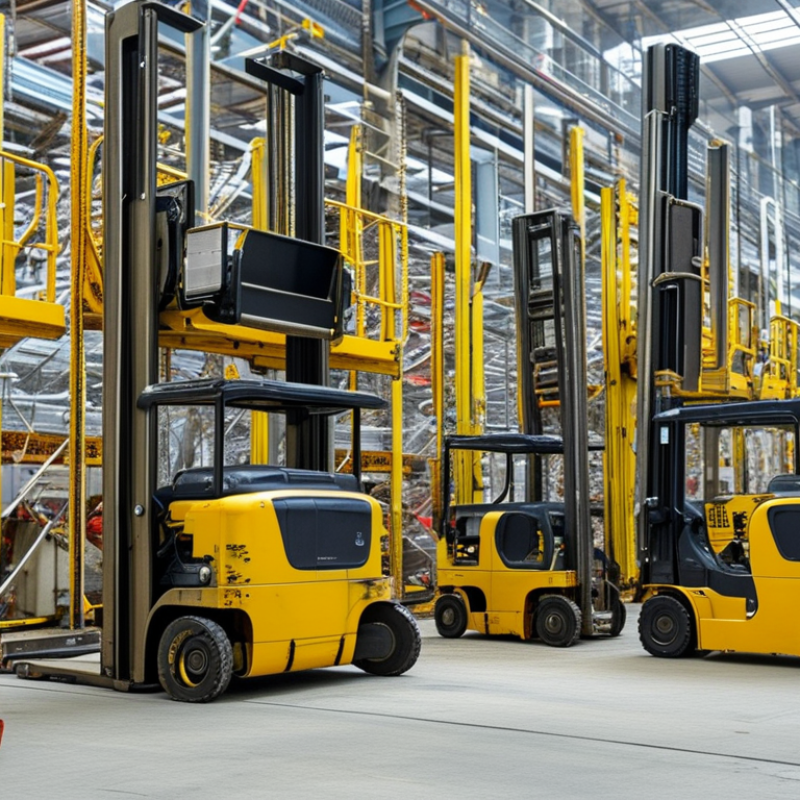
Why Are Safety Certifications Required for Lift Equipment?

What Are Lift Equipment Safety Certifications?

Lift equipment safety certifications are documented proof that an operator, inspector, technician, or equipment has met defined safety requirements.

They show competence, but they do not replace careful judgment. A certification may cover training, practical skills, inspections, maintenance, or design controls. It is not one universal document. Requirements vary by equipment type, workplace risk, and local rules. A trained operator should understand load charts, rated capacity, stability limits, emergency stops, and pre-use checks. Before raising a pallet, the operator may inspect hooks, chains, controls, tires, and warning labels.

A credible certification process usually combines classroom instruction with hands-on evaluation. An assessor watches the candidate position the lift, attach the load, travel slowly, and lower it safely. The evaluator may also test responses to uneven floors or shifting loads.

Inspection certification is different. It confirms that a qualified person examined structural parts, brakes, hydraulics, electrical systems, and safety devices. The report should identify the equipment, inspection date, findings, corrective actions, and next review date.

Clear records matter.

They help supervisors confirm authorization and identify repeated defects.

Certification has limits.

A wallet card cannot correct rushed work, poor judgment, or damaged equipment. Training can become outdated when equipment changes or workers rarely practice. In real workplaces, production pressure can weaken simple checks. That risk deserves honest attention.

Refresher training, observed practice, and toolbox discussions can expose forgotten steps. Employers should verify credentials through reliable records and recognized assessment processes.

Workers should stop and report unusual noise, leaking fluid, unclear instructions, or unstable loads. That pause may feel inconvenient. It can prevent a minor defect from becoming a serious event.

Which Hazards Do Safety Certifications Address?

Safety certifications for lift equipment address hazards that are often visible only after something goes wrong. OSHA estimates that powered industrial trucks cause about 85 workplace fatalities and 34,900 serious injuries each year in the United States. Certification programs respond to these risks through operator training, equipment inspections, load-capacity checks, and documented maintenance.

Tipping is a major concern. A lift carrying an uneven load can shift its center of gravity within seconds. Certification training teaches operators to read load charts, maintain stable travel speeds, and keep forks low near floor level. It also addresses falling objects, struck-by incidents, limited visibility, and collisions in narrow aisles. Small details matter. A cracked fork, weak tire, or damaged guard can change a routine lift into a serious event.

Falls from platforms receive similar attention. Certification requirements commonly examine guardrails, gates, emergency lowering systems, anchor points, and safe access procedures. Electrical contact is another hazard, especially near overhead lines or exposed systems. Industry safety reports repeatedly identify contact with energy sources as a leading cause of fatal incidents involving elevated equipment. A certificate is not a force field. In practice, rushed inspections and poor site planning can still defeat good training. That weakness deserves honest review. Experienced supervisors should confirm conditions before each lift, not rely only on paperwork.

Why Are Safety Certifications Required for Lift Equipment? - Which Hazards Do Safety Certifications Address?

Safety Dimension Hazard Addressed Typical Lift Equipment or Activity What Certification or Inspection Verifies Relevant Safety Reference Typical Requirement Status
Load Capacity and Stability Overloading, tipping, structural collapse, or uncontrolled movement Forklifts, mobile elevating work platforms, cranes, hoists, and lifting accessories Rated capacity, load charts, stability calculations, structural condition, and correct identification of the safe working load Applicable national regulations and equipment-specific standards such as ISO, EN, ASME, or equivalent requirements Usually required
Structural Integrity Broken welds, cracked frames, damaged platforms, failed masts, or deformed components Scissor lifts, boom lifts, telehandlers, cranes, and lifting platforms Visual and functional examination of frames, booms, masts, platforms, pins, welds, guards, and attachment points Manufacturer instructions, periodic examination rules, and applicable lifting-equipment standards Periodic inspection
Fall Protection Workers falling from platforms, baskets, decks, or elevated work areas Mobile elevating work platforms, aerial lifts, suspended platforms, and personnel lifts Guardrails, gates, anchor points, harness requirements, emergency lowering systems, and operator procedures Work-at-height regulations and equipment-specific standards Required where applicable
Crushing and Shearing Protection Entrapment between the platform and surrounding structures or moving components Vertical lifts, scissor lifts, dock lifts, vehicle lifts, and industrial lifting tables Guarding, safe clearances, interlocks, controls, emergency stops, and anti-entrapment devices Machinery-safety requirements and applicable equipment standards Usually required
Electrical Safety Electric shock, arc flash, short circuit, or contact with overhead power lines Powered lifts, electric hoists, aerial platforms, and equipment used near electrical installations Electrical insulation, grounding, wiring condition, control protection, battery systems, and required approach distances Electrical codes, workplace electrical rules, and equipment-specific standards Risk-dependent
Control-System Operation Unexpected start-up, runaway movement, incorrect direction, or failure of stopping controls Powered industrial trucks, cranes, hoists, platforms, and automated lifting systems Function of operating controls, emergency stops, limit switches, alarms, interlocks, and braking systems Machinery safety standards and manufacturer operating procedures Required during examination
Brake and Lowering Systems Load drift, uncontrolled descent, collision, or suspended-load release Cranes, hoists, goods lifts, vehicle lifts, and hydraulic lifting equipment Braking capacity, holding devices, hydraulic systems, valves, ropes, chains, and emergency lowering functions Applicable lifting-equipment inspection and test requirements Usually required
Overhead and Collision Hazards Contact with buildings, vehicles, power lines, people, or other equipment Mobile lifts, cranes, telehandlers, forklifts, and warehouse lifting systems Audible or visual alarms, travel controls, visibility provisions, warning labels, clearance requirements, and operator training Workplace traffic rules, operator-training requirements, and equipment standards Site-dependent
Load Attachment and Falling Objects Dropped loads, sling failure, hook disengagement, or falling materials Cranes, hoists, forklifts, lifting beams, slings, shackles, and hooks Condition and identification of hooks, chains, wire ropes, slings, latches, lifting points, and attachment methods Rigging, lifting-accessory, and periodic examination requirements Usually required
Emergency and Rescue Functions Delayed rescue after power failure, operator incapacitation, or equipment malfunction Aerial platforms, personnel lifts, suspended access equipment, and enclosed lifting systems Emergency stop, manual lowering, backup controls, alarms, communication systems, and documented rescue procedures Applicable workplace emergency-planning and equipment-safety requirements Risk-dependent
Operator Competence Unsafe operation caused by inadequate training, poor judgment, or failure to follow load limits Forklifts, cranes, aerial lifts, telehandlers, and powered lifting equipment Knowledge assessment, practical demonstration, equipment-specific instruction, and periodic refresher training National occupational-safety rules and employer training procedures Required for operators
Maintenance and Recordkeeping Recurring defects, missed inspections, unauthorized repairs, or use of unsafe equipment All lifting equipment and lifting accessories Inspection dates, test results, defect reports, repairs, maintenance history, certificates, and next examination date Applicable regulatory documentation and equipment maintenance requirements Required for traceability

Certification and inspection requirements vary by equipment type, country, workplace conditions, and intended use. A certificate does not replace daily pre-use checks, competent operation, preventive maintenance, or site-specific risk assessment.

How Are Lift Equipment Certifications Obtained?

Lift equipment certification usually begins with identifying the machine, its rated capacity, and the work environment. Requirements differ by location and equipment type. A competent supervisor or safety consultant should confirm the applicable rules before training starts. Guessing can create expensive gaps.

Candidates normally complete approved classroom instruction. They learn load charts, stability limits, controls, emergency procedures, and daily inspections. Practical training follows. Under supervision, the trainee checks tires, hooks, chains, brakes, guards, and warning devices. Then, the trainee performs controlled lifts, positioning tasks, and shutdown procedures. Small details matter. A loose connection should never be ignored.

An authorized assessor usually conducts a written test and a hands-on evaluation. The assessor records the trainee’s performance, mistakes, and corrective actions. Passing results lead to a certificate, card, or digital record, depending on local requirements. The document should identify the equipment category, operator, assessment date, and expiration or renewal conditions. Employers should also verify experience and keep training records accessible.

Certification is not a permanent guarantee of competence. Equipment changes, site conditions, and long periods without use can affect performance. Refresher training may be needed after an incident, unsafe observation, or extended absence. This part is often overlooked. Regular inspections remain separate from operator certification, and qualified technicians should complete required equipment examinations. A careful process may feel slow, but rushed approval can hide weaknesses that appear only under load.

Who Issues and Enforces Certification Requirements?

A lift equipment certificate usually comes from an accredited inspection body, qualified engineer, or competent third-party assessor. The issuing authority depends on the equipment type and the country where it operates. Certification bodies examine load capacity, structural condition, controls, brakes, emergency systems, and safety records. They may also witness a rated-load test under controlled conditions.

Government regulators often create the legal framework, but they do not inspect every lift themselves. They approve standards, recognize qualified assessors, and investigate serious incidents. Workplace safety agencies can request records, inspect job sites, issue improvement notices, or stop equipment use when a serious risk appears. Local authorities may also enforce permits and operating rules.

Employers still carry much of the daily responsibility. They must choose competent inspectors, schedule examinations, train operators, and correct reported defects. A certificate does not replace daily checks. In practical inspections, small details matter: a faded capacity plate, an oily hydraulic fitting, or a damaged hook latch can change the risk assessment. The process is not always tidy. Paperwork may be complete while maintenance remains weak. That gap deserves honest review. Inspectors, supervisors, and operators should communicate findings clearly and keep dated evidence of repairs. Requirements also change between jurisdictions, so relying on an old certificate can create false confidence.

How Do Certifications Improve Workplace Safety?

Why Are Safety Certifications Required for Lift Equipment?

How Do Certifications Improve Workplace Safety?

Safety certifications improve workplace safety by confirming that lift equipment has been inspected, tested, and operated by trained personnel. They help workers understand load limits, stability risks, emergency controls, and safe operating distances. A certificate also creates a clear record of competence and equipment condition. That record supports inspections, maintenance planning, and responsible workplace decisions.

Tips: Check certification dates before each shift. Match the operator’s training to the equipment type. Inspect tires, brakes, controls, guards, and warning labels. Keep load charts visible and readable. Report unusual noise, uneven movement, or damaged parts immediately. Small details matter.

Certification cannot replace careful judgment. A trained operator may still rush when production pressure rises. An inspection can also miss a developing mechanical fault. This is why supervisors should encourage stop-work decisions without embarrassment or punishment. Refresher training helps workers remember practical steps, especially after long periods away from the equipment. Some programs focus heavily on written tests, yet real safety also depends on clear communication, site awareness, and disciplined habits. A certificate proves preparation, not perfection.

Safety certification and operator evaluation help verify that lift-equipment users understand operating rules, can demonstrate practical skills, and are reassessed when conditions change. The chart summarizes the required control categories in OSHA 29 CFR 1910.178(l) for powered industrial truck operators: three core training elements and four situations requiring refresher training.

Source: U.S. Occupational Safety and Health Administration, 29 CFR 1910.178(l), Powered Industrial Trucks.

FAQS

What is a lift equipment safety certification?

It is documented proof of training, practical ability, inspection, or technical competence. It is not one universal document. Requirements vary by equipment, workplace risks, and local rules. A certificate supports safe decisions, but it cannot replace careful judgment.

Why are certifications required for lift equipment?

Certifications help confirm that operators understand load limits, stability, emergency controls, and pre-use checks. They also create records for training, inspections, and maintenance. A certificate shows preparation. Not perfection.

Who may issue a lift equipment certification?

An accredited inspection body, qualified engineer, or competent third-party assessor may issue it. The responsible authority depends on the equipment and location. Government agencies often create rules and recognize qualified assessors. Employers should verify credentials through reliable records.

What does operator training usually include?

Training often combines classroom instruction with hands-on evaluation. An assessor may observe positioning, load attachment, slow travel, and safe lowering. Candidates may respond to uneven floors or shifting loads. Written knowledge alone is not enough.

What should an operator check before raising a load?

Check hooks, chains, controls, tires, warning labels, brakes, and emergency stops. Confirm the load chart is visible and readable. Look for leaking fluid or damaged parts. Stop if the load seems unstable.

Is inspection certification the same as operator certification?

No. Operator certification confirms practical operating competence. Inspection certification confirms that a qualified person examined structural parts, hydraulics, brakes, electrical systems, and safety devices. Mixing these roles creates confusion.

What information should an inspection report contain?

The report should identify the equipment, inspection date, findings, corrective actions, and next review date. It should describe damaged parts clearly. A faded capacity plate matters. So does an oily hydraulic fitting.

Can a certificate guarantee safe operation?

No. A wallet card cannot fix rushed work, poor judgment, or damaged equipment. Training may become outdated after equipment changes or long absences. Production pressure can weaken simple checks. That weakness deserves honest review.

What should workers do when they notice an unusual problem?

Stop using the equipment and report unusual noise, leaking fluid, unclear instructions, or unstable loads. Supervisors should record the concern and arrange corrective action. A short pause may feel inconvenient. It can prevent a serious event.

Conclusion

Lift equipment safety certifications are formal qualifications that confirm that lifting devices, operators, inspectors, and maintenance personnel meet defined safety expectations. This article explains what safety certifications are required for lift equipment, why they matter, and how they help prevent accidents. Certifications may address equipment design, rated load capacity, operator competence, inspection procedures, maintenance quality, and safe workplace practices. They are especially important for identifying hazards such as overloading, unstable loads, mechanical failures, improper operation, and insufficient workplace controls.

The certification process generally involves equipment assessment, technical documentation, practical or written training, inspections, and periodic renewal. Qualified training organizations, testing bodies, employers, or regulatory authorities may issue or enforce requirements depending on the equipment and work environment. By establishing consistent procedures and encouraging regular inspections, certifications improve accountability, support safer decision-making, and reduce the likelihood of injuries, property damage, and equipment downtime. They also help organizations demonstrate that lifting operations are planned, supervised, and carried out by competent personnel.

Liam

Liam

Liam is a dedicated marketing professional with a profound expertise in the industry, where he excels at highlighting the unique advantages of our core products. With a keen understanding of market trends and consumer needs, Liam frequently updates our company’s professional blog, providing......