Engineered for structural stability, dynamic load handling, and comprehensive international compliance.
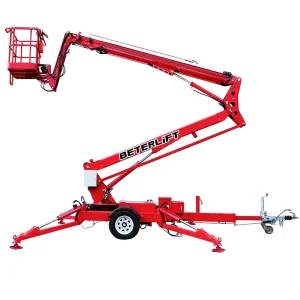
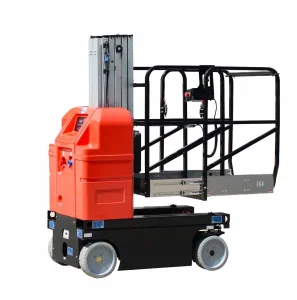
Analyzing global supply chain evolution, material efficiency standards, and localized economic advantages.
Over the last decade, China has transitioned from a high-volume manufacturing center to a global powerhouse of precision-engineered high-access equipment. The global demand for Aerial Work Platforms (AWP) and material handling platforms is driven by aggressive safety protocols in warehousing, clean energy installations, infrastructure modernization, and vertical warehouse construction. Manufacturers based in key Chinese industrial clusters leverage vertically integrated supply chains, allowing them to procure structural structural-grade steel (such as high-tensile Q345B and Q460), advanced hydraulic manifold blocks, and specialized telemetry systems at unprecedented efficiency levels.
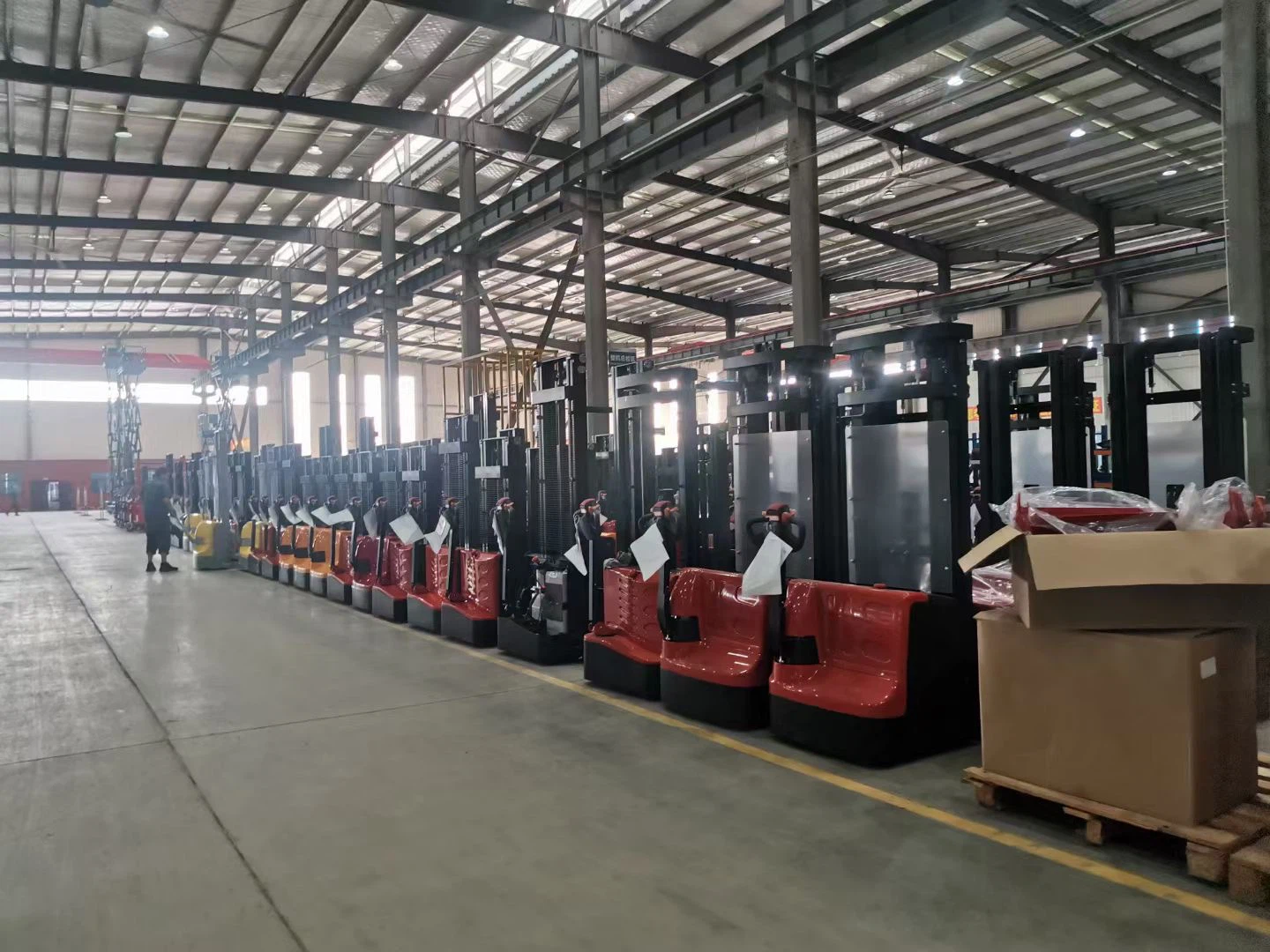
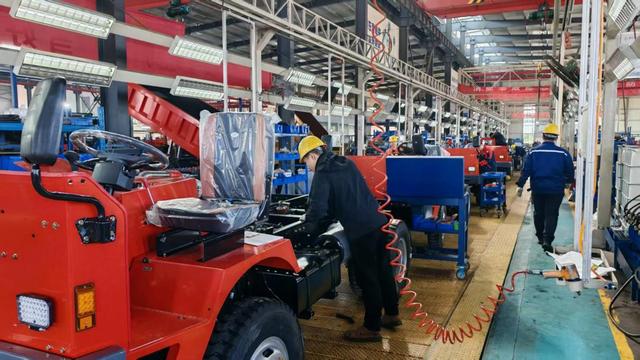
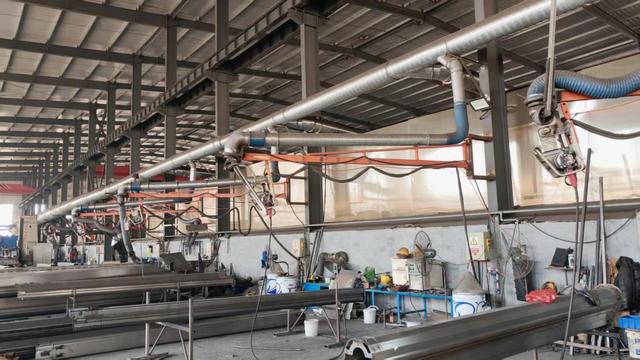
This integration is not merely about cost reduction. It represents a paradigm shift in manufacturing engineering. By locating raw component fabrication, precision CNC machining, robotic welding bays, and quality-testing laboratories within close geographical proximity, Chinese manufacturers minimize assembly-line variations, control chemical treatments such as shot-blasting and powder coating, and expedite customized design iterations. Today, major enterprises like Hangzhou Progan Lift Co., Ltd. represent the forefront of this movement, engineering vertical transport machinery that meets or exceeds global regulatory benchmarks.
Engineering Safe, Reliable, and Smart Lifting Architectures for Global Industries
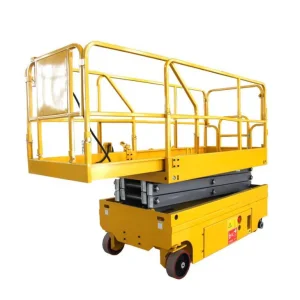
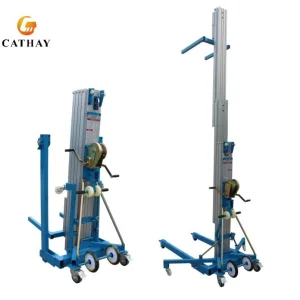
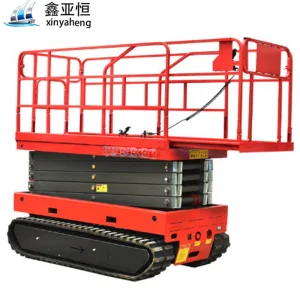
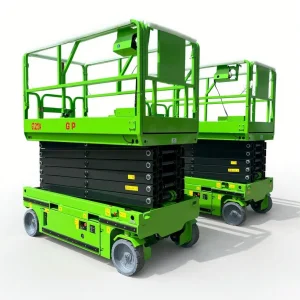
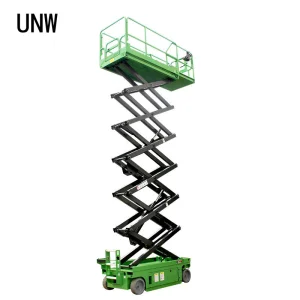
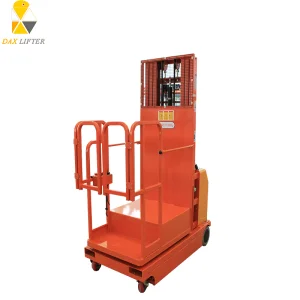
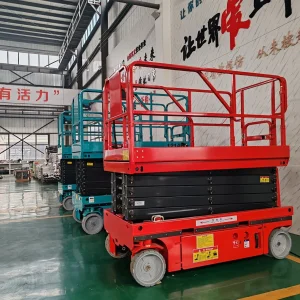
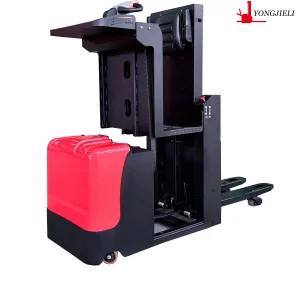
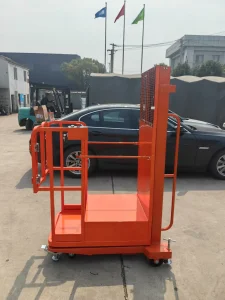
Hangzhou Progan Lift Co., Ltd. is a professional manufacturer specializing in industrial lifting equipment, dedicated to providing safe, reliable, and efficient vertical access solutions for global customers. With years of experience in the lifting industry, the company focuses on the design, production, and supply of a wide range of equipment, including scissor lifts, cargo lifts, and warehouse order pickers, widely used in logistics centers, warehouses, factories, construction sites, and commercial facilities.
Hangzhou Progan Lift Co., Ltd. emphasizes advanced engineering, strict quality control, and continuous innovation to ensure all products meet international safety and performance standards. The company integrates hydraulic, electric, and intelligent control technologies to enhance operational stability, lifting efficiency, and user safety. Each unit is designed with durability and ease of maintenance in mind, helping customers reduce downtime and improve productivity.
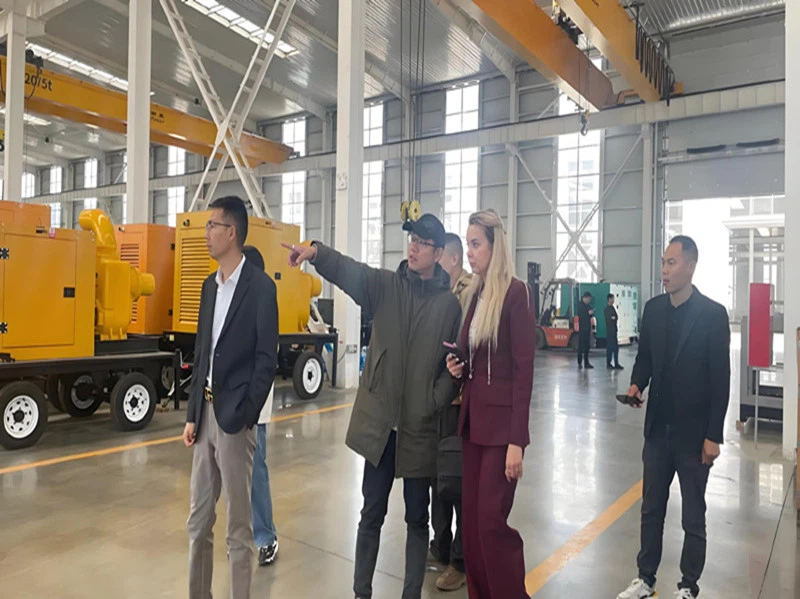
Committed to customer satisfaction, Hangzhou Progan Lift Co., Ltd. provides customized solutions tailored to different working environments and operational requirements. With a professional technical team and responsive service system, the company has built long-term partnerships with clients across global markets, delivering dependable lifting solutions and contributing to smarter, safer, and more efficient material handling operations.
The manufacturing capabilities of Hangzhou Progan Lift Co., Ltd. are further defined by an uncompromising commitment to components selection. By utilizing international brand-name hydraulic pump units, advanced PLC control interfaces, and specialized non-marking polyurethane tires, their products ensure flawless indoor and outdoor operation. Every unit undergoes rigorous performance tests, static load testing up to 150% of the rated capacity, and structural integrity verification prior to dispatch.
A comprehensive breakdown of safety factors, materials science, and hydraulic configurations.
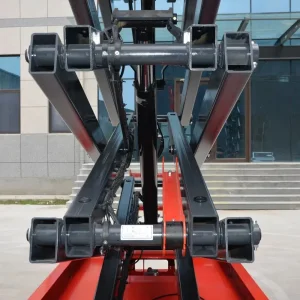
Modern aerial work platforms rely on robust mechanical structures. High-strength alloy steel (typically Q345B) is utilized in the scissor linkages to achieve a high strength-to-weight ratio. This ensures that when the platform is fully extended to its maximum service height (e.g., 12m), horizontal deflection caused by dynamic wind loads or personnel movement is minimized. Finite Element Analysis (FEA) is systematically employed during the design phase to identify potential stress concentration zones, allowing engineers to reinforce critical cross-sections without adding unnecessary weight to the chassis.
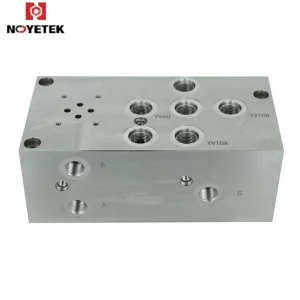
The core of safe lifting is the hydraulic control block. Systems manufactured by top-tier facilities incorporate dual-channel solenoid valves, pressure-compensated flow control, and explosive-proof pipe burst protection. The inclusion of counter-balance valves ensures that in the extremely unlikely event of a hydraulic line rupture, the platform will descend at a controlled, minimal rate rather than free-falling. Furthermore, high-pressure sealing elements (such as Hallite seals) are standard components to prevent internal hydraulic fluid bypass, maintaining constant elevation over extended duty cycles.
Integrated overhead protection frames equipped with pressure-sensitive limit switches instantly stop the lift movement if the operator contacts an overhead obstruction, preventing crush injuries in high-risk zones.
Dual-axis tilt sensors monitor horizontal alignment. If the chassis angle exceeds 2 degrees (indoor) or 1.5 degrees (outdoor), the system automatically locks lifting functions and sounds an acoustic alarm.
Equipped with CAN-Bus interface protocols, modern Chinese electric scissor lifts offer real-time telemetry output, indicating battery health state-of-charge, cycle counts, error codes, and pressure thresholds.
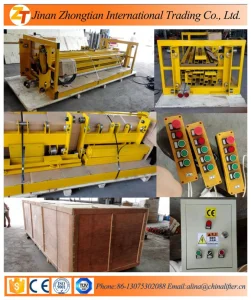
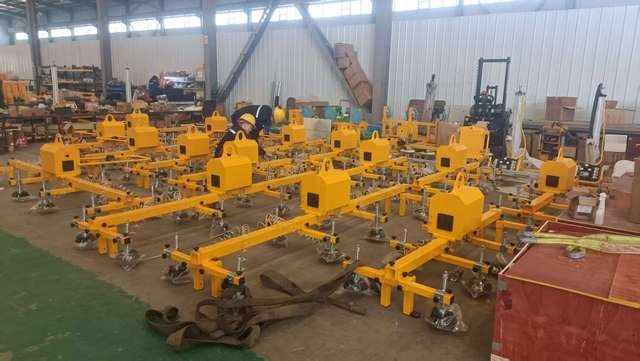
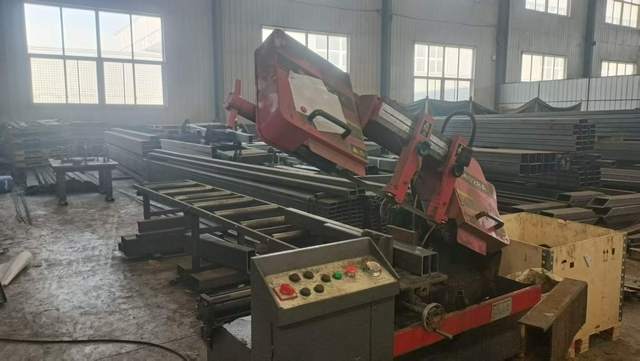
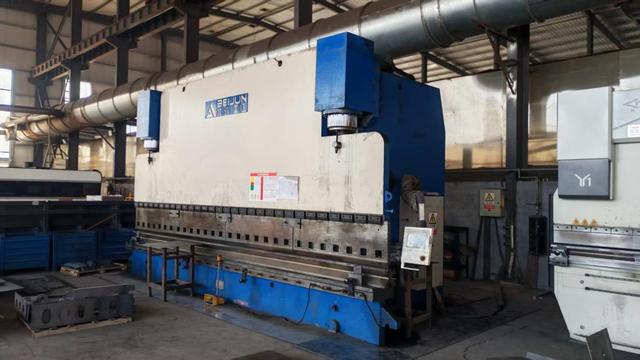
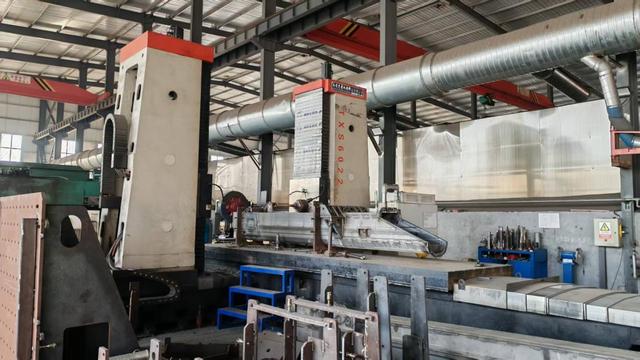
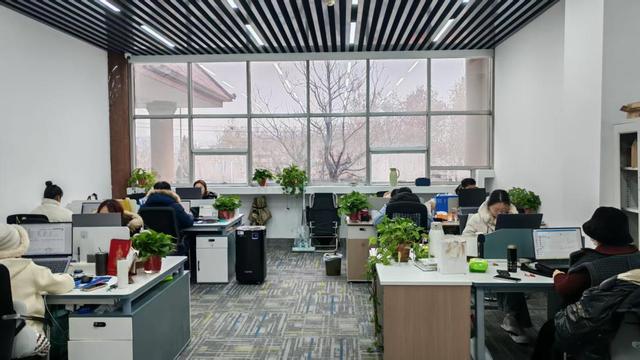
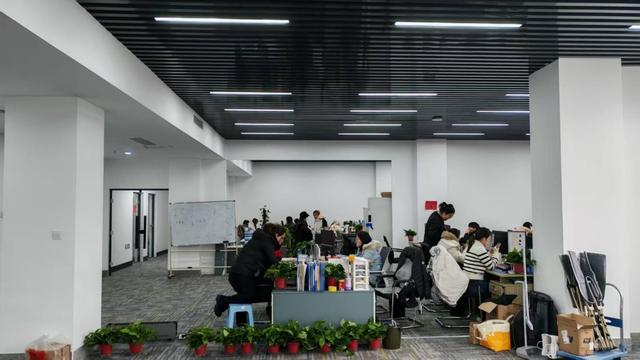
A visual insight into the production floors, automated welding systems, and rigorous quality testing bays.

Navigating the complex landscape of certifications required for international deployment.
Entering international markets demands strict adherence to region-specific technical codes. For European markets, all aerial work platforms must carry the CE Mark, proving conformity with the Machinery Directive 2006/42/EC and specifically EN 280:2013+A1:2015 (Mobile elevating work platforms - Design calculations - Stability criteria - Construction - Safety - Examinations and tests). This entails rigorous type-examination by accredited notified bodies.
In North America, compliance with ANSI/SAIA A92.20 (Design, Calculations, Safety Requirements, and Test Methods for Mobile Elevating Work Platforms) and ANSI/SAIA A92.22 (Safe Use of MEWPs) is mandatory. These standards require distinct load sensing systems that prevent operations if the rated payload is exceeded, alongside comprehensive wind-speed calculation rules. Similarly, Australian and New Zealand operations mandate compliance with AS/NZS 1418.10.
Hangzhou Progan Lift Co., Ltd. builds its engineering foundation around these standards. Rather than modifying Chinese standard units for export, the base engineering layouts are natively built to accommodate the most stringent international regulations, including electrical system insulation (IP54/IP67 ratings) and dynamic stabilization calculations under maximum horizontal forces.
Demonstrating performance versatility from heavy industrial facilities to agricultural fields.
Electric stock order pickers and scissor platforms are optimized with specialized hydraulic oils (low viscosity) and rust-resistant hardware to operate efficiently inside sub-zero food preservation facilities and automated high-bay distribution centers.
Utilizing clean-running electric drives, non-marking solid polyurethane tires, and zero hydraulic oil containment structures, specialized scissor lifts support cleanroom maintenance without introducing volatile organic compounds (VOCs) or particulate matters.
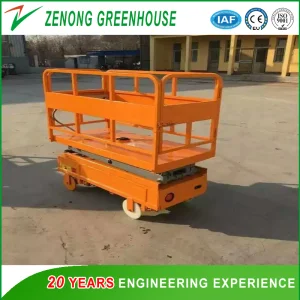
Adapting mobile lift technology to orchards and outdoor agricultural sites requires robust, uneven-terrain suspensions. Agricultural platforms facilitate secure, high-elevation harvesting, maximizing yield efficiency while protecting operator welfare on loose soils.
The future of vertical access: Electrification, Autonomous Control, and Deep Predictive Analytics.
The aerial work platform industry is experiencing a paradigm shift. Over the next five years, development is focused on three main technological pillars:
Addressing the technical, mechanical, and logistical queries of global buyers and engineers.
Engineered for structural stability, dynamic load handling, and comprehensive international compliance.
 Progan Lift