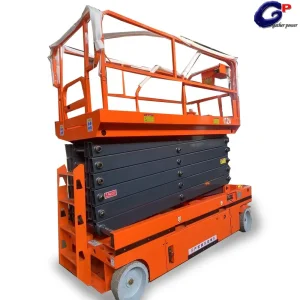
These four configurations cover the majority of Novosibirsk warehouse, utility, retail and construction tasks: compact vertical scissor lifts for indoor picking, tracked rough-terrain units for snow-bound yards, a 16 m self-propelled platform for high-bay facilities, and an aluminium man lift for fast, low-cost maintenance work.
Search behaviour around the query cluster “mobile work platform Novosibirsk” is no longer a keyword-density contest. Google’s Search Quality Rater Guidelines reward pages that demonstrate first-hand experience, transparent expertise, authoritativeness and trustworthiness — and, above all, that fully satisfy the underlying task. A Novosibirsk procurement engineer moves through three intent layers, and this whitepaper is structured to answer all of them in one continuous journey.
Queries such as “купить подъемник Новосибирск”, “mobile work platform supplier Novosibirsk” or “scissor lift factory Russia” signal a buyer who already knows the category. They need a reachable manufacturer, a quotation within days, a documented delivery route into Novosibirsk and evidence of EAC conformity before they commit.
Queries such as “scissor lift price Novosibirsk”, “self-propelled aerial platform 16m” or “electric vs diesel lift Siberia” come from buyers comparing lifting height, rated load, battery chemistry, ground pressure and total cost of ownership across two or three shortlisted platforms.
Queries such as “how to operate an aerial lift at −35°C”, “winterising hydraulic scissor lift” or “EAC certification for lifting equipment” reflect an engineer who must justify a purchase internally and needs cold-climate, safety and compliance evidence rather than marketing copy.
Queries around “ТР ТС certificate aerial work platform”, “GOST lifting platform” or “supplier warranty Siberia” show that the final barrier is rarely price — it is documented safety, spare-part availability and a supplier who can support the machine after it crosses the border.
Novosibirsk is not a peripheral market. It is Russia’s third-largest population centre, the administrative capital of the Siberian Federal District and the economic anchor of the Ob River corridor. That combination of scale, industry and geography is precisely what turns a general-purpose lift into a locally engineered asset.
Novosibirsk sits astride the Ob River at the intersection of the Trans-Siberian Railway, the federal M51 “Irtysh” highway towards Kazakhstan and the M52 “Chuya” corridor towards the Altai and Mongolia. Tolmachevo Airport is the largest air hub east of the Urals. The result is a city whose economy is unusually diversified for Siberia: precision machinery, aviation manufacturing, power engineering, chemicals, metalworking, food processing, logistics and one of the densest scientific clusters in Russia.
The industrial base is substantial. The Chkalov Novosibirsk Aircraft Plant and the Siberian Aviation Research Institute (SibNIA) support a mature aerospace supply chain; the city hosts instrument-making, cable, chemical and machine-tool enterprises spread across the Left Bank and Right Bank industrial zones. Around Akademgorodok, the Siberian Branch of the Russian Academy of Sciences and Novosibirsk State University have created a research and technology-transfer ecosystem that increasingly feeds automation, robotics and warehouse-technology projects into the regional economy.
Logistics is the second driver. Novosibirsk has become the dominant fulfilment and distribution node for Siberia and the Russian Far East. E-commerce operators, cold-chain companies and national retailers run large warehouses in the city’s logistics belt, most of them with high racks, narrow aisles and mezzanine structures. Every one of those facilities needs safe access to racking, lighting, sprinklers and roof plant — the exact workload that scissor lifts and self-propelled mobile work platforms handle better than ladders or scaffolding.
Climate is the third driver, and the most misunderstood by non-Russian suppliers. Novosibirsk has a sharply continental climate: summer temperatures can exceed +30 °C while winter minimums regularly fall below −30 °C, with short daylight hours and persistent snow cover. Seasonal freeze–thaw cycles deform unpaved yards, and indoor facilities swing between heated and semi-heated zones. Hydraulic oil viscosity, battery discharge, seal elasticity, tyre grip and operator comfort all change dramatically in these conditions — which is why a lift designed only for a European warehouse does not automatically perform here.
Finally, urban renewal and public infrastructure programmes continue to generate steady demand: residential districts, retail centres, medical and university facilities, utility networks and road infrastructure all require periodic elevated work. For a factory or rental company positioning itself in Novosibirsk, the winning proposition is not “a machine that lifts” — it is a machine that lifts reliably at −30 °C, with documentation that passes inspection and spares that arrive before the season starts.
Equipment specification only becomes meaningful when it is mapped to real tasks. These are the deployment scenarios that generate the majority of Novosibirsk purchase orders and rental requests across the region.
Racking maintenance, sprinkler and lighting service, mezzanine picking and periodic stock audits in the Novosibirsk logistics belt. Electric scissor lifts with non-marking tyres and low ground pressure are the default choice.
Assembly, fixture installation and overhead crane servicing in large-span workshops. Precision positioning, tight turning radii and zero-emission electric drive matter more than raw lifting height.
Window cleaning, signage installation, HVAC servicing and atrium maintenance across Novosibirsk shopping centres and business towers. Compact aluminium man lifts and 1–15 m scissor lifts cover most calls.
Street lighting, trolleybus and tram overhead lines, heating-network valve chambers and telecom towers. Truck-mounted boom lifts around 30 m are frequently specified for municipal fleets.
Roof snow removal, canopy clearing and ice-dam treatment on industrial and retail buildings. Tracked rough-terrain platforms and heavy-duty lifts with non-slip tyres are preferred for outdoor yards.
Laboratory fit-out, high-ceiling library maintenance and campus infrastructure works across Akademgorodok. Low-noise electric platforms are essential for occupied buildings and clean environments.
Equipment installation, pipeline and ductwork access, and preventive maintenance shutdowns. Customised 350 kg and 500 kg platforms handle tools, spare parts and two technicians at height.
Ceiling, MEP and façade work on new residential and commercial sites. Self-propelled platforms reduce scaffolding cycles, improve schedule certainty and cut labour hours per square metre.
The next competitive frontier in Novosibirsk is not lifting height — it is uptime in extreme conditions and data integration into facility management systems. This is the roadmap we build against with our Novosibirsk and Siberian partners.
Lithium iron phosphate battery packs with heated enclosures, low-viscosity hydraulic fluids rated to −40 °C, and quick-swap battery modules so a platform can return to service in minutes rather than hours during a Novosibirsk winter shift.
Non-slip tyre compounds, optional track conversion kits and wider base frames to spread load on frozen or thawing yards. Ground-pressure calculation becomes a standard part of every Novosibirsk quotation, alongside indoor floor-loading checks.
CAN-bus data logging, fault-code transmission and utilisation reporting let a Novosibirsk facility manager see battery health, error history and service intervals without waiting for an on-site visit — and let the factory diagnose issues across time zones.
Load-sensing platforms, tilt and wind monitoring, anti-crush protection and operator presence detection become standard rather than optional, aligning with EN 280 practice and Russian GOST requirements for lifting equipment.
Platforms begin to share location and task data with WMS and CMMS systems, so maintenance access is scheduled around picking and shipping windows rather than interrupting them. Geofencing limits travel speed inside high-traffic aisles.
Digital twins of each fleet unit allow Siberian operators to predict seal wear, hydraulic drift and battery degradation before failure. The outcome for Novosibirsk buyers is measurable: higher availability, longer asset life and a defensible cost per operating hour.
Aerial work platforms are not commodity products. They combine hydraulics, structural steel, electrical control, battery systems and safety electronics — and the efficiency of a supplier depends on how tightly those subsystems are integrated.
China’s lifting-equipment cluster, anchored in Zhejiang, Jiangsu and Shandong, benefits from unusually deep vertical integration. Hydraulic cylinders, seals, scissor-arm profiles, drive motors, controllers, chargers and battery packs are produced within a few hundred kilometres of each other. For a Novosibirsk buyer this translates directly into shorter lead times, faster engineering changes and more reliable spare-part availability over the ten-year life of the machine.
Modular platform architecture is the second advantage. A single chassis and scissor design can be configured into a 4 m indoor scissor lift, a 14 m warehouse platform or a 500 kg heavy-duty unit by changing arm profiles, power packs and deck extensions. When a Novosibirsk customer asks for a wider deck, a non-marking tyre package or a −30 °C cold-weather kit, the change is a configuration decision rather than a new development project.
The third advantage is logistics. Consignments can move by China–Europe block train through Erenhot or Zabaikalsk into the Trans-Siberian corridor, arriving in Novosibirsk in roughly three weeks, or by sea through Vladivostok and onward by rail. Consolidating multiple units, spare parts and documentation into a single shipment reduces per-unit freight cost and customs friction — a decisive factor for dealerships and rental fleets building their first Siberian inventory.
The global market for mobile elevating work platforms has shifted from diesel-heavy fleets towards electric, compact and data-connected equipment. That shift is reshaping what a Siberian buyer should demand from a supplier.
Across Europe, North America and Asia-Pacific, rental fleets and industrial end users have been replacing conventional diesel scissor lifts with electric and hybrid units, driven by indoor air-quality rules, noise limits and lower maintenance costs. At the same time, safety regulation has tightened: EN 280 in Europe, ANSI A92 in North America and increasingly detailed national frameworks in CIS markets all push manufacturers towards load sensing, tilt protection and operator-presence detection as baseline features.
Russia and the wider CIS region have undergone a structural reorientation since 2022. Where European and North American brands once dominated, Asian suppliers now account for a growing share of new aerial work platform deliveries, supported by direct factory relationships, local dealers and after-sales partners. This has created a genuine opening for manufacturers who can combine international-standard engineering with fast documentation and responsive service.
Novosibirsk occupies a strategic position inside that opening. As the largest logistics and industrial node between the Urals and the Russian Far East, the city functions as a gateway for equipment that later serves Kuzbass, Tomsk, Omsk, Krasnoyarsk and the Altai territories. A supplier who establishes credibility in Novosibirsk — through documented compliance, available spares and demonstrated cold-weather performance — effectively earns a reference case for the entire Siberian Federal District.
Documentation is where many cross-border lifting-equipment projects fail. Compliance is not paperwork added at the end — it is a design input that determines whether a machine can legally operate in a Russian facility.
Lifting equipment supplied into the Eurasian Economic Union is normally supported by EAC conformity documentation under the applicable technical regulations for machinery safety, low-voltage equipment and electromagnetic compatibility, together with a Russian-language technical passport, operation manual and maintenance schedule.
Each shipment is prepared with commercial invoice, packing list, HS classification for lifting and handling machinery, certificate of origin and transport documentation, enabling smooth clearance at the Chinese border and onward rail delivery into Novosibirsk.
Remote diagnostics through fault codes, wiring diagrams and video support lets a Novosibirsk service team resolve most issues without waiting for an international shipment. Critical wear parts are stocked in advance of each winter season.
Structured pre-delivery inspection, on-site commissioning guidance, operator training material in Russian and English, and a documented handover protocol ensure the platform enters service legally, safely and at full productivity from day one.
Beyond the four lead models, these configurations cover higher loads, longer outreach, single-operator tasks and truck-mounted municipal work — the four specifications most frequently requested by Novosibirsk contractors and rental fleets.
Experience, expertise and accountability at the factory level are what ultimately protect a Novosibirsk buyer’s investment across a ten-year asset life.
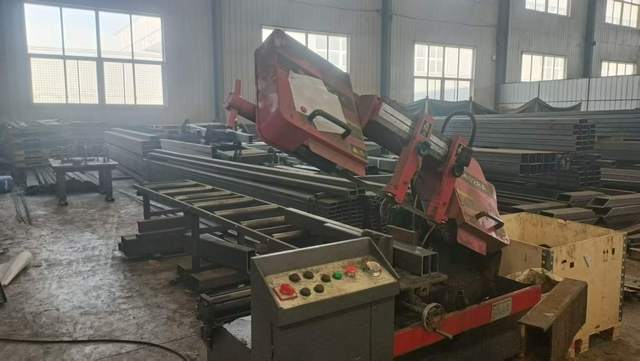
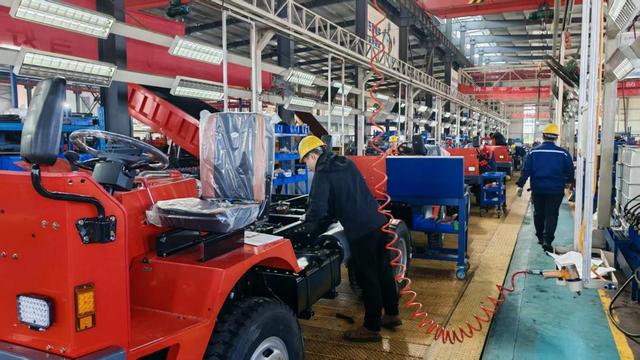
Hangzhou Progan Lift Co., Ltd. is a professional manufacturer specializing in industrial lifting equipment, dedicated to providing safe, reliable, and efficient vertical access solutions for global customers. With years of experience in the lifting industry, the company focuses on the design, production, and supply of a wide range of equipment, including scissor lifts, cargo lifts, and warehouse order pickers, widely used in logistics centers, warehouses, factories, construction sites, and commercial facilities.
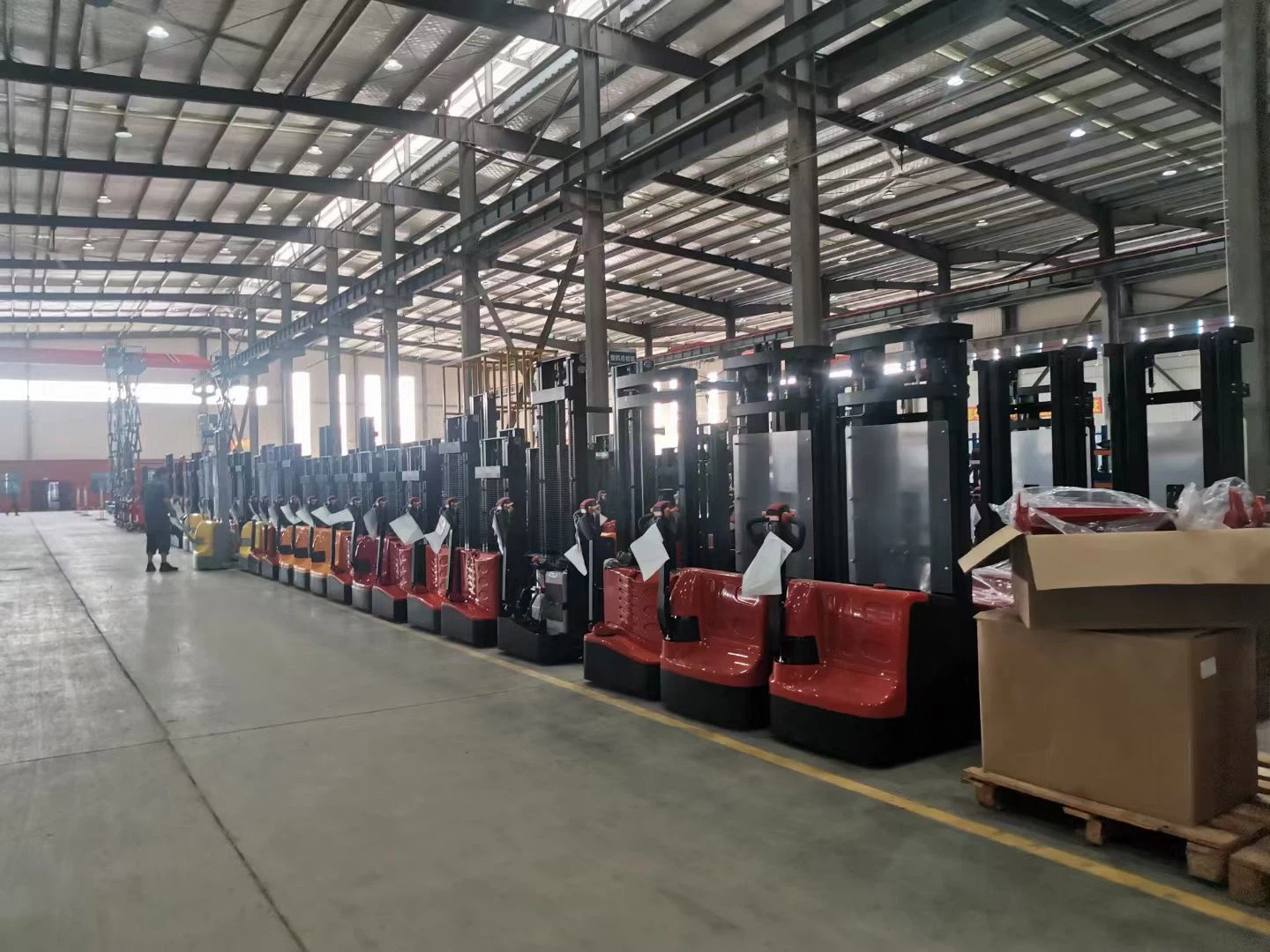
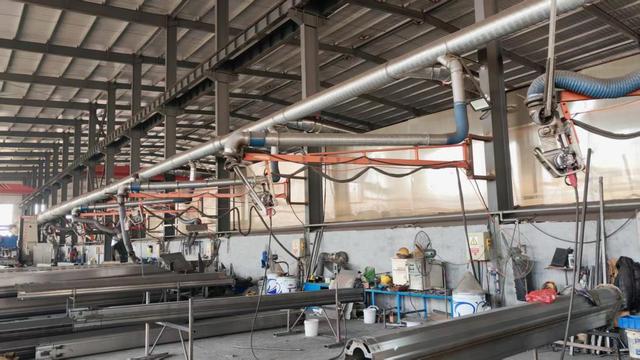
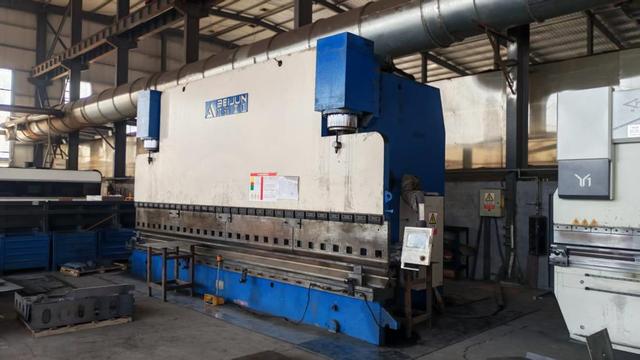
Hangzhou Progan Lift Co., Ltd. emphasizes advanced engineering, strict quality control, and continuous innovation to ensure all products meet international safety and performance standards. The company integrates hydraulic, electric, and intelligent control technologies to enhance operational stability, lifting efficiency, and user safety. Each unit is designed with durability and ease of maintenance in mind, helping customers reduce downtime and improve productivity.
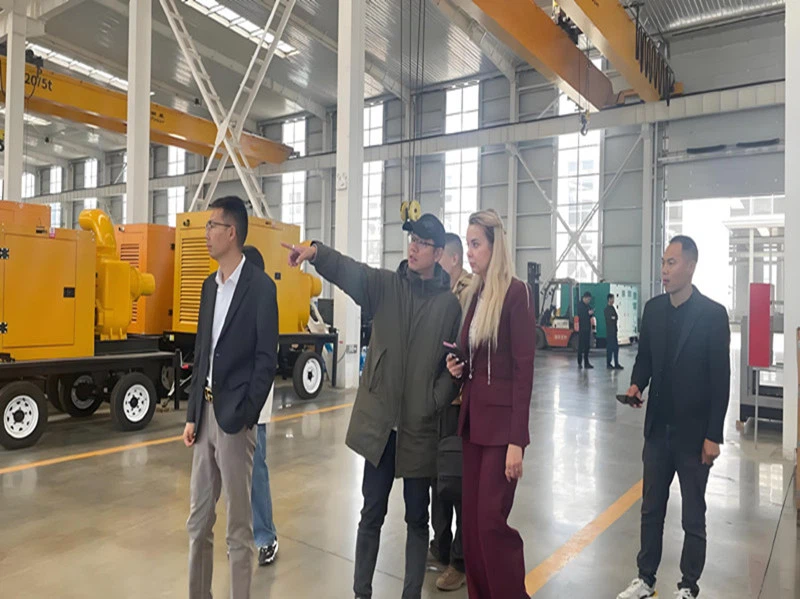
Committed to customer satisfaction, Hangzhou Progan Lift Co., Ltd. provides customized solutions tailored to different working environments and operational requirements. With a professional technical team and responsive service system, the company has built long-term partnerships with clients across global markets, delivering dependable lifting solutions and contributing to smarter, safer, and more efficient material handling operations.
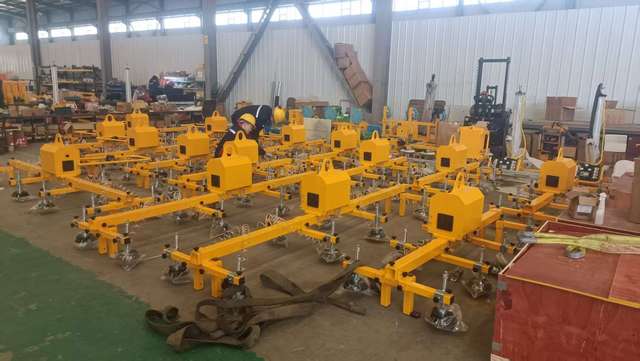


This is the wider catalogue from which Novosibirsk orders are assembled — from compact 3 m scissor lifts for retail fit-out to a 30.5 m truck-mounted boom for municipal and utility fleets.
Direct answers to the questions international buyers raise most often when sourcing aerial work platforms for Novosibirsk and the Siberian Federal District.
Not always. Standard hydraulic fluid thickens below −20 °C, battery capacity drops sharply and door seals stiffen. For Novosibirsk deployments we recommend a cold-climate package: low-viscosity hydraulic oil rated to −40 °C, an insulated and optionally heated battery enclosure, cold-flexible hoses and seals, and an operator briefing on extended warm-up procedures. Indoor heated facilities may only require the battery specification to be upgraded.
Self-propelled electric scissor lifts between 6 m and 14 m are the standard answer for racking and sprinkler maintenance, because they offer a stable platform, low ground pressure and zero emissions indoors. Where aisles are very narrow, a compact 3 m to 4.8 m unit or a vertical mast lift keeps travel clearances manageable. For very high-bay buildings, a 16 m self-propelled platform provides the reach without a boom’s outreach footprint.
Typical requirements include commercial invoice, packing list, HS classification for lifting and handling machinery, certificate of origin, transport documents and the technical file for the machine. For operation inside the Eurasian Economic Union, EAC conformity documentation, a Russian-language operation manual and technical passport, plus maintenance and inspection records, are normally prepared. We assemble this documentation package as part of every Novosibirsk-bound shipment.
Production of standard models takes roughly 25 to 45 days depending on configuration and order volume. Rail freight through the Trans-Siberian corridor typically adds 18 to 25 days to Novosibirsk, with alternative routings via Vladivostok or consolidated truck shipments. Ordering cold-climate configurations in the second or third quarter avoids the autumn congestion that precedes the Siberian winter season.
We structure Novosibirsk orders around a recommended initial spare-parts kit — hydraulic hoses, seals, wheel assemblies, chargers, controllers and emergency-stop components — shipped together with the platforms. Technical support is delivered remotely through wiring diagrams, fault-code diagnostics and video guidance, with shipment of additional parts within days when required.
Yes. Deck extensions, wider platforms, non-marking or non-slip tyres, custom paint, additional safety interlocks, extra charging infrastructure and rating changes are all configurable. Customised 350 kg and 500 kg platforms are commonly ordered where technicians need to carry tools, fixtures or replacement components to working height.
In most cases, yes. Direct factory supply removes distributor margins, and the depth of China’s lifting-equipment cluster means configuration changes are inexpensive and fast. The total cost of ownership comparison should include freight, customs, certification, spare-parts stocking, energy consumption and expected service life — factors that favour suppliers with strong documentation and a genuine cold-climate option list.
Yes. For dealerships and rental operators we support mixed-model container loading, private-label options, marketing specification sheets, technical training material and phased delivery plans that align fleet growth with local demand. Fleet-standardising on a small number of platform families reduces spare-parts complexity and simplifies operator training.
Send us your working height, rated load, indoor or outdoor duty, winter conditions and required delivery window. Our engineering team will return a configured platform specification, cold-climate option list, compliance document checklist and a delivery plan to Novosibirsk.
Send Inquiry Now Progan Lift